 Custer
 Windows Near California Creek Take a Different Kind of Beating
California Creek sits close enough to the water that homes here deal with a combination most inland Whatcom County properties never see: salt-laden air moving off the bay, wind-driven rain that hits window assemblies at an angle instead of straight down, and a moss and mildew season that can stretch eight months or more out of the year. None of these things individually is unusual for Western Washington. Together, on the same house, year after year, they wear out window installations faster than a standard product-and-labor job is built to handle.
This page is specifically about window installation for homes in and around California Creek — not a general overview of what windows we sell. If you're comparing quotes or trying to understand why a "just swap the window" job sometimes turns into something more involved, this is written for you.
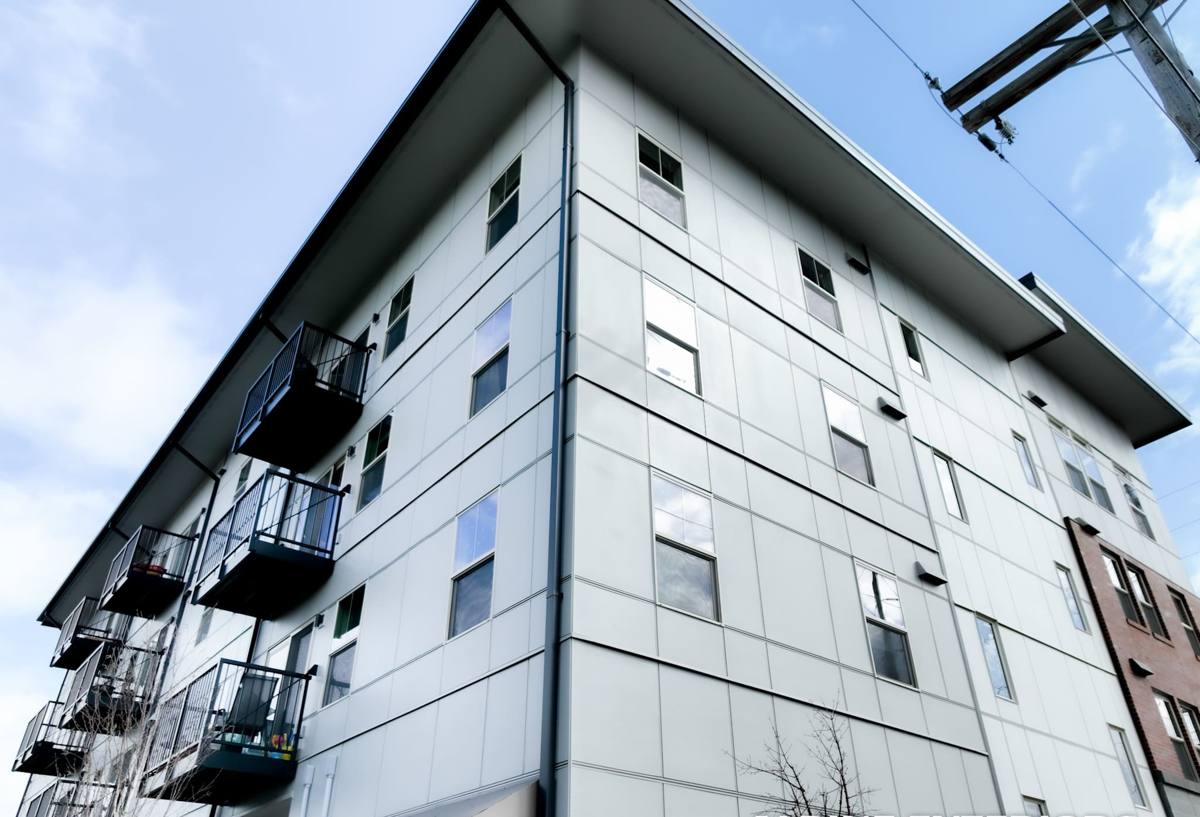
What Salt Air, Driving Rain, and Moss Actually Do to a Window Installation
Salt Air
Airborne salt is corrosive to exposed metal — screws, hinges, cranks, and especially lower-quality flashing or fasteners that weren't rated for coastal exposure. It also degrades certain sealants and finishes faster than the manufacturer's stated service life assumes, because that life expectancy is usually tested for general climate conditions, not a bay-adjacent property.
Driving Rain
Wind-driven rain doesn't just fall on a window, it gets pushed sideways and upward into gaps, laps, and seams that a straight-down rainstorm would never reach. If the flashing and sill pan underneath the window weren't detailed for that kind of pressure, water finds its way behind the trim and into the wall assembly — often with no visible sign until the sheathing or framing underneath is already compromised.
Moss and Sustained Moisture
A long moss season means long stretches where trim, sills, and the wood or composite surfaces around a window rarely get to fully dry out. Moss and algae hold moisture against the surface, which accelerates rot in untreated wood trim and can break down caulk and sealant joints from the outside in, well before they'd fail on a drier property a few miles inland.
Signs a California Creek Home's Windows Need Attention
- Soft or discolored trim or sill material around the window frame
- Persistent green or black staining on the sill or lower corners that comes back soon after cleaning
- Drafts or a noticeable temperature difference near the window even when it's fully latched
- Fogging or moisture between panes on double- or triple-glazed units (a sign the seal has failed)
- Paint or finish bubbling, peeling, or separating near the frame edges
- Difficulty opening, closing, or locking a window that used to operate smoothly
- Visible gaps between the window frame and the siding or trim
Any one of these on its own might be minor. Two or three together, especially on the side of the house that faces prevailing wind and weather, usually means water has already been getting past the exterior seal for a while.
What a Correct Window Installation Involves in This Climate
Setting a new window into an opening is the visible part of the job. The parts that determine whether that window is still performing in ten or fifteen years happen before and around it.
Sill Pan and Flashing
A sloped sill pan under the window, tied into properly lapped flashing above and around the opening, is what actually manages water that reaches the wall — not the caulk bead on the outside. In a driving-rain environment like this one, we treat sill pan and flashing detail as non-negotiable, not an upsell.
Weather-Resistive Barrier Integration
The house wrap or weather-resistive barrier around the opening needs to be cut, lapped, and taped correctly so water is shed down and out rather than directed into the rough opening. This is easy to get wrong quickly and hard to inspect once trim is back on, which is part of why we photograph this stage before it's covered.
Fasteners and Hardware Rated for Coastal Exposure
Given the salt air here, we pay attention to fastener and hardware material rather than defaulting to whatever ships in the box. Corrosion-resistant screws and hardware cost a little more up front and matter a lot more twenty feet from open water than they do further inland.
Sealing and Insulation
Low-expansion foam or backer rod and sealant around the frame, sized and applied correctly, closes air and bulk-water gaps without bowing the frame or blocking the weep path the window needs to drain condensation.
Trim and Finish Work
Exterior trim gets primed or finished on all sides, including cut ends, before installation — a step that's easy to skip and one of the most common reasons trim rots from the inside out in a wet, mossy climate.
Full-Frame Replacement vs. Insert Replacement
Which approach makes sense depends on the condition of the existing frame and the surrounding wall, not just the age of the window.
| Factor | Insert (Pocket) Replacement | Full-Frame Replacement |
|---|---|---|
| Existing frame condition | Only appropriate when the old frame is sound and dry | Required when there's rot, water damage, or a failing sill |
| Access to flashing and sill pan | Limited — relies on the existing flashing being intact | Full access to correct or upgrade flashing and sill pan |
| Labor and disruption | Faster, less disturbance to siding and interior trim | More involved; siding and trim are opened up |
| Best fit for this area | Interior-facing or sheltered openings with no history of leaks | Windows exposed to prevailing wind and rain, or any opening with signs of past water intrusion |
On exposed elevations near the water, we lean toward full-frame replacement more often than we would inland, simply because it's the only way to actually inspect and correct the flashing and sill pan rather than build a new window on top of an unknown.
Frame Material Considerations for This Climate
We install vinyl, fiberglass, and clad-frame window products, and the right choice depends on the home, the budget, and the exposure of the specific opening. In a salt-air, high-moisture environment, we steer clients away from bare wood exterior frames on exposed elevations — not because wood windows are a bad product, but because the maintenance burden of keeping exterior wood finished and sealed against this much moisture is real, and a missed maintenance cycle here has consequences faster than it would in a drier climate. Vinyl and fiberglass frames don't need repainting to stay protected and generally hold up better against sustained damp and salt exposure with less upkeep. If the look of wood is important on the interior side, a clad frame (composite or vinyl exterior, wood interior) is often the better trade-off than an all-wood exterior frame in this location.
How We Approach a Job at California Creek
- On-site assessment of the existing window, frame, sill, and surrounding siding or trim — including any staining, soft spots, or drafts you've already noticed
- Honest recommendation on insert vs. full-frame replacement based on what we actually find, not a default answer
- Written estimate covering material, labor, and any flashing or sheathing repair the opening needs
- Removal of the old unit and inspection of the rough opening before anything new goes in
- Correction of flashing, sill pan, and weather-resistive barrier as needed — this is where most of the long-term performance is decided
- Installation, sealing, and finish trim work using fasteners and materials suited to coastal exposure
- Final walkthrough and operation check on every window before we consider the job done
Why It Matters That We Already Work This Neighborhood
Window installation isn't a one-size-fits-all trade, and a crew that mostly works drier, inland jobs may not think twice about fastener corrosion resistance or sill pan detailing that would be optional elsewhere but isn't optional this close to open water. Working regularly in and around Custer and the California Creek area means we already know which elevations tend to take the worst of the wind-driven rain, how fast moss and staining show back up on trim here, and what corners genuinely can't be cut without paying for it in five years instead of fifteen. That's not a marketing claim — it's just what happens when a crew keeps coming back to the same climate conditions job after job.
What Affects the Cost of a Window Installation Here
| Factor | Why It Matters |
|---|---|
| Insert vs. full-frame approach | Full-frame costs more but is often required once rot or flashing damage is present |
| Frame material | Vinyl, fiberglass, and clad options carry different material costs and maintenance profiles |
| Number and size of openings | Larger and specialty-shaped windows cost more in material and labor |
| Condition of existing sheathing or framing | Hidden water damage found during removal adds repair scope |
| Exposure of the specific elevation | Openings facing prevailing wind and rain may warrant extra flashing detail |
We don't quote sight-unseen for exactly this reason — what looks like a simple swap can turn into a sheathing repair once the old trim comes off, and we'd rather tell you that up front than surprise you mid-job.
If you're noticing drafts, staining, or a window that's just not performing the way it used to, we're happy to come take a look. Use the form below to request a free, no-pressure estimate for your California Creek property.