 Custer
 A Question We Get Often
When homeowners in Custer and around Whatcom County start pricing out new siding, some come to us with a quote in hand for Cemplank fiber cement from another contractor or a building supply yard. It's a fair product to ask about — it's fiber cement, it's not vinyl, and on paper it looks like a reasonable alternative to James Hardie at a lower price point. We get asked why we don't offer it. This page is our honest answer.
We're not going to tell you Cemplank is junk, because that wouldn't be true or fair. Fiber cement as a category — cellulose fiber, sand, and Portland cement pressed into board — is a genuinely good exterior material regardless of brand. What we can tell you is why, after years of installing siding in this climate, we made James Hardie our only fiber cement line and stopped bidding jobs with Cemplank, even when a homeowner's budget made it tempting.
What Cemplank Is
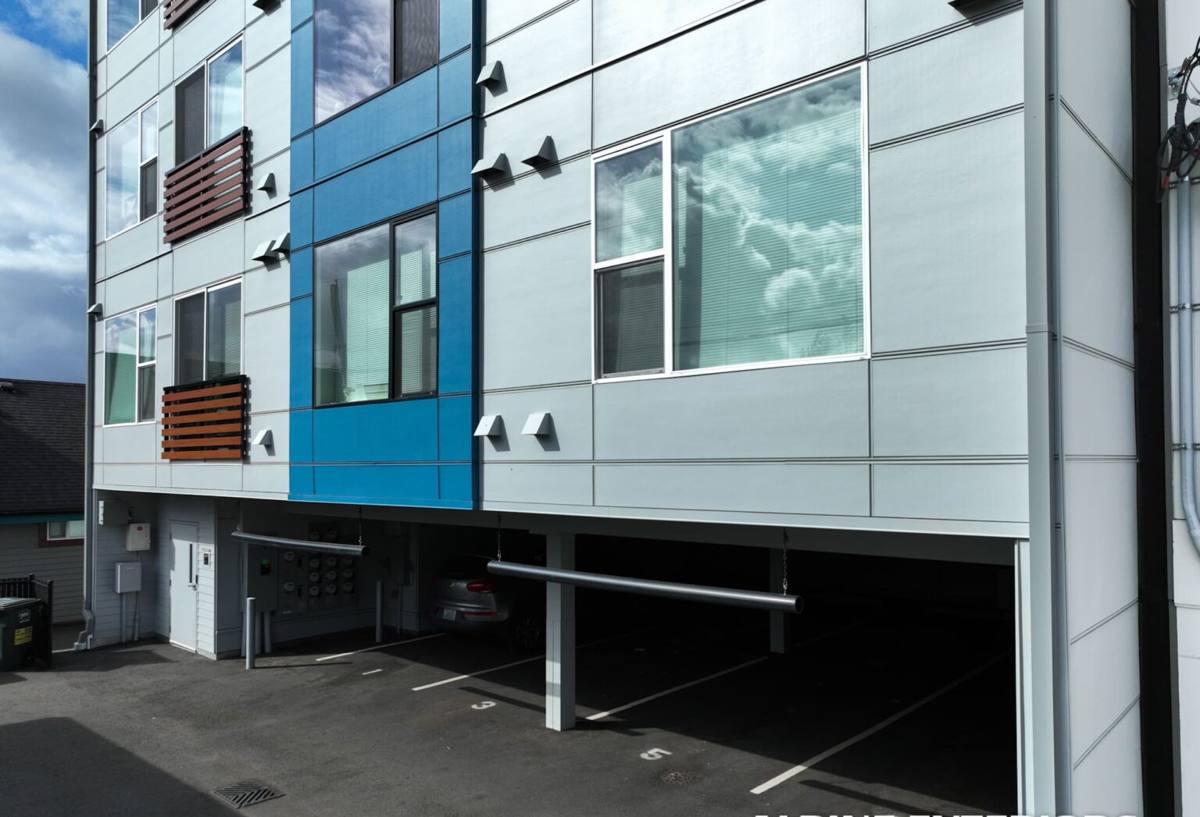
Cemplank is a fiber cement siding product that has moved through the market as a value-tier alternative to the bigger-name brands. It's manufactured to be a lower-cost entry into fiber cement, and it's sold through lumberyards and building supply distributors rather than through a dedicated national dealer and installer network. The core material chemistry — fiber-reinforced cement board — isn't fundamentally different from what other manufacturers use. Where it diverges is in finish options, product line depth, warranty structure, and the support a contractor gets when something needs to be sorted out five or ten years after installation.
Why It's Priced the Way It Is
Lower material cost usually comes from somewhere specific: a narrower range of engineered product lines, less investment in regional climate-specific formulations, and finishes that lean on field-applied paint rather than a factory-cured finish. None of that makes it a bad board. It makes it a board built to compete on price, and price competition in building materials almost always means trade-offs in the details that don't show up until years later.
The Climate We're Actually Building For
Custer sits close to the water — Birch Bay, Semiahmoo Bay, and the Strait of Georgia are all within a few miles — which means homes here take on salt-laden air on top of the standard Pacific Northwest wet-season load. Add Whatcom County's driving rain, which comes in sideways off the water often enough that vertical rain screens and proper flashing details matter more here than in drier inland climates, and a long moss and algae season that runs from fall through spring on north- and west-facing walls. Any siding product installed on a Custer home is being asked to hold a factory finish, resist moisture intrusion at every seam, and shrug off organic growth for decades, not just survive a warranty inspection.
This is the lens we evaluate every siding product through, and it's the lens that ultimately ruled Cemplank out for us as a standard offering.
Where Cemplank Falls Short of Our Standard
Factory Finish vs. Field-Applied Paint
James Hardie's ColorPlus finish is baked on at the factory in a controlled environment, with multiple coats cured before the board ever reaches a jobsite. Cemplank has historically leaned more heavily on primed boards that get painted after installation, on-site, in whatever weather window a crew can find. In a climate like ours, a field-applied topcoat has to fully cure without rain contact, and Whatcom County doesn't hand out long dry windows on demand. A finish that goes on in marginal conditions is a finish that's more likely to chalk, fade unevenly, or need repainting sooner than a factory-cured one.
Warranty Structure
A siding warranty is only as good as the paper trail and the manufacturer standing behind it. Hardie's warranty on ColorPlus products covers both the substrate and the finish as a single system, and it's backed by a manufacturer with a long track record of honoring claims through a national network. Cemplank's warranty coverage has been structured differently across product runs, and because it moves through building supply distribution rather than a dedicated contractor network, getting a warranty claim actually resolved can mean more legwork for the homeowner, not less.
Product Line Depth for Regional Climates
Hardie engineers specific product lines for specific climate zones — HZ5 for our region accounts for moisture cycling and freeze-thaw in a way that a one-size-fits-most board doesn't. Cemplank's lineup hasn't offered that same regional engineering depth, which matters more on a property fifty yards from saltwater than it would somewhere dry and inland.
Installation Specification and Support
Hardie publishes detailed, climate-specific installation guides and backs contractors with technical support when a detail is unusual — a tricky window return, a rain screen assembly, a transition at a roofline. That documentation and support directly affects how well a house performs in twenty years, because most fiber cement failures trace back to installation error, not the board itself. Cemplank's technical backing has been thinner, which puts more of the burden on the installing crew to get every detail right with less manufacturer support if something's ambiguous.
Side-by-Side: What the Difference Looks Like
| Factor | James Hardie | Cemplank |
|---|---|---|
| Finish | Factory-applied ColorPlus, cured before install | Often primed only; field-painted on many runs |
| Climate-specific engineering | HZ product lines by region | Less regional differentiation historically |
| Distribution model | Vetted contractor network | Building supply / lumberyard channels |
| Warranty backing | Long-standing national claims process | Varies by product run and retailer |
| Upfront material cost | Higher | Lower |
| Long-term maintenance cost | Lower, if installed correctly | Depends heavily on finish upkeep |
What We Install Instead, and Why
We install James Hardie fiber cement exclusively — no vinyl, no LP SmartSide, no Cemplank or Allura, no primed spruce or cedar. That's not a marketing position; it's the outcome of comparing what's available against what actually holds up on homes exposed to salt air, driving rain, and a moss season that doesn't quit until late spring.
ColorPlus Technology
The factory-baked finish means the color and the board cure together before installation, which reduces the chance of peeling, chalking, or uneven fading that field-applied paint is more prone to in a wet climate.
HZ5 Engineering
Hardie's HZ5 formulation is built for regions with our combination of moisture and freeze-thaw cycling, which is a meaningfully different engineering target than a generic board sold nationwide.
Non-Combustible Core
Fiber cement in general doesn't burn the way wood or vinyl products do, and that's true across brands — it's one thing Hardie and Cemplank share, and one reason we'd never push a homeowner back toward wood siding or vinyl over either.
Warranty You Can Actually Use
A transferable, manufacturer-backed warranty only matters if the claims process works. Hardie's track record here is a big part of why we can stand behind a job years after we've finished it.
What This Means for Your Project
If your priority is the lowest possible material cost and you're comfortable managing a field-painted finish's maintenance schedule yourself, Cemplank isn't a scam or a defective product — it's a legitimate budget-tier choice, and other contractors in this area do install it. We simply won't put our name on it, because we've built our business around one standard: a siding system we can warranty with confidence for a house that has to survive salt air and sideways rain for decades, not just look good on installation day.
That standard costs more upfront. It also means fewer callbacks, less repainting, and a warranty claims process that actually goes somewhere if it's ever needed.
Questions Worth Asking Any Siding Contractor
- Is the finish factory-cured or will it need to be painted on-site after installation?
- What does the warranty actually cover, and who processes a claim if there's a problem?
- Is the product engineered for this specific climate zone, or is it a general nationwide formulation?
- What's the manufacturer's technical support like for unusual installation details — window returns, rain screens, roofline transitions?
- How is the product distributed — through a vetted contractor network or general building supply?
- What's the realistic maintenance schedule over the first ten years, not just the first one?
Cost Factors Worth Weighing
| Consideration | Why It Matters in Whatcom County |
|---|---|
| Repainting frequency | Driving rain and salt air accelerate finish wear on field-painted boards |
| Moss and algae resistance | Long wet season means north/west walls need a finish that resists organic growth |
| Warranty claim friction | A harder claims process can offset any upfront savings if something fails |
| Resale perception | Buyers and inspectors near the coast increasingly recognize Hardie by name |
Get an Honest Estimate
If you're weighing siding options for a home in Custer or anywhere in Whatcom County, we're glad to walk the property with you and give you a straightforward estimate — no pressure, no upsell, just what we'd actually recommend for your house and why. Fill out the form below and we'll get back to you.