 Custer
 What LP SmartSide Actually Is
LP SmartSide is an engineered wood siding product. At its core it's strand-based wood — wood fibers bonded with resin under heat and pressure, similar in concept to OSB (oriented strand board), then treated with a zinc borate preservative and finished with a factory primer or coating. It's a real improvement over the old hardboard sidings from decades ago, and LP has put real engineering into the substrate and the borate treatment that resists fungal decay and insects.
But it's still wood. Wood strands, wood resin, wood behavior. That single fact drives almost everything else in this article, and it's the reason we made a company-wide decision years ago to install only James Hardie fiber cement siding on the homes we work on.
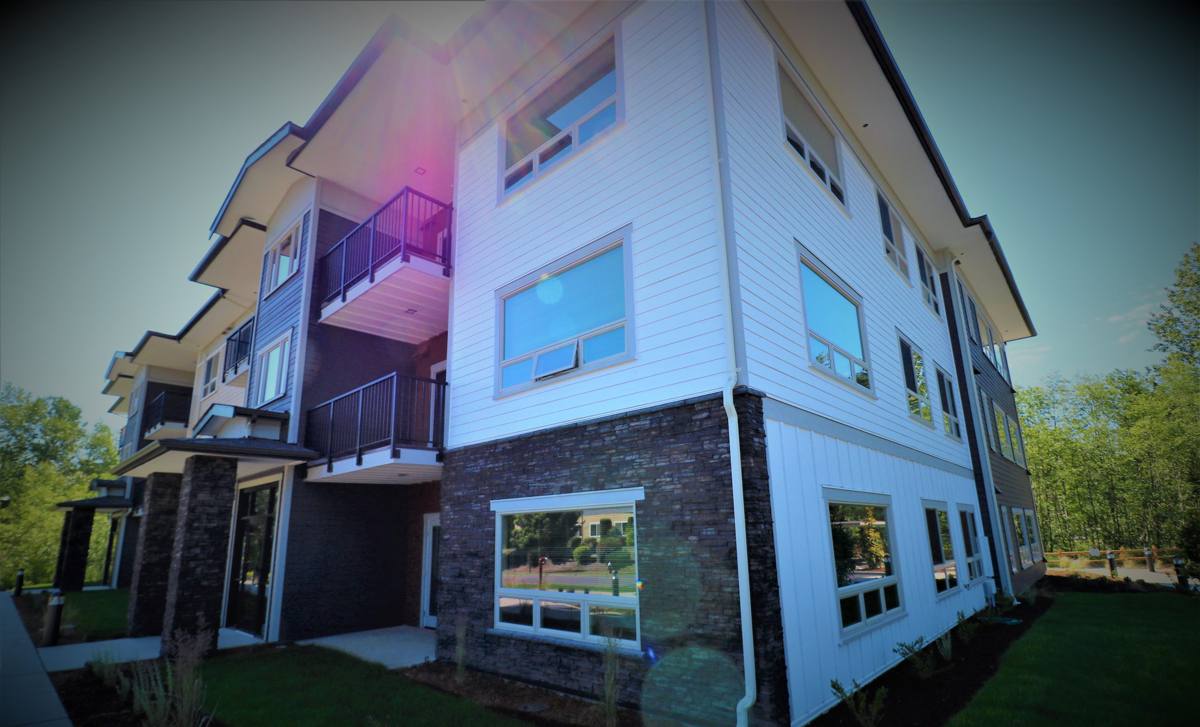
Why Whatcom County's Climate Is a Tough Test for Any Wood-Based Siding
Custer sits close enough to Semiahmoo Bay and the Strait of Georgia that salt-laden air is a routine part of the weather here, not an occasional event. Add in the driving rain that comes off the water through fall and winter, plus a moss season that can stretch for months on north-facing walls and anything that stays shaded and damp, and you've got a climate that's genuinely hard on exterior building materials.
None of that is a problem exclusive to LP SmartSide — every siding product in Whatcom County has to deal with it. The difference is what happens when moisture finds a way in. Fiber cement is a mineral-based product; it doesn't swell, rot, or feed fungal growth the way wood substrates can. Engineered wood, even well-treated engineered wood, is still organic material at its core, and organic material has a different relationship with sustained moisture exposure than cement, sand, and cellulose fiber do.
Moss Season Specifically
Moss doesn't just sit on a surface — it holds moisture against whatever it's growing on for extended periods, especially on the shaded, north- and east-facing walls that are common on lots around Custer with mature tree cover. On a wood-based product, that prolonged damp contact is exactly the condition the borate treatment and coating system are designed to fight off. It's a fight that has to be won every single year, indefinitely, without a gap in maintenance.
The Installation Sensitivity Problem
LP SmartSide's own installation instructions require field-applied caulk or sealant at cut ends, panel joints, and any place the factory finish has been penetrated or exposed — nail heads, trim intersections, corner boards, around windows and doors. That's not optional detail work; it's a warranty requirement. Skip it, do it inconsistently, or let it fail over time, and you've created a direct path for water into an organic substrate.
We don't think that's a reasonable amount of risk to build into a 30-year exterior product. A siding system's long-term performance shouldn't depend on every field cut being sealed correctly, forever, by whoever eventually does maintenance or repairs on the house after the original installer is long gone. Fiber cement isn't immune to bad installation either — but the consequence of a missed seal on cement board is nowhere near as severe as it is on a wood strand product, because the material underneath doesn't absorb and swell the same way.
Moisture Behavior: Where Engineered Wood and Fiber Cement Diverge
This is really the heart of it. When water gets past the surface of engineered wood siding, the strand substrate can absorb it, swell, and eventually delaminate or soften from the inside out — often before there's any visible sign on the painted face. By the time you see bubbling, buckling, or soft spots, the damage has usually been progressing for a while underneath.
Fiber cement doesn't have that failure mode. It can get wet and dry out without swelling or losing structural integrity, because it isn't wood fiber suspended in resin — it's cement, sand, and cellulose fiber cured into a dense, stable board. That's a meaningful difference in a climate like ours, where the siding is going to get wet, repeatedly, for months at a time, every single year.
Maintenance Burden Over the Life of the Siding
LP SmartSide is a paint-grade product. The factory finish is good, but it's still a coating on top of wood, and coatings on wood siding need to be inspected, touched up, and eventually fully repainted on a cycle — typically somewhere in the 7-10 year range depending on exposure, with south- and west-facing walls and anything getting direct salt spray needing attention sooner.
James Hardie's ColorPlus finish is baked on in a factory process and is warranted separately from the substrate, with a much longer expected service life before repainting is needed. For a homeowner in Custer, that translates into fewer trips up a ladder, fewer repaint contracts, and less exposure to the exact failure point — coating breach — that lets moisture start working on a wood-based substrate.
Fire and Combustibility Considerations
Wildfire risk gets most of the attention east of the Cascades, but combustibility is a legitimate consideration anywhere, including in wildland-urban interface areas around Whatcom County and simply as a matter of general home safety. Fiber cement is non-combustible. Engineered wood siding, even with the resin and borate treatment, is still a wood-based product and carries a different fire performance profile than a cement-based board. For us, non-combustibility is one more point in fiber cement's favor that isn't about aesthetics or maintenance — it's about the material itself.
Warranty Structure: A Direct Comparison
Warranty terms shift over time on both product lines, so homeowners should always confirm current details directly with the manufacturer before making a decision. But structurally, here's how the two products compare on the factors that matter most:
| Factor | LP SmartSide (engineered wood) | James Hardie fiber cement |
|---|---|---|
| Base material | Wood strand substrate, resin-bonded | Cement, sand, cellulose fiber |
| Moisture response | Can absorb and swell if coating/sealant is breached | Does not swell or delaminate from moisture exposure |
| Factory finish | Primed or coated; repaint cycle required | ColorPlus factory finish, longer repaint interval |
| Field sealing requirement | Caulk/seal required at all cuts and joints for warranty | Standard joint treatment, less moisture-critical if missed |
| Combustibility | Wood-based product | Non-combustible |
| Typical maintenance cycle | Inspect coating annually; repaint roughly every 7-10 years | Periodic inspection; repaint interval considerably longer |
Why We Standardized on James Hardie Instead
We're not saying LP SmartSide is a scam or that every installation fails — it's a legitimate product that plenty of contractors install successfully. Our decision isn't about attacking the product; it's about what we're willing to put our name and our workmanship warranty behind, on homes that are going to face a lot of wet weather and salt air for the next thirty-plus years.
James Hardie's HZ5 product line is engineered specifically for climates like ours — freeze-thaw cycling, sustained moisture, and coastal exposure. Combined with a non-combustible core, a factory-baked ColorPlus finish, and a strong transferable warranty, it lets us install one siding system, install it correctly to spec every time, and stand behind it without asking a homeowner to take on an ongoing maintenance obligation that has to be executed perfectly to avoid moisture problems.
What This Means for You as a Homeowner
- Ask any siding contractor exactly what substrate their product is built from, not just the brand name
- Ask what the manufacturer's installation guide requires at cuts, joints, and penetrations — and whether that's a warranty condition
- Ask what the realistic repaint or recoat cycle is, and get it in writing if possible
- Ask whether the product is rated non-combustible or is a wood-based material
- Ask how the product has performed specifically in coastal, high-moisture climates like Whatcom County — not just in general marketing claims
- Get the manufacturer's current warranty document directly, not a summary, before signing a contract
The Bottom Line
Every siding product involves trade-offs, and LP SmartSide has real strengths — it's lighter to handle than fiber cement, generally less expensive up front, and a reasonable choice in the right application with rigorous maintenance behind it. Our decision to only install James Hardie isn't a judgment on every home that has SmartSide on it today. It's a professional standard we set for the work we do, based on what holds up best against Custer's salt air, driving rain, and long stretch of damp, mossy weather with the least amount of ongoing risk to the homeowner.
If you're weighing siding options for a home in Custer or anywhere in Whatcom County, we're happy to walk your property, look at your exposure, and talk through what we'd actually recommend and why. Reach out for a free, no-pressure estimate using the form below.