 Custer
 Windows in California Creek Take a Different Kind of Beating
California Creek sits close enough to the water that homes here deal with a mix most inland Whatcom County properties don't: salt-laden air moving in off the coast, driving rain that hits siding and window frames sideways rather than straight down, and a moss season that seems to stretch longer every year. None of that is dramatic on its own. But year after year, it adds up on the parts of a house that are supposed to keep water out and warmth in — and windows are usually the first place it shows.
A window that was installed correctly fifteen or twenty years ago in a drier part of the state might still be doing fine today. The same window, installed the same way, in a home a few blocks from the creek or the shoreline, is often already failing at the seals, the flashing, or the frame itself. That's not a knock on the original installer — it's just what this microclimate does to building materials over time. Any window replacement plan for this neighborhood has to start from that reality, not from a generic checklist.
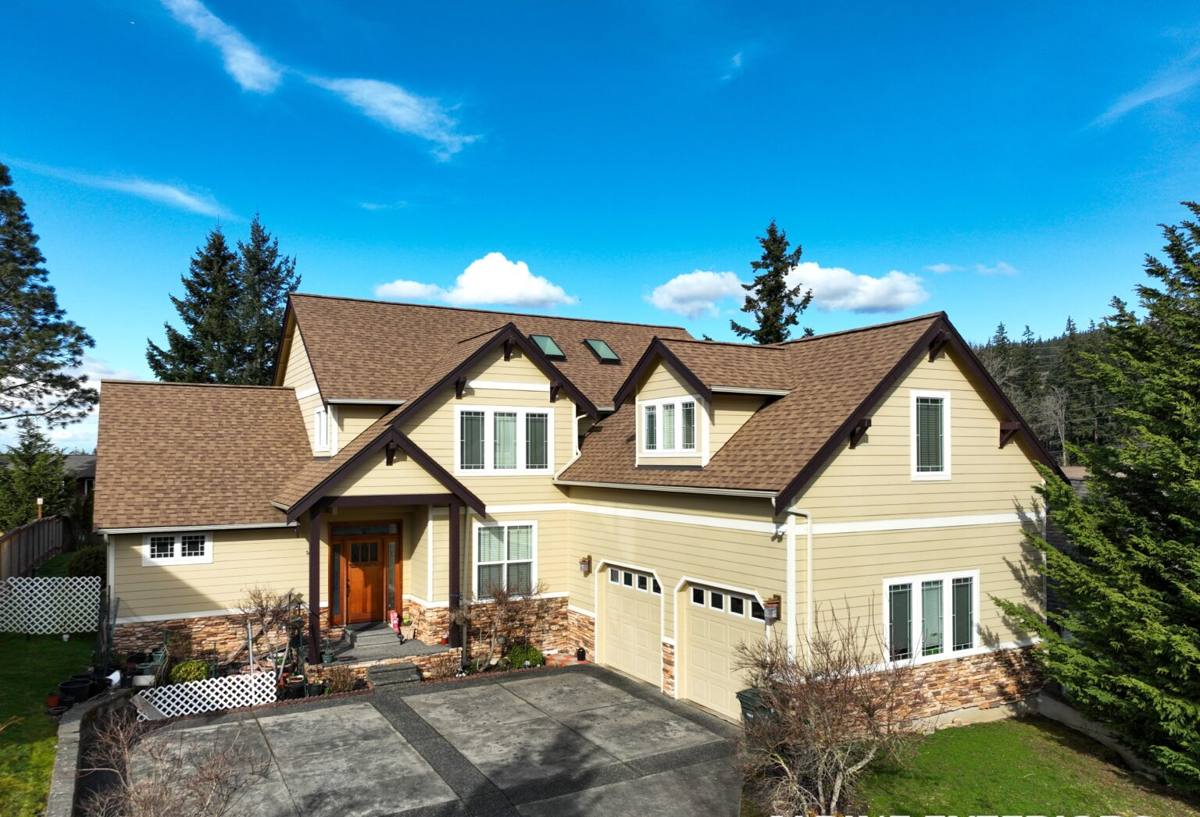
What Salt Air, Rain, and Moss Actually Do to a Window
Salt Air
Salt in the air settles on metal hardware, fasteners, and window frame components, and it accelerates corrosion in ways plain moisture doesn't. Locks get stiff, hinges pit, and aluminum or lower-grade vinyl components can degrade faster than their warranty timelines suggest. This is why hardware quality and frame material matter more here than they would forty miles inland.
Driving Rain
Wind-driven rain doesn't just sit against a window — it gets pushed up and under trim, into nail fins, and behind flashing that was cut a little short or lapped the wrong direction. A window can look perfectly fine from the curb and still be taking on water behind the wall every time a storm blows through from the water side of the property.
Moss and Sustained Dampness
Moss doesn't grow on windows themselves as much as it grows on the trim, sills, and siding around them — and where it grows, it holds moisture against the wood or fiber cement for weeks at a time. That constant dampness is what actually causes rot, not a single rainstorm. Long moss seasons mean long windows of opportunity for water to work into anything that isn't properly sealed or sloped to shed it.
Signs a California Creek Home Needs Window Replacement
- Fogging or a milky haze between the panes of double-pane glass (a sign the seal has failed)
- Sashes that stick, drag, or won't stay up without a prop
- Soft, spongy, or discolored trim and sill wood around the frame
- Visible moss or persistent green staining on the sill, trim, or nearby siding
- A noticeable draft or cold spot near the window even with it fully closed
- Condensation forming on the inside of the glass regularly, especially in winter
- Corroded or hard-to-operate locks and cranks
- Paint or finish peeling specifically around the window opening, not the wall generally
Any one of these can be a minor fix. Several of them together, especially on the weather-facing side of the house, usually mean the window and its surrounding flashing have reached the point where patching isn't worth it anymore.
What a Correct Replacement Actually Involves
Swapping in a new window is the visible part of the job, but it's not the part that determines whether the window lasts. In a coastal, high-rain environment like this one, the work that happens before and around the new unit matters more than the unit itself.
Removal and Inspection
Once the old window is out, we check the rough opening for hidden rot or water staining in the framing. This is often the first real look anyone's had at that wall cavity in years, and it's the one chance to catch a problem before it's sealed back up behind a new window for another decade or two.
Flashing and Water Management
Proper flashing — installed in the right sequence, lapped so water sheds outward and downward, tied into the house wrap correctly — is what actually keeps rain out, not the caulk bead around the trim. This is the step that gets rushed or skipped on lower-quality installs, and it's the single biggest factor in whether a window stays dry through a Whatcom County winter.
Sealing and Insulation
The gap between the window frame and the rough opening needs to be sealed and insulated correctly — not overpacked with expanding foam, which can bow the frame, and not left with gaps that let air and moisture through. Getting this right affects both energy performance and long-term durability.
Trim and Finish
Exterior trim needs to be sealed and finished in a way that sheds water and resists the kind of sustained dampness that feeds moss growth. This is also where paintable caulk and back-priming cut edges make a real difference over time.
Choosing the Right Window for This Microclimate
There's no single "best" window material for every home — it depends on budget, the home's style, and how exposed the wall is to wind and rain. Here's how the common options generally hold up in a California Creek setting:
| Frame Material | Coastal / Rain Performance | Maintenance | Typical Trade-offs |
|---|---|---|---|
| Vinyl | Good — won't rot or corrode | Low | Budget-friendly; fewer color/style options at the low end |
| Fiberglass | Very good — stable in temperature swings, resists warping | Low | Higher upfront cost; excellent long-term value |
| Wood-clad (vinyl or aluminum exterior) | Good if cladding and flashing are done right | Moderate | Attractive interior wood look; exterior cladding does the weather work |
| Aluminum | Weaker here — prone to corrosion and thermal transfer near salt air | Higher | We generally steer clients away from this for exposed, water-facing walls |
For most California Creek homes, vinyl or fiberglass frames with quality hardware are the practical choice — they hold up to the salt and damp without the maintenance burden that wood or bare aluminum bring in this environment. Where a home's style calls for a wood look, cladding it properly is the way to get that appearance without taking on wood's exposure to rot.
What Drives the Cost
| Factor | Why It Matters |
|---|---|
| Number and size of windows | More openings and larger units mean more material and labor |
| Frame material | Vinyl is typically the most affordable; fiberglass and clad-wood cost more upfront |
| Condition of the rough opening | Hidden rot or water damage found during removal adds repair work |
| Wall exposure | Water-facing walls often need more careful flashing and detailing |
| Glass package | Upgraded low-E coatings or gas fills add cost but improve comfort and efficiency |
| Trim and finish work | Matching existing trim profiles or repainting adds labor |
We'd rather give you an honest range after actually looking at your windows than a number over the phone that doesn't hold up once we're on site. A free estimate lets us flag anything — like the rough opening condition — that could affect the price before work starts, not after.
How Our Process Works
- Walkthrough and assessment — we look at each window, the surrounding trim, and any signs of water intrusion or moss buildup.
- Written estimate — clear pricing and material options, no pressure to decide on the spot.
- Scheduling around the weather — we plan installs to minimize how long any opening sits exposed, which matters more here than in drier parts of the state.
- Removal and inspection — old windows come out, and we check the framing before anything goes back in.
- Proper flashing and installation — done in the sequence that actually sheds water, not just what's fastest.
- Sealing, insulation, and trim — finished to hold up through a wet Whatcom County winter, not just look good on install day.
- Final walkthrough — we check operation, seals, and finish work with you before we call it done.
Why Local Experience Matters for This Job
A crew that installs windows across a lot of different climates learns general best practices. A crew that regularly works California Creek and the surrounding Custer area knows which walls on a given home orientation tend to take the worst of the wind-driven rain, how long moss actually takes to establish on north-facing trim here, and which flashing details hold up through a real Whatcom County winter versus one that only gets tested on paper. That's the kind of judgment that doesn't come from a manual — it comes from having done this same job, in this same weather, on homes like yours, more than once.
It also means we're not guessing about your specific situation. If your home is a block from the water or set back with more tree cover, that changes what we watch for and how we detail the install. That's a conversation worth having before any work starts, not something we figure out after.
A Homeowner's Pre-Replacement Checklist
- Note which windows fog, stick, or feel drafty, and which side of the house they're on
- Check trim and sills for soft spots, staining, or moss buildup
- Think about whether you want to change window style or just replace like-for-like
- Ask any contractor how they handle flashing, not just what brand of window they sell
- Get a written estimate that separates material cost from labor
- Ask what happens if hidden rot is found once the old window comes out
- Confirm timeline and how they plan around wet weather
If you're noticing drafts, fog between the panes, or soft trim around your windows in California Creek, it's worth getting a second set of eyes on it before the next round of winter storms. We offer free, no-pressure estimates — use the form below and we'll take a look and give you a straight answer on what your windows actually need.