 Custer
 Window Installation in Ferndale: Why the Details Matter Here
Ferndale sits close enough to salt water and open farmland that its windows take a different kind of beating than windows a hundred miles inland. Between salt-laden air blowing off the Strait, driving rain that comes in sideways during winter storms, and a moss season that stretches for months, this part of Whatcom County is hard on building materials — and windows are one of the first places that shows up. A window installation done for a drier climate, or done in a hurry, tends to fail here faster than it should. Getting it right the first time means understanding what the local climate actually does to a window system, not just swapping old glass for new.
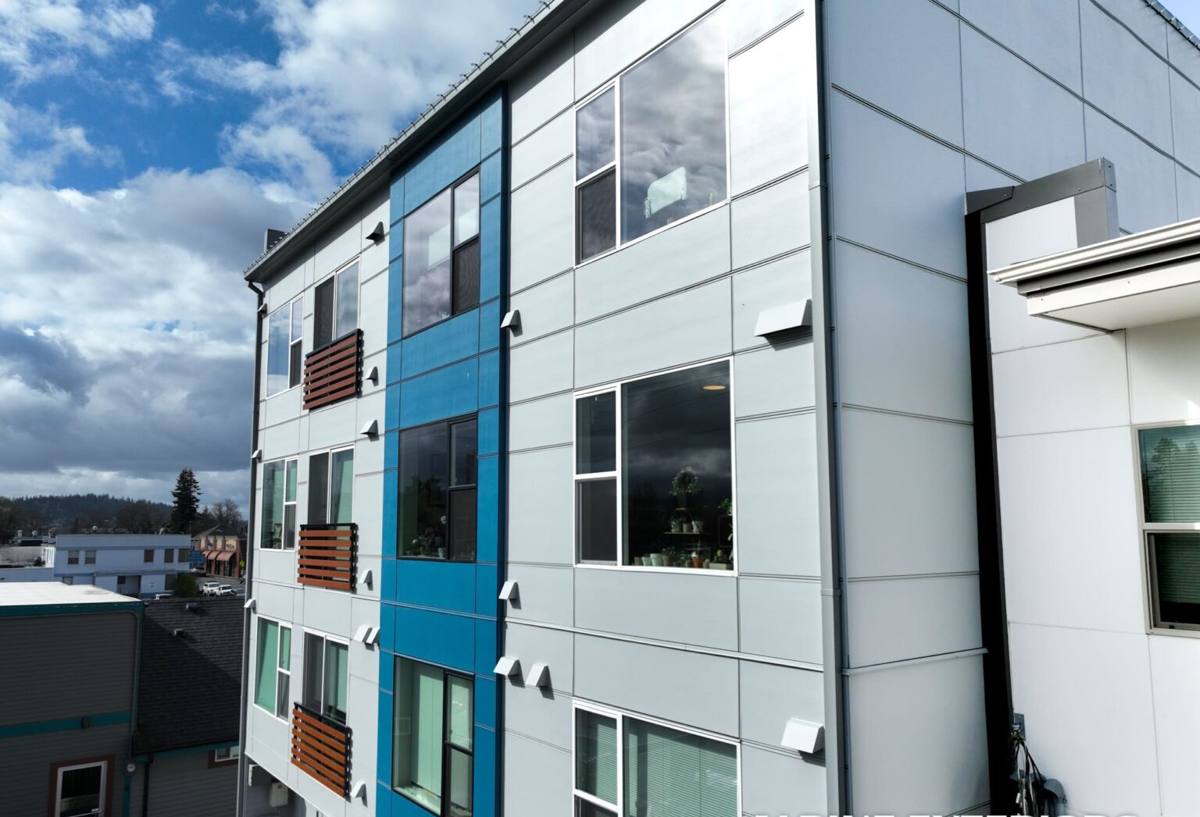
What the Local Climate Does to Windows
Three things define window wear in Ferndale and the surrounding Custer area, and they compound each other over the years.
Salt Air
Even a few miles from salt water, airborne salt accelerates corrosion on window hardware — hinges, locks, balance systems, and screen frames. Cheaper metal components pit and seize years before they would inland. It also degrades certain finishes on aluminum and vinyl over time, leaving frames chalky or discolored.
Driving Rain
Wind-driven rain doesn't just hit a window head-on — it gets pushed sideways and upward under sills and around trim. Windows here need to shed water actively, not just resist it when rain falls straight down. This is a flashing and drainage problem as much as it is a window quality problem.
Moss and Sustained Moisture
Whatcom County's long wet season keeps wood trim, sills, and siding damp for weeks at a stretch. Moss and algae take hold anywhere water sits or drains slowly, and that sustained dampness is what rots sills and delaminates poorly sealed frames — not one bad storm, but months of low-grade moisture exposure.
Signs a Ferndale Home Needs New Windows
Not every drafty window needs full replacement, but these are the signs worth taking seriously before they turn into structural repairs:
- Soft or spongy wood at the sill or bottom corners of the frame
- Fogging or moisture trapped between panes of a double-pane window
- Visible gaps, cracked caulk, or daylight around the frame edges
- Windows that are difficult to open, close, or lock properly
- Noticeable cold drafts or condensation on the interior glass in winter
- Paint or finish that's peeling specifically around the window opening, not the rest of the wall
- Visible mold or persistent moss growth on the sill or surrounding trim
What a Correct Window Installation Actually Involves
A window installation is judged on what's invisible once the trim goes back on. The window itself matters, but the flashing, sealing, and insulation details around it are what determine whether the job lasts.
Flashing and Water Management
Every opening needs a drainage plane that directs water out and down, never letting it pool behind the window or track into the wall cavity. That means proper sill pan flashing, correctly lapped house wrap or building paper, and flashing tape integrated with the water-resistive barrier — installed in the right order, not just caulked over afterward. In a driving-rain climate like this one, this step is non-negotiable, and it's the step that gets skipped most often on rushed jobs.
Air Sealing and Insulation
The gap between the window frame and the rough opening needs to be filled with a low-expansion foam or backer rod and sealant, not left hollow or overstuffed. Too little insulation leaves a cold spot and condensation risk; too much foam can bow the frame and affect how the window operates. This detail directly affects both energy bills and long-term frame performance.
Level, Plumb, and Square
A window that's out of square binds, leaks at the corners, and wears its hardware unevenly. Shimming and fastening it correctly takes more time than eyeballing it, but it's what keeps the unit operating smoothly for decades.
Choosing the Right Window Material for This Climate
Frame material matters more here than in a mild, dry climate, because it has to hold up to sustained moisture and salt exposure, not just look good on install day.
| Material | How It Handles This Climate | Trade-offs |
|---|---|---|
| Vinyl | Won't rot or corrode; handles moisture and salt air well | Lower upfront cost; frame color and stiffness options are more limited than fiberglass |
| Fiberglass | Very stable in temperature swings and moisture; strong resistance to warping | Higher upfront cost than vinyl; fewer installers stock it locally |
| Wood / Wood-Clad | Traditional look, good insulator | Exposed wood needs consistent maintenance to resist rot in a wet, mossy climate; clad versions shift that burden to the cladding seams |
| Aluminum | Strong and slim sightlines | Conducts cold and is more prone to corrosion pitting in salt air unless well-finished |
We don't install every option on this list for every project — where a material has a known maintenance burden or moisture-management downside in a marine climate, we say so upfront rather than let a homeowner find out five years in.
Our Window Installation Process
- On-site assessment — we check existing framing, sill condition, and any signs of past water intrusion before quoting anything.
- Product selection — we walk through material and glazing options based on the home's exposure (wind, rain-facing walls, salt distance).
- Removal and opening inspection — old windows come out carefully so we can inspect the rough opening and sill for hidden rot before it's covered back up.
- Flashing and drainage plane repair — any compromised house wrap, sill pan, or flashing gets corrected, not just patched over.
- Window installation — set level, plumb, square, shimmed, and fastened to manufacturer spec.
- Air sealing and insulation — gap filled correctly around the full perimeter.
- Interior and exterior trim — finished and sealed to shed water at every joint.
- Final walkthrough — operation, locks, and seals checked with the homeowner before we consider the job done.
Cost Factors Worth Understanding
Window installation pricing varies a lot based on site conditions, not just the window itself. These are the factors that actually move the number:
| Factor | Why It Affects Cost |
|---|---|
| Frame material and glazing package | Vinyl, fiberglass, and wood-clad units carry different material costs, and double vs. triple-pane glazing adds cost |
| Condition of the existing opening | Rotted sills or framing found during removal require repair before a new window can be properly installed |
| Number and size of openings | Larger or custom-sized windows and multi-window projects have different labor and material needs than a single standard swap |
| Access and wall height | Second-story or hard-to-access openings take more time and equipment than ground-level windows |
| Trim and finish work | Matching existing interior or exterior trim adds labor beyond the window install itself |
We give honest, itemized estimates rather than a flat per-window number, because the site conditions above genuinely change the scope.
Why a Crew That Already Works Ferndale Makes a Difference
A contractor who works this specific stretch of Whatcom County — Ferndale, Custer, and the surrounding areas near the water — has already seen what driving rain and a long moss season do to window installs that weren't detailed for this climate. That experience shows up in small decisions: which flashing sequence actually keeps water out at a rain-facing wall, how much clearance to leave for drainage on a north-facing sill that never fully dries out, and which hardware holds up against salt air instead of seizing in a few years. It also means realistic timelines — knowing which weeks of the year are workable for exterior openings and which aren't, given regional weather patterns.
Keeping New Windows Performing Long-Term
A correctly installed window still benefits from basic upkeep in this climate. A short annual routine goes a long way:
- Clear moss and debris from sills and tracks before it holds moisture against the frame
- Check exterior caulking each fall for cracks before winter rain arrives
- Rinse salt residue off frames and hardware periodically if the home is closer to the water
- Test locks and balances yearly — stiff hardware is often an early corrosion warning sign
- Watch for condensation between panes, which signals a failed seal on the glass unit itself
If you're weighing whether it's time to replace windows on a Ferndale home, or you just want a straight answer on what a correct installation would involve for your place, we're happy to take a look. Use the form below to request a free, no-pressure estimate.