 Custer
 Why Ferndale Homes Wear Out Siding Faster Than You'd Expect
Ferndale sits close enough to the Strait of Georgia and Puget Sound that salt-laden air is a daily fact of life, not an occasional weather event. Add Whatcom County's long, wet winters and the shoulder seasons that stay damp for weeks at a time, and you have a climate that is genuinely hard on exterior building materials. Homeowners in Ferndale and the surrounding Custer area often notice their siding aging faster than a friend's house might in a drier part of the state, and there's a real reason for that: the combination of salt exposure, driving rain that gets pushed sideways into wall assemblies, and a moss season that can stretch from late fall through spring.
None of this means siding is a lost cause here. It means the material and the installation have to be matched to the conditions. A siding replacement done right in Ferndale looks different, in some important details, from the same job done in a dry inland climate.
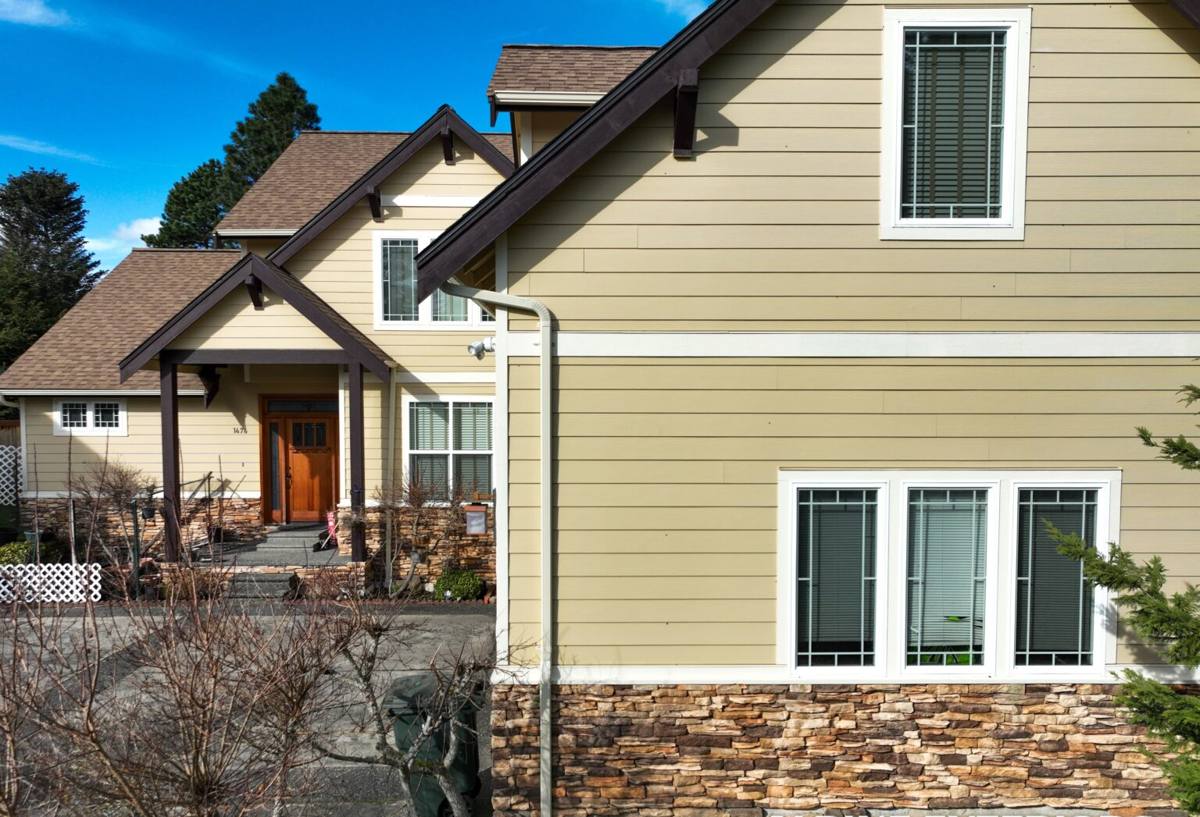
What This Climate Actually Does to Siding
Salt Air
Airborne salt accelerates corrosion on fasteners, flashing, and any metal trim components. It also tends to keep surfaces slightly damp longer than a purely rain-driven climate would, which matters for anything that isn't fully sealed or properly finished.
Driving Rain
Rain in this part of Whatcom County rarely falls straight down. Wind off the water pushes it sideways, which means siding has to shed water horizontally as well as vertically. Laps, seams, and butt joints that aren't detailed correctly become entry points, and once moisture gets behind the siding, it has a long, cool, damp winter to do damage before anyone notices.
Moss Season
Shade, moisture, and mild temperatures are exactly what moss needs, and Ferndale's tree cover and rainfall give it plenty of both. Moss holds moisture against a surface far longer than open air would, which is a problem for any siding material that can absorb water or degrade under sustained dampness.
Signs a Ferndale Home Needs Siding Replacement, Not Just Repair
Not every siding issue calls for a full tear-off. But there's a point where patching stops making sense and replacement becomes the more honest recommendation. Signs worth taking seriously include:
- Soft or spongy spots when you press on the siding, especially near the bottom courses or around windows
- Visible warping, bowing, or separation at seams and corners
- Paint that won't hold, blisters, or peels within a couple of years of repainting
- Moss or dark streaking that returns quickly after cleaning, suggesting the surface stays damp longer than it should
- Cracking or crumbling at cut edges, especially on older wood-based or fiberboard products
- Rot visible at trim boards, corner boards, or anywhere siding meets a roofline or deck
- Rising energy bills with no other explanation, which can point to compromised weather barriers behind failing siding
If you're seeing one or two of these in isolated spots, a repair might genuinely be enough. If you're seeing several, or the same problem keeps coming back in the same area, that's usually a sign the underlying moisture management has failed and a section-by-section fix will just delay the real cost.
What a Correct Siding Replacement Involves
Tearing off old siding and nailing up new panels is the easy part to see. The parts that actually determine whether the job lasts happen underneath, and they matter more in a climate like this one than almost anywhere else in the state.
Inspecting and Repairing the Wall Sheathing
Once the old siding is off, the sheathing underneath gets a real inspection. Any rot, soft spots, or water staining needs to be addressed before anything new goes up. Covering damaged sheathing with new siding just hides a problem that will keep spreading.
Weather-Resistant Barrier
A properly lapped and sealed weather barrier is what actually keeps wind-driven rain from reaching the wall structure. This layer is invisible once the job is done, but it's arguably the single most important part of the installation in a coastal, high-rainfall area like this.
Flashing at Every Penetration
Windows, doors, hose bibs, light fixtures, and any other wall penetration need proper flashing integrated with the weather barrier, not just caulk. Caulk fails over time; correctly lapped flashing doesn't rely on a sealant staying intact for 30 years.
Correct Fastening and Clearances
Fastener spacing, siding-to-ground clearance, and gaps at joints all need to follow the manufacturer's installation specifications. In a wet climate, skipping the recommended clearance above grade or decks is one of the most common causes of early rot.
Finish and Caulking Details
Cut edges get sealed, joints get caulked with a product rated for exterior movement, and factory finishes are protected during installation so the finish itself isn't the weak point.
Why We Install Only James Hardie Fiber Cement
We made a deliberate decision as a company not to install vinyl siding, LP SmartSide, primed wood products, or other fiber cement brands. That's not a marketing position — it's based on what holds up in this specific climate and what we're comfortable standing behind long-term.
Vinyl can warp and become brittle with temperature swings and UV exposure, and it relies heavily on caulking and trim detailing to keep water out, which is a weak point in a driving-rain environment. Wood-based products like LP SmartSide use engineered wood strand technology that, however well-treated, is still an organic material vulnerable to moisture if any part of the installation or finish is compromised over time — a real risk given how long this region stays wet. Other fiber cement brands may perform reasonably well, but we've standardized on one manufacturer so we can guarantee consistent installation training, warranty support, and product availability.
James Hardie fiber cement is non-combustible, dimensionally stable in wet-dry cycling, and finished with the ColorPlus factory finish system, which resists fading and chipping better than field-applied paint. Hardie also engineers specific product lines for different climate zones — the HZ5 line used in this region is built to handle sustained moisture exposure, which is exactly the condition Ferndale and Custer homes deal with for a large part of the year.
Our Process for a Ferndale Siding Replacement
Every project follows the same sequence, adjusted for the specifics of your home:
- On-site assessment — we look at the current siding, trim, sheathing condition where accessible, and any known moisture problem areas
- Detailed scope and written estimate — what's being removed, what's being replaced, and what happens if we find hidden damage once tear-off starts
- Tear-off and sheathing inspection — old material comes off and the wall is inspected before anything new is installed
- Weather barrier and flashing installation — the part that determines long-term performance
- Hardie siding installation — installed to manufacturer specifications for fastening, spacing, and clearance
- Trim, caulking, and finish detailing — the visible finish work that also protects the seams underneath
- Final walkthrough — we go over the finished work with you before calling the job done
What Affects the Cost of a Siding Replacement
Every home is different, but the same handful of factors tend to drive cost up or down on most Ferndale-area projects:
| Factor | Why It Matters |
|---|---|
| Square footage and home height | More surface area and taller walls mean more material, labor, and equipment |
| Existing sheathing condition | Rot or moisture damage found during tear-off adds repair work before new siding can go on |
| Number of layers being removed | Homes with siding installed over older siding take longer to strip down to bare sheathing |
| Trim and detail complexity | Dormers, multiple roof lines, and lots of window/door trim add labor time |
| Siding profile and accessories chosen | Different Hardie profiles, trim boards, and color options carry different material costs |
| Site access | Landscaping, fencing, or tight lot lines can slow staging and material handling |
Why Hiring a Crew That Already Works This Area Matters
A crew that regularly works Ferndale, Custer, and the rest of Whatcom County has already seen how this climate behaves on real homes — which walls take the worst of the wind-driven rain, where moss tends to establish first, and which older installation shortcuts show up as failures years later. That familiarity shows up in small decisions during a job: how flashing gets lapped around a particular window style, how much clearance to leave at grade given how wet the ground stays, and which trim details are worth the extra time versus which don't matter much here.
It also means someone who understands local permitting expectations and can talk through your project without treating it as a generic siding job dropped into a spreadsheet. Siding is a long-term investment in the house — 30, 40, or more years if it's done right — and that's worth having someone local and accountable behind the work.
Living With Your New Siding Through Whatcom County's Seasons
Even the right product installed correctly benefits from a little seasonal attention. A rinse-down once or twice a year, especially on shaded north-facing walls where moss likes to establish, keeps growth from getting a foothold. Trimming back vegetation that keeps siding shaded and damp helps as well. Hardie's factory finish reduces how much maintenance is needed compared to field-painted siding, but no exterior material in this climate is entirely maintenance-free, and a quick annual look at caulking and trim joints catches small issues before they become bigger ones.
If you're weighing a siding replacement for a home in Ferndale or the surrounding Custer area, we're happy to take a look and give you a straightforward, no-pressure estimate — no obligation, just an honest read on what your home actually needs.