 Custer
 Why Sandy Point Siding Takes a Different Approach
Sandy Point sits close enough to the water that its siding problems aren't quite the same as siding problems ten miles inland in Custer or Ferndale. Homes here take on marine air carried in off the water, near-constant winter dampness, and long stretches of shade under evergreens that never let a wall fully dry out. Any one of those things is manageable. Together, over years, they wear down the wrong siding material fast — and they punish a sloppy installation even faster.
This page is about one product, in one place: James Hardie fiber cement siding, installed on homes in Sandy Point. Not a general siding overview — the specific conditions this neighborhood deals with, what a correct installation has to account for, and why we think a crew that already works this stretch of Whatcom County shoreline is worth choosing over one that doesn't.
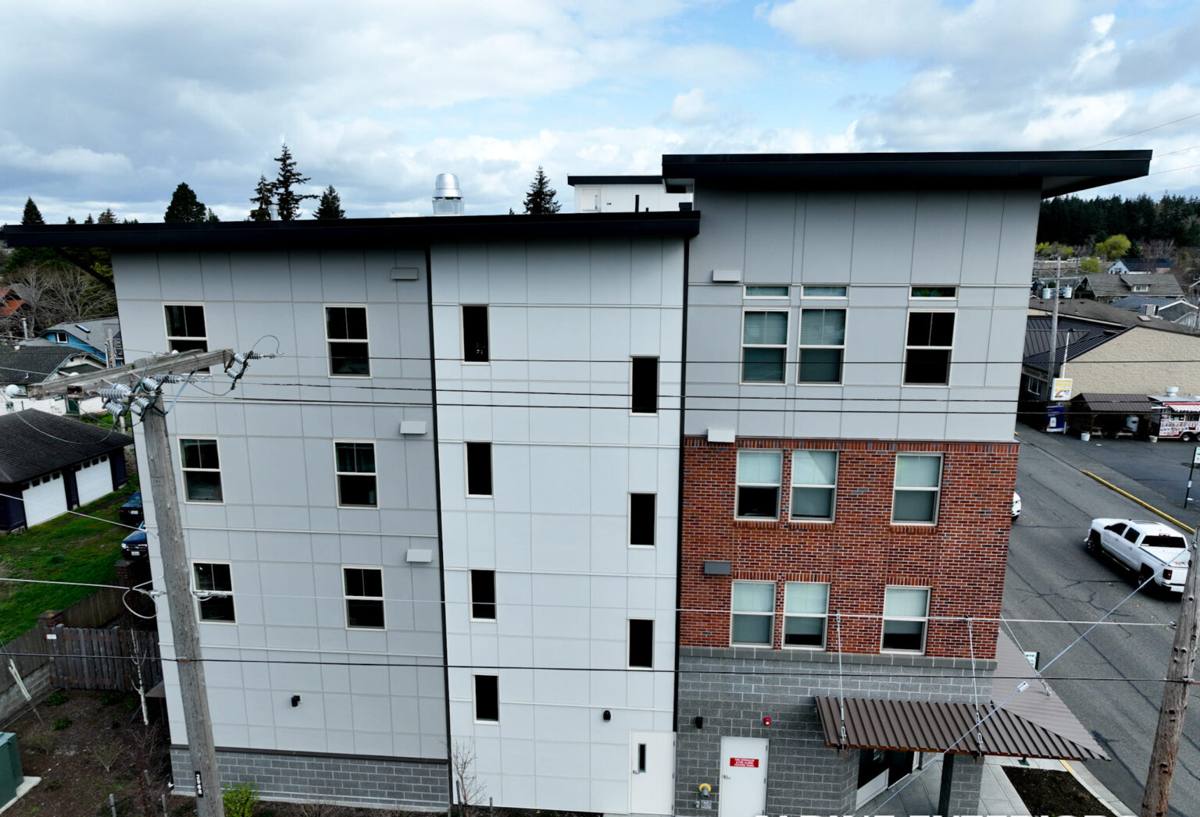
What Salt Air, Driving Rain, and Moss Actually Do to a House
Salt Air
Airborne salt doesn't just sit on the surface — it's hygroscopic, meaning it pulls moisture out of the air and holds it against whatever it lands on. On a wall, that means longer periods of surface dampness than an equivalent home even a few miles inland. Salt-laden moisture is also mildly corrosive, which is hard on fasteners, flashing, and any exposed metal trim if it isn't rated for coastal exposure.
Driving Rain
Whatcom County gets a lot of rain, but the rain that matters most for siding is the kind that comes in sideways off open water. Wind-driven rain doesn't just wet a wall — it pushes water up and under laps, into gaps around trim, and behind loose caulk joints. A siding system built for a calm, sheltered lot can fail on an exposed one simply because the water is arriving from an angle the design never planned for.
Moss and Prolonged Dampness
Between tree cover and the marine layer, parts of Sandy Point stay damp for months at a stretch. Moss and algae don't just look bad — they hold moisture directly against the siding surface long after a dry spell would have let a clean wall shed water and dry out. On any material that isn't dimensionally stable or that relies on a field-applied paint film, that constant dampness accelerates rot, coating failure, or swelling.
Why Fiber Cement Is the Right Material for This Exposure
Fiber cement is cement, sand, and cellulose fiber pressed and cured into a rigid plank. It doesn't absorb water the way wood does, it doesn't expand and contract with humidity the way vinyl does, and it doesn't feed mold or insects the way wood-based composite products can. For a shoreline lot with salt air and long damp stretches, those properties matter more than they would on a dry inland site.
We install James Hardie specifically, not fiber cement in general, and the reason is the factory finish. Hardie's ColorPlus finish is baked on and warranted separately from the substrate, which means the surface holding up against salt exposure and moss growth is a factory-controlled coating, not a field-applied paint job that depends on weather conditions on installation day. Hardie also builds HZ5 product formulations engineered for higher-moisture, higher-exposure climates — which describes Sandy Point better than it describes most of the country.
None of that means fiber cement is maintenance-free. It means the material itself isn't the weak link — the installation is, which is the next section.
What a Correct Installation Involves Here
Fiber cement performs exactly as well as the details it's installed with. On an exposed, damp site like Sandy Point, a few details matter more than they would elsewhere:
- Clearance and drainage: proper gap at grade, decks, and roof lines so water sheds away from the wall instead of wicking up into the bottom course
- House wrap and flashing sequencing: every penetration, window, and horizontal transition flashed and lapped so wind-driven rain can't work its way behind the cladding
- Fastener choice: corrosion-resistant fasteners rated for the exposure, driven to Hardie's specified pattern and depth — not just "enough to hold it up"
- Joint and caulk detailing: butt joints, trim returns, and penetrations sealed with the right sealant, in the right places — over-caulking a joint that's supposed to drain is as much of a mistake as leaving one open
- Ventilated rainscreen where called for: on the more exposed and shaded elevations, a drainage gap behind the siding gives incidental moisture somewhere to go instead of sitting against the back of the board
Skip any one of these and you can have James Hardie siding on the wall and still get moisture problems within a few years — not because the product failed, but because the installation didn't account for what this site actually deals with.
How Materials Compare for a Site Like This
| Material | Salt air / moisture behavior | Moss & algae resistance | Long-term coastal upkeep |
|---|---|---|---|
| Vinyl siding | Doesn't rot, but can warp or fade faster under sun and salt-cycling; seams are a water entry point | Moderate — smooth surface but seams and laps trap grime | Low upfront cost, but panels often need full replacement rather than repair |
| Cedar / wood | Absorbs moisture readily; salt air accelerates weathering of the finish | Poor — organic material feeds moss and mildew directly | Recurring refinishing and higher rot risk in shaded, damp areas |
| LP SmartSide (engineered wood) | Better than raw wood but still wood-based; edge sealing and gaps become failure points if moisture gets in | Moderate — resists better than cedar but still an organic substrate | Manageable inland; higher risk of edge swelling on exposed, wet sites |
| James Hardie fiber cement | Cement-based, doesn't absorb and swell; factory finish holds up to salt exposure | Good — non-organic substrate doesn't feed growth, though surface can still need washing | Lowest recurring maintenance of the group when installed to spec |
Our Process on a Sandy Point Job
Site Assessment
We start by looking at exposure, not just square footage — which elevations take direct wind and rain off the water, where moss and shade are heaviest, where the existing siding shows the most wear. That assessment drives decisions on flashing, rainscreen, and trim details before a single board goes up.
Tear-Off and Sheathing Check
On a coastal, damp-prone lot, we don't assume what's behind the old siding is sound. Tear-off is also when we find out whether sheathing or framing took on moisture damage over the years — and that gets addressed before new siding covers it back up.
Install to Hardie's Specification
Clearances, fastening, flashing, and joint treatment follow Hardie's published installation requirements, adjusted for the exposure level of each elevation. This is also what keeps the manufacturer's warranty intact — installing outside spec can affect warranty coverage even on the correct product.
Final Walkthrough
We walk the finished job looking specifically at the details that matter most on an exposed site: joint sealant, trim returns, and drainage paths, so nothing gets missed before we call it done.
Maintaining Fiber Cement Siding at Sandy Point
Correct installation gets you most of the way, but a coastal lot still needs some basic upkeep to keep siding looking and performing its best:
- Rinse salt residue and grime off the siding surface periodically, especially on wind-exposed walls
- Keep gutters and downspouts clear so water isn't dumping down a wall section repeatedly
- Trim back vegetation and tree cover where it's keeping a wall section shaded and damp longer than the rest of the house
- Check and refresh caulking at trim joints and penetrations every few years — sealant wears out well before the siding does
- Address moss or algae growth with a gentle wash rather than pressure that can drive water behind laps
Why a Crew That Already Works This Neighborhood Matters
Exposure, drainage, and moss patterns vary block by block along the Whatcom County shoreline, and a crew that's already worked Sandy Point homes has seen which elevations and details actually cause problems here versus on a sheltered inland lot in Custer. That's not a substitute for following Hardie's installation spec — it's what tells you where to be more careful than the spec alone would flag, and it's the difference between a crew learning this site's quirks on your house and one that already knows them.
We install James Hardie fiber cement exclusively — no vinyl, no engineered wood, no unfinished wood siding — because we've seen what holds up on exposed sites like this one and what doesn't. If you're weighing a siding replacement on a Sandy Point home, we're happy to walk your property, point out what your specific exposure calls for, and put together a straightforward, no-pressure estimate.