 Custer
 Why Point Roberts Siding Wears Differently
Point Roberts sits out on its own peninsula, exposed on multiple sides to the Strait of Georgia and Boundary Bay. That exposure means homes here take a harder hit from the weather than a lot of inland Whatcom County properties. Salt-laden air off the water works on fasteners, trim, and caulking year-round. Driving rain off the water finds any gap in a wall assembly, not just the flat, calm rain that a lot of siding is designed to shed. And the long, wet moss season — stretching from fall through spring in this part of Washington — keeps north-facing and shaded walls damp for months at a time.
None of that means siding on a Point Roberts home is doomed. It means repairs have to account for those conditions specifically, not just patch what's visible and move on. A repair that would hold up fine in a drier, more sheltered part of the county can fail again within a couple of seasons out here if the underlying cause isn't addressed.
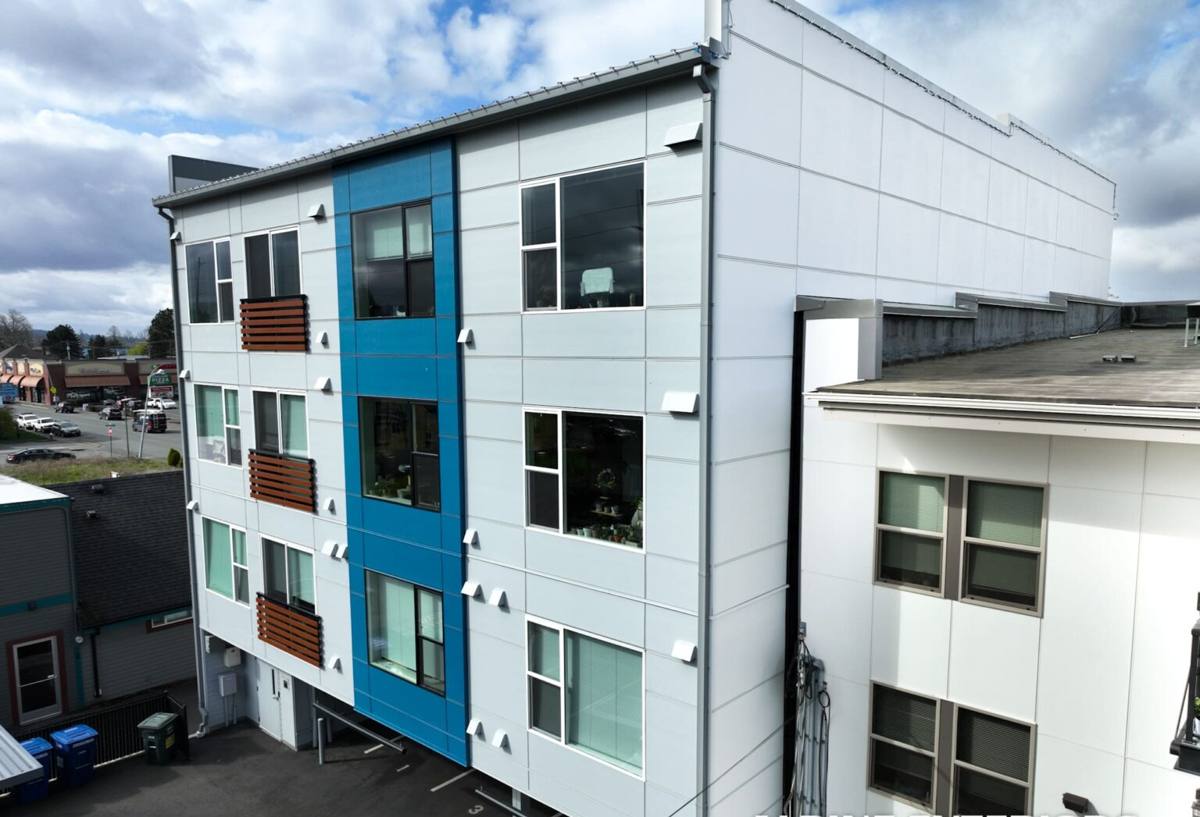
Signs Your Siding Needs Repair, Not Just Cleaning
A lot of homeowners assume dark streaking or a soft spot is a cosmetic issue that a pressure wash will fix. Sometimes that's true. Often it isn't. Here's what actually points to a repair need:
- Soft, spongy, or bouncy siding when you press on it — usually means moisture has gotten behind the panel
- Persistent moss or algae growth that comes back within weeks of cleaning, especially on shaded or north-facing walls
- Cracked, shrunken, or peeling caulk at seams, corners, and around windows and doors
- Visible gaps or separation where panels meet trim, corner boards, or window casings
- Rust streaks running down from fastener heads or trim nails
- Bubbling, flaking, or discolored paint/finish in one localized area rather than the whole wall
- A musty smell or visible staining on interior walls that back up to an exterior wall
Any one of these can be minor. Two or three together, especially on the weather-facing side of the house, usually means water has already worked its way past the surface.
What's Actually Driving the Damage
Salt Air and Metal Fatigue
Salt air doesn't just dull a finish — it accelerates corrosion on anything metal in the wall assembly: nail heads, flashing, trim fasteners. Once a fastener starts to corrode, it loses its grip, and a panel that used to sit flat starts to work loose. That's often the real story behind siding that looks "fine" but rattles or flexes in wind.
Driving Rain and Wind-Driven Moisture
Rain that comes in sideways off open water behaves differently than rain falling straight down. It gets pushed up under laps, into seams, and around window and door openings that would stay dry in a more sheltered setting. A repair that doesn't check the flashing and water-resistive barrier behind the siding — not just the visible panel — is treating the symptom, not the cause.
Moss, Shade, and Slow-Drying Walls
Whatcom County's long wet season is hard enough on siding on its own. On a lot of Point Roberts properties, mature trees and close-set homes create shaded walls that simply don't dry out between storms for weeks at a stretch. That constant dampness is what lets moss and algae get a foothold, and sustained moisture against a wall is what eventually leads to rot in the sheathing behind it — which no amount of surface cleaning will fix.
Repair, Panel Replacement, or Full Re-Side?
Not every problem calls for the same fix. Part of doing this right is being honest about which category a job actually falls into.
| Approach | When It Makes Sense | What to Watch For |
|---|---|---|
| Spot repair (caulk, trim, fastener) | Isolated failure, no sheathing damage, siding itself is sound | Only addresses the symptom — if moisture caused it, confirm the entry point is sealed too |
| Panel/section replacement | Localized rot, impact damage, or a section with chronic moisture behind it | Color and texture match to existing siding; checking framing behind the removed section before closing it back up |
| Full re-side | Damage is spread across multiple walls, or original material/install has widespread issues | Bigger investment, but resets the clock with one consistent, warrantied system instead of a patchwork |
We'll tell you straight which category your situation falls into. A five-minute caulk fix doesn't need to turn into a bigger sale, and a wall with rot behind three panels doesn't need to be talked down to "just re-caulk it."
What a Correct Repair Actually Involves
Finding the Water, Not Just the Damage
Before anything gets cut out or replaced, we trace where moisture is actually getting in. Damage often shows up several feet from its real source — water runs down inside a wall before it ever stains the surface. Replacing a panel without finding the entry point just delays the next repair.
Checking What's Behind the Siding
Any time we open up a section, we look at the flashing, the water-resistive barrier, and the sheathing underneath. If those are compromised, replacing the visible panel alone is a cosmetic fix with a short shelf life. Repairing it right sometimes means addressing a layer the homeowner never sees.
Matching Material and Finish
A patch that doesn't match color, texture, or profile stands out immediately, especially on a home where the sun has already weathered the original siding slightly. Because we work with James Hardie's ColorPlus factory-finished boards, we can match existing color lines closely rather than relying on field-applied paint that weathers at a different rate than the rest of the wall.
Hardware Built for the Coast
Given how hard salt air is on fasteners here, we use corrosion-resistant fastener and flashing hardware appropriate for coastal exposure, not whatever's cheapest on the shelf. A repair is only as durable as its weakest fastener.
Why We Repair With James Hardie, Not Whatever's On the Wall
We install and repair exclusively with James Hardie fiber cement siding. We don't stock or install vinyl, LP SmartSide, or other fiber cement brands. That's a deliberate standard, not a matter of convenience.
Hardie's HZ5 product line is engineered for wetter, higher-moisture climates like ours, and the ColorPlus finish is baked on at the factory rather than field-painted, which matters a great deal when you're trying to blend a repair into existing siding years later. It's also non-combustible fiber cement, holds up to the freeze-thaw and moisture cycling that's normal for Whatcom County, and carries a strong transferable warranty when installed to spec. When we repair a Point Roberts home, we want the patch to perform and age the same way the rest of the wall does — that's a lot easier to promise with one consistent, well-documented product system behind it.
Our Process for a Point Roberts Repair
- On-site inspection of the affected area and a check of the rest of the exterior for related issues, since moisture problems rarely stay isolated
- Diagnosis of the actual water path — not just the visible symptom
- Honest recommendation: spot repair, panel replacement, or a note that a fuller re-side would serve you better long-term
- Material and color matched to your existing Hardie siding wherever possible
- Repair completed with attention to flashing, fastening, and sealing — not just the cosmetic patch
- Walkthrough so you know exactly what was found and what was done
Why Local Experience in Point Roberts Matters
Point Roberts is a Whatcom County community, but it's geographically cut off from the rest of the county by land — reaching it means routing through Canada. That's a real logistical factor for any contractor, and it shows up in ways homeowners don't always think about: crew scheduling has to account for border crossing time, and material runs can't happen on a whim mid-repair the way they could on a job a few minutes from the shop.
A crew that already works in Point Roberts plans around that instead of getting caught by it. That means staging the right materials before the crew crosses, building in realistic timelines instead of promising a same-day fix that depends on an unplanned supply run, and simply showing up when they say they will. It's a small thing until it's the reason your repair gets finished in one visit instead of dragging out over two or three trips.
Get an Honest Look at Your Siding
If you're seeing soft spots, recurring moss, cracked caulking, or staining on a Point Roberts home, it's worth getting an honest read on what's actually going on before it spreads. We'll give you a straight assessment of what needs attention, what can wait, and what it'll take to fix it right. Reach out for a free, no-pressure estimate using the form below.