 Custer
 Why Point Roberts Roofs Age Differently Than Roofs Inland
Point Roberts sits out on its own, surrounded by water and fully exposed to whatever comes off the Strait. That exposure means homes here take a different kind of beating than a roof twenty minutes inland in Whatcom County. Salt-laden air corrodes exposed metal faster, driving rain off the water finds every weak seam and nail pop, and the long, damp shoulder seasons give moss and algae months at a time to get established and spread. A roof that would hold up fine in a drier, more sheltered part of the county can wear out early out here if it wasn't built for this specific exposure.
We're not describing a special product line or a marketing angle — this is just what the material has to survive. Any roof replacement in Point Roberts should start from that reality, not from whatever's cheapest to install.
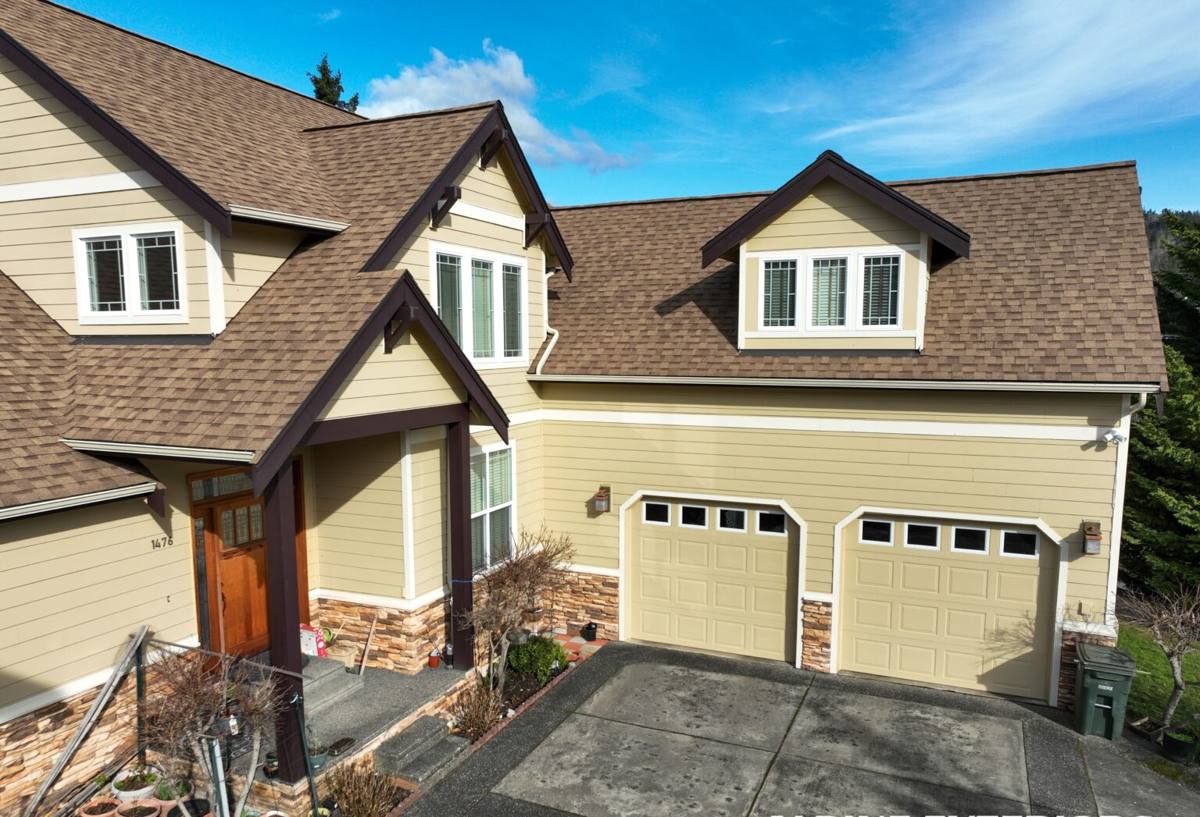
What "Correct" Actually Means for a Roof Replacement Here
A roof replacement is more than stripping old shingles and nailing down new ones. Done right for this location, it involves several layers working together, each one addressing a specific way this climate attacks a roof:
- Full tear-off, not a layover. Roofing over old, moisture-damaged material traps problems underneath and shortens the life of everything on top of it.
- Deck inspection and repair. Years of driving rain finding small gaps can soften or rot sections of the roof deck. Any soft or delaminated plywood gets replaced before new material goes down — not patched over.
- Ice-and-water or synthetic underlayment at vulnerable points. Eaves, valleys, and any low-slope transitions get extra protection against wind-driven rain that pushes water sideways and under standard shingle laps.
- Flashing done properly at every penetration. Chimneys, vents, skylights, and wall intersections are where most leaks actually start — not in the field of the roof.
- Ventilation that actually balances. Intake at the eaves and exhaust at the ridge need to work together, or you get condensation problems inside the attic that show up as rot, mold, or premature shingle failure from underneath.
- Moss- and algae-resistant material where it makes sense. Given the long moss season here, this is worth discussing for most Point Roberts homes, not just the ones already covered in it.
Choosing Materials for Salt Air, Rain, and Moss
There's no single "right" roofing material for every home — it depends on the roof's pitch, the home's style, and the budget. But some materials handle this specific combination of salt air, sustained rain, and moss pressure better than others. Here's how the common options generally compare for a coastal Whatcom County home:
| Material | Moisture & Rain Behavior | Moss/Algae Resistance | Salt Air Considerations |
|---|---|---|---|
| Algae-resistant architectural asphalt shingles | Good when properly ventilated; standard choice for most homes | Copper or zinc granules slow regrowth; still needs periodic cleaning | No metal exposure issue; performs consistently |
| Standard (non-algae-resistant) asphalt shingles | Same base performance, but moisture retention under moss accelerates wear | Poor — moss takes hold faster and holds water against the shingle | N/A |
| Standing-seam metal roofing | Excellent shedding of driving rain; minimal seams for water to find | Very good — smooth surface gives moss little to grip | Requires marine-grade coatings and fasteners to resist salt corrosion over time |
| Cedar shake | Attractive but retains moisture longer in a wet climate | Poor without regular treatment; high moss risk in shaded, damp areas | Higher long-term maintenance burden in this exposure |
We'll walk through these trade-offs honestly during your estimate — including where a lower-maintenance option might cost more up front but save you money and headaches over the life of the roof.
A Note on Cedar Shake
Cedar has real visual appeal and plenty of homeowners want it, and we'll install it if that's the right fit for your home. But we'll also tell you straight: in a climate with this much sustained moisture and moss pressure, cedar demands a more disciplined maintenance schedule than asphalt or metal. That's not a knock on the material — it's just what it takes to keep it performing, and it's worth knowing before you commit.
Moss and Algae: Why the Long Season Matters So Much Here
Moss doesn't just sit on a roof looking bad — it holds moisture against the shingle surface, works its way under tabs and edges as it grows, and can lift granules and shingle edges over time. In a climate where roofs rarely get a long, dry stretch to fully dry out, moss gets a head start every year and keeps growing longer than it would somewhere drier. That's a big part of why we push moss-resistant materials and proper attic ventilation on almost every replacement out here — it's cheaper to build resistance in up front than to fight moss every season for the life of the roof.
Good ventilation also matters more than people expect. A poorly ventilated attic traps warm, moist air against the underside of the roof deck, which encourages both moss growth from above (by keeping the shingles warmer and damper longer) and rot from below. We check and correct ventilation as a standard part of every replacement, not as an upsell.
Why Hiring a Crew Already Working in Point Roberts Matters
Point Roberts is a unique place to schedule work. It's geographically separated from the rest of Whatcom County — reachable only by driving through Canada, by water, or by small plane — which means logistics that a typical mainland roofing crew simply hasn't had to plan around. A crew that already works this community on a regular basis has that built into how they schedule and stage a job:
- Border crossing times are factored into crew scheduling, so your project isn't delayed by a crew figuring this out for the first time.
- Material deliveries are planned with enough lead time to account for the crossing, so shingles, underlayment, and flashing show up when they're needed.
- We already know what these homes tend to look like structurally and what this exposure does to a roof over time, so inspections are faster and more accurate.
- We're not treating the trip out as an inconvenience tacked onto a mainland schedule — it's a normal part of our week.
That familiarity translates into fewer surprises, more accurate timelines, and a crew that shows up when they say they will.
Our Roof Replacement Process
- On-site inspection. We walk the roof (or use a drone where access or pitch makes that safer) and check the deck, flashing, ventilation, and any interior signs of moisture from the attic side.
- Honest scope and written estimate. You get a clear breakdown of what needs to be done, what materials we recommend and why, and what it costs — no vague allowances.
- Scheduling built around the border and the weather. We plan the tear-off and install window around a stretch of workable weather and factor in crossing and delivery logistics up front.
- Full tear-off and deck repair. Old material comes off completely; any damaged decking gets replaced before anything new goes down.
- Underlayment, flashing, and material installation. Installed in the sequence and to the spec that actually protects against wind-driven rain, not just to the minimum code requirement.
- Ventilation check and correction. We confirm intake and exhaust are balanced for the size of the attic.
- Cleanup and final walkthrough. Job site cleared of debris and nails, and we walk the finished roof with you before we call it done.
Signs Your Point Roberts Roof May Need Replacement, Not Repair
Not every roof problem calls for a full replacement — sometimes a repair genuinely is the right call, and we'll tell you that if it's true. But a few signs generally point toward replacement being the more sensible long-term move:
- Shingles that are cupping, cracking, or losing significant granule coverage across large sections of the roof, not just one spot
- Moss or algae that keeps returning heavily within a season or two of cleaning, even after treatment
- Soft spots, sagging, or visible daylight through the roof deck from the attic
- Recurring leaks at multiple points rather than one isolated flashing failure
- A roof approaching or past the expected lifespan of its material, especially if it wasn't originally installed with this coastal exposure in mind
- Rising energy bills tied to poor attic ventilation or insulation performance at the roofline
What Affects the Cost of a Roof Replacement Here
Every roof is different, so we won't quote a number without seeing the roof, but these are the main factors that move the price up or down on most Point Roberts homes:
| Factor | Why It Matters |
|---|---|
| Roof size and pitch | More square footage and steeper pitches mean more material and more labor time |
| Material choice | Algae-resistant asphalt, standing-seam metal, and cedar sit at different price points and different long-term maintenance costs |
| Deck condition | Rot or soft decking found during tear-off requires repair before new roofing goes down, which adds material and labor |
| Number of penetrations | Chimneys, skylights, and multiple vent stacks each need proper flashing, which adds time |
| Access and site logistics | Difficult access, staging space, and the border crossing for equipment/material delivery all factor into scheduling and cost |
| Ventilation upgrades | Correcting inadequate intake or exhaust ventilation adds a modest cost but pays off in roof longevity |
Protecting Your Investment After Installation
A properly installed roof still benefits from basic upkeep in this climate. We recommend a periodic visual check for early moss regrowth (catching it early is far easier than removing an established patch), keeping gutters clear so water isn't backing up under the eaves, and a professional inspection every few years to catch flashing or sealant issues before they become leaks. None of this is complicated, but skipping it is how a good roof loses years off its life in a wet, salt-air climate like this one.
If you're weighing a roof replacement for a Point Roberts home, we're happy to take a look and give you a straight answer about what your roof actually needs — no pressure, no upsell. Fill out the form below and we'll set up a time to come take a look.