 Custer
 Roofing in Lynden Has to Answer to the Weather
Lynden sits inland from Bellingham Bay but close enough that salt-tinged air still reaches it, and it gets the same wet, gray stretch of Pacific weather that defines Whatcom County from October through May. A new roof here isn't just about covering the house — it's about surviving months of driving rain, near-constant moisture, and a moss season that can run nearly year-round in shaded, north-facing sections of a roof. Materials, ventilation, and flashing details that work fine in a drier climate can fail early here if they weren't chosen and installed with this exact weather pattern in mind.
We install roofs in this area regularly, which means we're not guessing at how a roof will hold up under Whatcom County conditions — we're building to what we already know happens to roofs here over five, ten, and twenty years.
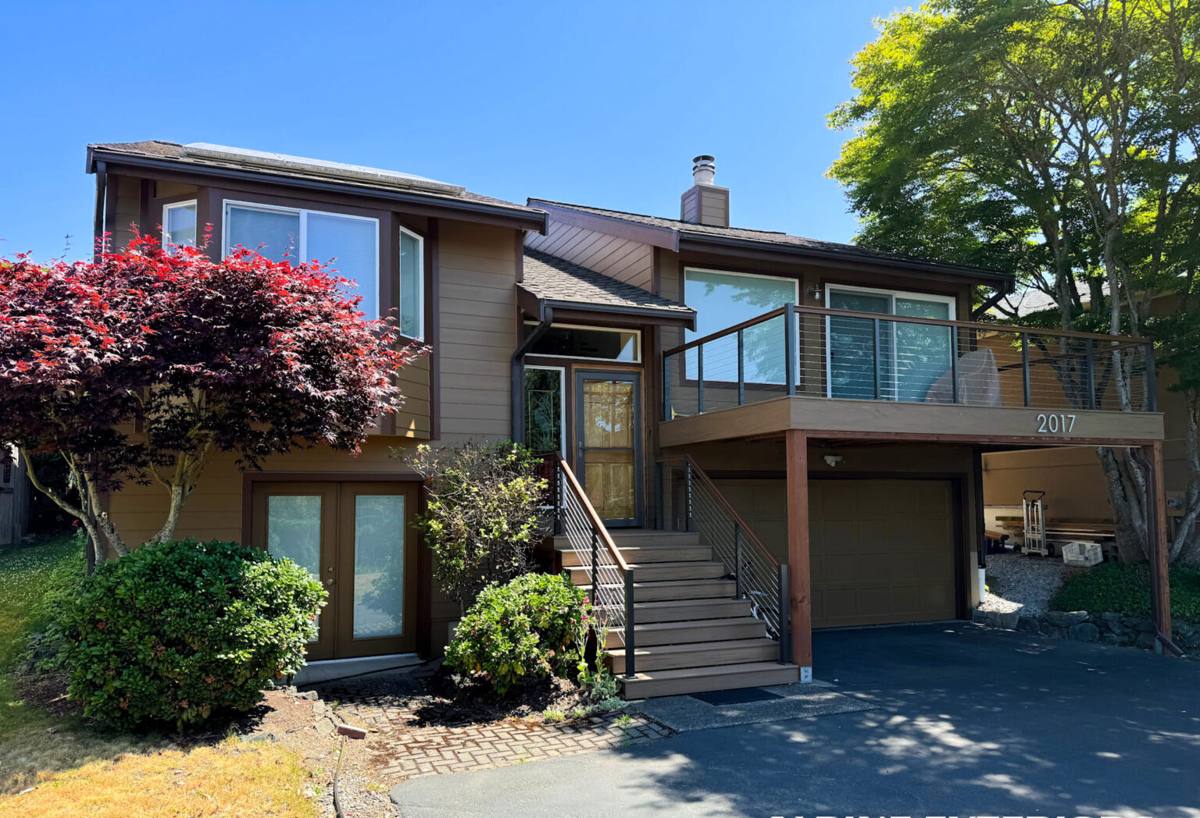
What Lynden's Climate Actually Does to a Roof
Moss and Constant Moisture
Moss doesn't just look bad — it holds water against the roof surface, works its way under shingle tabs, and lifts edges over time. Left unchecked, it shortens the life of almost any roofing material. A correct installation accounts for moss risk from the start: material choice, roof slope, and shaded areas all factor into how much moss pressure a given roof will face.
Driving Rain and Wind-Driven Wet
Rain in this region rarely falls straight down. Wind pushes it sideways and up under laps, edges, and flashing that would stay dry in a calmer climate. That means underlayment coverage, flashing overlap, and fastening patterns matter more here than in places with gentler weather.
Salt Air and Metal Fatigue
Being close to Puget Sound and Bellingham Bay means airborne salt reaches fasteners, flashing, and any exposed metal on a roof. Untreated or poorly coated metal components corrode faster near the coast than they would further inland, which is why metal quality and coating matter as much as the shingle or panel itself.
What a Correct New Roof Installation Actually Involves
A new roof is more than removing old shingles and nailing down new ones. Each step below is where a rushed or corner-cutting installation typically fails first in this climate.
- Full tear-off: removing old roofing down to the deck rather than layering over it, so we can actually see the condition of the wood underneath.
- Deck inspection and repair: soft, rotted, or delaminated sheathing gets replaced — installing new roofing over bad decking just hides a problem that will resurface.
- Ice-and-water or high-quality synthetic underlayment: especially at eaves, valleys, and low-slope sections where wind-driven rain and standing moisture are most likely.
- Proper flashing: new step flashing, valley flashing, and counterflashing at every wall, chimney, and penetration — reused old flashing is a common shortcut that leads to leaks within a few years.
- Balanced ventilation: intake at the eaves and exhaust at the ridge, sized to the attic, so moisture doesn't get trapped and rot the deck from underneath.
- Correct fastening: nail placement and count matched to the manufacturer's wind-rating specs, not just "enough to hold it down."
- Manufacturer-compliant installation: following the material maker's instructions exactly, since most shingle and metal warranties are void if the install doesn't meet spec.
Choosing a Roofing Material for This Climate
There's no single "best" roofing material for Lynden — the right choice depends on your roof's slope, sun exposure, budget, and how much long-term maintenance you're willing to do. Here's how the common options compare against local conditions.
| Material | Moss Resistance | Rain/Wind Performance | Maintenance | Typical Lifespan |
|---|---|---|---|---|
| Architectural asphalt shingle | Moderate — algae-resistant granules help, but still needs cleaning in shaded areas | Very good when installed with proper underlayment and fastening | Low to moderate | 25–30 years |
| Standing seam metal | Excellent — moss struggles to gain a foothold on smooth panels | Excellent; sheds wind-driven rain well | Low, but coastal-grade fasteners and coatings matter | 40–50+ years |
| Cedar shake | Poor without diligent upkeep — retains moisture and feeds moss growth | Good when properly ventilated and treated | High — regular treatment and moss removal required | 20–30 years with upkeep |
| Composite/synthetic shingle | Good — many products include algae-resistant additives | Very good | Low | 30–50 years depending on product |
We're honest about the trade-offs of each. Cedar shake can look excellent, but it demands ongoing moisture management that many homeowners underestimate given how much rain and shade this region gets — it's a maintenance commitment, not a set-it-and-forget-it roof. Metal costs more up front but often makes sense for homeowners planning to stay long-term and wanting to minimize moss battles. Architectural asphalt remains the most common choice because it balances upfront cost, appearance, and performance well when installed correctly.
Ventilation and Moisture Control Deserve Extra Attention Here
In a climate this wet, attic ventilation isn't a minor detail — it's one of the biggest factors in how long a new roof actually lasts. Without enough intake and exhaust airflow, warm, moist air from inside the house gets trapped against the underside of the deck, which can cause rot, mold, and premature shingle failure from below — damage you won't see until it's advanced. Every new roof installation should include a ventilation assessment, not just a reinstall of whatever venting was there before, since older homes in this area are frequently under-ventilated by current standards.
Flashing and Valleys: Where Roofs in Lynden Actually Fail
When we get called out to look at a leaking or failing roof in this area, the failure point is almost never the open field of shingles — it's the details. Valleys, chimney flashing, skylight curbs, and wall intersections collect the most water and the most moss, because they hold moisture longer than open, sloped surfaces. A new roof installation is the best opportunity to get these right, since replacing flashing after the fact often means disturbing shingles that are otherwise in good shape. We treat flashing and valley work as a core part of the installation, not an afterthought.
Our Process for a New Roof Installation
- On-site inspection: we walk the roof and attic, check the deck, ventilation, and flashing conditions, and note any moss or moisture damage already present.
- Written estimate: a clear breakdown of material options, scope of work, and cost — no vague allowances or surprise add-ons later.
- Scheduling around weather: we plan installation windows with Whatcom County's rain patterns in mind, since a roof that's rushed between storms is a roof installed wrong.
- Tear-off and deck repair: full removal of old roofing, with any damaged sheathing replaced before anything new goes down.
- Dry-in: underlayment installed the same day the deck is exposed whenever possible, so your home isn't left vulnerable to sudden rain overnight.
- Installation: shingles, panels, or shakes installed to manufacturer spec, with flashing, ventilation, and fastening handled as described above.
- Final walkthrough and cleanup: site cleared of debris and nails, and we review the finished roof with you before considering the job done.
What Drives the Cost of a New Roof
Every roof is different, and we don't publish flat prices because doing so would mean guessing at your specific roof. That said, these are the main factors that move a quote up or down.
| Cost Factor | Why It Matters |
|---|---|
| Roof size and pitch | Larger and steeper roofs take more material and labor time, and steep pitches require more safety setup |
| Number of existing layers | Tearing off two or three layers of old roofing costs more in labor and disposal than one |
| Deck condition | Rotted or soft sheathing found during tear-off adds material and labor to replace it properly |
| Material choice | Asphalt, composite, metal, and cedar carry different material costs and installation labor |
| Ventilation upgrades | Adding intake or exhaust venting to bring an older roof up to current standards adds cost but pays off in roof lifespan |
| Roof complexity | Valleys, dormers, skylights, and chimneys all add flashing work and installation time |
| Access and site conditions | Difficult access, landscaping, or tight lot lines can affect staging and disposal logistics |
Protecting Your New Roof After Installation
A well-installed roof still needs basic upkeep in this climate to reach its full lifespan. This isn't a heavy maintenance list, but skipping it is how moss and moisture problems get a head start.
- Clean gutters at least twice a year, more often if you're near fir or cedar trees, so water isn't backing up under the roof edge
- Have shaded, north-facing roof sections checked for early moss growth before it spreads
- Trim back overhanging branches to reduce shade and debris buildup on the roof surface
- Schedule a walk-through inspection every year or two, especially after a hard winter storm season
- Address small flashing or sealant issues right away rather than waiting for a visible leak
Why It Matters That We Already Work in Lynden
A roof installed by a crew unfamiliar with Whatcom County weather is a roof that's more likely to be under-ventilated, under-flashed, or fitted with a material that wasn't chosen with moss and driving rain in mind. Working in and around Lynden regularly means we already know which roof details tend to fail locally, what the permitting and inspection process looks like in this area, and how to schedule installation work around a wet, unpredictable season instead of fighting it. That local familiarity shows up in the details — the flashing choices, the ventilation calculations, the fastening patterns — not just in the finished look of the roof.
If your roof is aging, showing moss buildup, or due for replacement, we're happy to take a straightforward look and give you a clear picture of your options. Reach out for a free, no-pressure estimate using the form below.