 Custer
 Fiber Cement Siding Built for Ferndale's Coastal Climate
Ferndale sits close enough to Bellingham Bay and the greater Salish Sea shoreline that homes here deal with a combination of weather stresses that inland Whatcom County properties simply don't face in the same way. Salt-laden air moves in off the water, wind-driven rain hits siding at an angle instead of falling straight down, and the long, damp shoulder seasons give moss and algae months at a time to establish themselves on anything that stays wet. Siding that performs fine in a drier climate can struggle here, and it shows up as premature paint failure, soft trim, streaking, and moss creeping up from the bottom courses.
We install James Hardie fiber cement siding exclusively, and on a page specific to Ferndale it's worth explaining why that matters for this particular stretch of Whatcom County rather than just repeating general product claims. The climate here isn't extreme in the way a hurricane coast is extreme — it's persistent. Homes need a siding system that can handle repeated wetting and drying cycles, resist moisture intrusion at the seams, and hold a factory finish through UV exposure and salt air without chalking or fading in a handful of years.
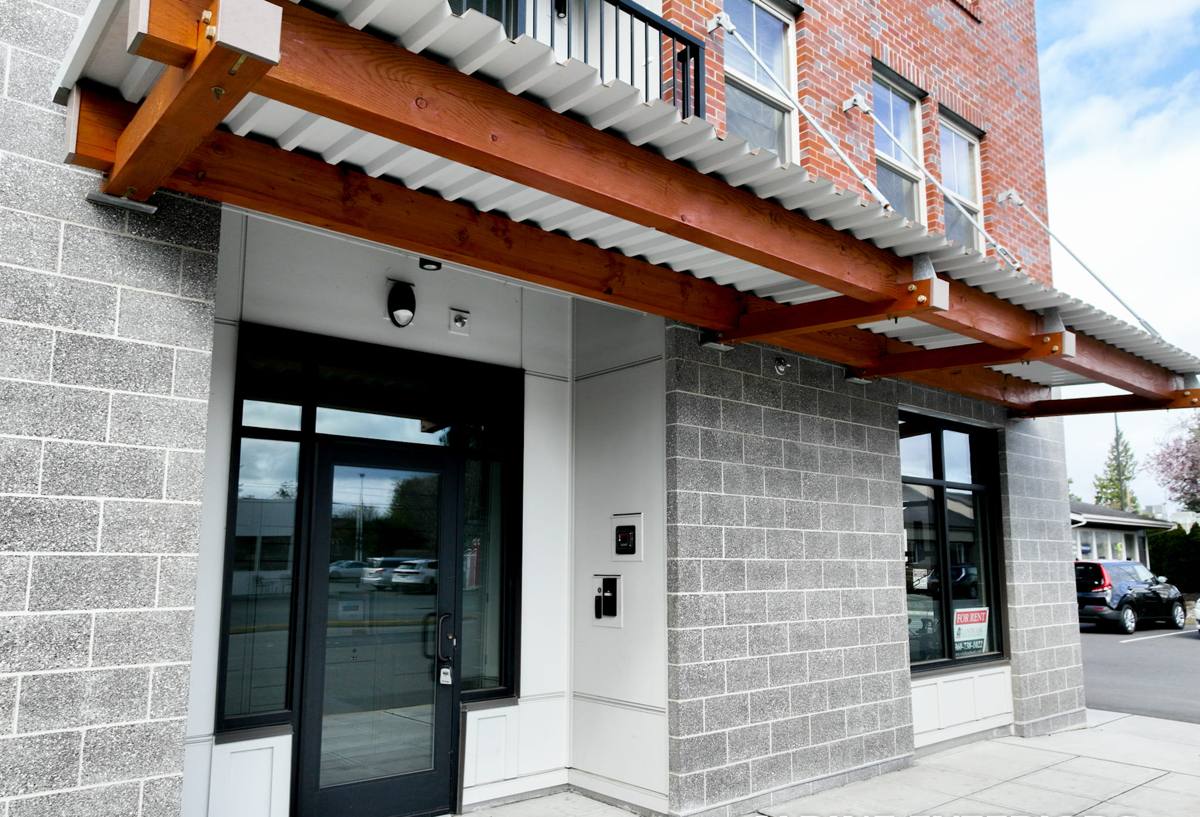
What Salt Air and Driving Rain Actually Do to Siding
It helps to be specific about the mechanisms, because "coastal wear" gets used as a vague catch-all. In Ferndale, the practical issues are:
- Salt air accelerates finish breakdown. Airborne salt is mildly corrosive and abrasive, and it settles on horizontal siding surfaces and window sills where it isn't washed off by rain. Over time it degrades paint films and caulking faster than the same product would wear in a dry inland climate.
- Wind-driven rain finds gaps. Rain that falls straight down mostly runs off a wall. Rain pushed sideways by wind gets forced into laps, seams, and fastener penetrations that a calm-weather installation might get away with leaving loose. This is a flashing and detailing problem as much as a material problem.
- Extended damp periods feed moss and algae. Ferndale's fall-through-spring stretch keeps north-facing and shaded wall sections wet for days at a time. Organic growth needs sustained moisture, and that's exactly what this climate provides on the sides of a house that don't get direct sun.
- Wood-based products absorb and swell. Products with wood content take on moisture at cut edges and swell, which is why edge sealing and correct field-cutting practice matter more here than in a dry climate.
None of this means a house can't be sided well in Ferndale — it means the material and the installation both have to account for these specific conditions rather than assuming a generic approach will hold up.
Why We Only Install James Hardie Here
James Hardie fiber cement is engineered from sand, cement, and cellulose fiber — there's no wood substrate to absorb moisture and swell at cut edges or fastener points. That's the core reason it holds up better than wood-based composite siding in a marine-influenced climate like Ferndale's. It's also non-combustible, which matters less for salt-air specifically but is part of why we standardized on it as our one product across every job.
James Hardie's ColorPlus factory finish is baked on in a controlled environment rather than field-applied, which produces a more consistent, UV- and fade-resistant top coat than site-painted siding typically achieves. In a climate where sun exposure and salt air both work against a painted finish, starting with a factory-cured coating is a real advantage, not a marketing point.
Hardie also makes climate-engineered HZ product lines specifically formulated for different regions — HZ5 is the version built for colder, wetter climates like the Pacific Northwest, with a formulation tuned for freeze-thaw and moisture cycling rather than a one-size-fits-all product. We spec HZ5 on Ferndale jobs for that reason.
What We Chose Not to Install, and Why
We don't install vinyl, LP SmartSide, Cemplank, Allura, or primed wood species like spruce or cedar. That's not a claim that these products can't work anywhere — it's that after years of exterior work in this specific climate, we standardized on one product system we can install to spec every time and stand behind with confidence. Wood-based siding products are more sensitive to cut-edge sealing and moisture management in a wet climate; vinyl can warp and doesn't offer the same fire-resistance or paint-durability profile; other fiber cement brands may be reasonable products, but we'd rather be excellent at installing one system correctly than adequate at installing several.
What a Correct Fiber Cement Installation Actually Involves
The material is only half the equation. Most fiber cement siding problems we get called to look at — anywhere, not just Ferndale — trace back to installation shortcuts, not the product itself. In a climate with driving rain, the details matter more, not less.
| Installation Detail | Why It Matters in Ferndale's Climate |
|---|---|
| Weather-resistant barrier and correct overlap | Provides the drainage plane behind the siding that sheds wind-driven rain that gets past the surface |
| Rainscreen or proper air gap where applicable | Lets moisture that does get behind the siding dry out instead of sitting against the wall sheathing |
| Flashing at windows, doors, and butt joints | Directs water forced sideways by wind away from penetrations instead of into them |
| Correct fastener type, spacing, and depth | Prevents movement and gapping at seams, which is where wind-driven rain intrudes |
| Sealed and painted cut edges | Manufacturer-required to maintain the product's moisture resistance at every field cut |
| Minimum clearance above grade, decks, and roofing | Keeps the bottom courses out of standing moisture and reduces moss and algae contact time |
Every one of these is a manufacturer specification, not a preference. Installing to spec is what keeps James Hardie's warranty valid, and it's also what actually determines whether a Ferndale home stays dry and clean-looking for decades or starts showing streaking and soft spots in a few years.
Our Process on a Ferndale Job
1. On-Site Assessment
We walk the exterior and look specifically at the sides most exposed to prevailing wind and rain, shaded areas prone to moss, and any existing moisture damage at trim, sills, or the base of the walls. This tells us where extra attention to flashing and drainage detail is needed before a single board goes up.
2. Removal and Substrate Check
Once old siding comes off, we check the sheathing and framing underneath for rot or moisture damage that's been hidden. This is common on homes where the old siding wasn't detailed correctly and water has been getting behind it for years without visible signs on the surface.
3. Weather Barrier and Drainage
We install or verify the weather-resistant barrier and drainage plane before any siding goes on. This step is invisible once the job is done, but it's the layer doing the real work of managing moisture that gets past the surface material.
4. Hardie Installation to Spec
Panels or lap siding go on with correct fastener schedule, flashing at every penetration, sealed cut edges, and proper clearances at grade, roofing, and decks — the details from the table above, applied consistently rather than selectively.
5. Final Walkthrough
We inspect the finished job for consistent reveals, tight seams, properly caulked and painted trim intersections, and clean lines before calling it complete.
Cost Factors for Ferndale Siding Projects
We don't publish fixed prices because every home is different, but the main factors that move the number on a Ferndale job are consistent enough to explain upfront:
| Factor | Why It Affects Cost |
|---|---|
| Home size and wall complexity | More corners, dormers, and roof intersections mean more flashing detail and cut time |
| Condition of existing sheathing | Hidden moisture damage found during tear-off may require repair before siding can go on |
| Siding profile chosen | Lap siding, panel systems, and shingle-style Hardie products differ in material and labor time |
| Trim and accessory scope | Full trim replacement adds cost but is often the right call when old trim is wood and deteriorating |
| Access and site conditions | Tight lots, multi-story sections, or landscaping close to the house affect labor time |
We provide a written estimate after the on-site assessment, not a phone-quote guess, because the substrate condition alone can change the scope significantly.
Maintaining Fiber Cement Siding in Ferndale's Climate
James Hardie siding is low-maintenance compared to wood, but "low-maintenance" isn't "no-maintenance," especially with a moss season this long. A simple annual routine goes a long way:
- Rinse the exterior with a garden hose (not a pressure washer aimed directly at seams) once or twice a year, focusing on shaded, north-facing walls
- Trim back vegetation and tree cover that keeps siding shaded and damp longer than necessary
- Check and re-caulk trim joints if you notice cracking or gaps, since caulk is a maintenance item even on a well-installed job
- Keep gutters clear so overflow isn't running down the siding face during heavy rain
- Watch the bottom courses near grade and decking for early moss growth and address it before it spreads
Why a Crew That Already Works Ferndale Matters
A lot of what determines whether siding performs well here isn't visible in a brochure — it's judgment calls made on-site: how much clearance to leave above a deck ledger, where to add extra flashing on a wall that catches prevailing wind, whether a shaded north wall needs a different detailing approach than the sunny south side of the same house. A crew that's worked homes throughout Ferndale and the surrounding Whatcom County coastline has already made those calls repeatedly and knows which details actually matter for this specific stretch of climate, rather than applying a generic install approach and hoping it holds up.
If you're planning a siding project in Ferndale, we're happy to walk the exterior with you, look at what your home's specific exposure and existing condition call for, and put together a straightforward, no-pressure estimate using the form below.