 Custer
 Asphalt Shingle Roofing Built for Everson's Weather
Everson sits in the Nooksack River valley in Whatcom County, close enough to the Salish Sea that the marine air, the driving winter rains, and the long grey stretches of moss season all show up on local roofs. Asphalt shingle roofing is still the most practical, cost-effective choice for most homes here, but only if it's specified and installed with this climate in mind. A shingle roof that would hold up fine in a dry inland climate can fail early in Everson if the underlayment, flashing, and ventilation weren't built for sustained wet weather and moss pressure.
This page covers what an asphalt shingle roof needs to perform in this part of Whatcom County, what a correct installation actually involves, and how we approach roofing work for homes in and around Everson.
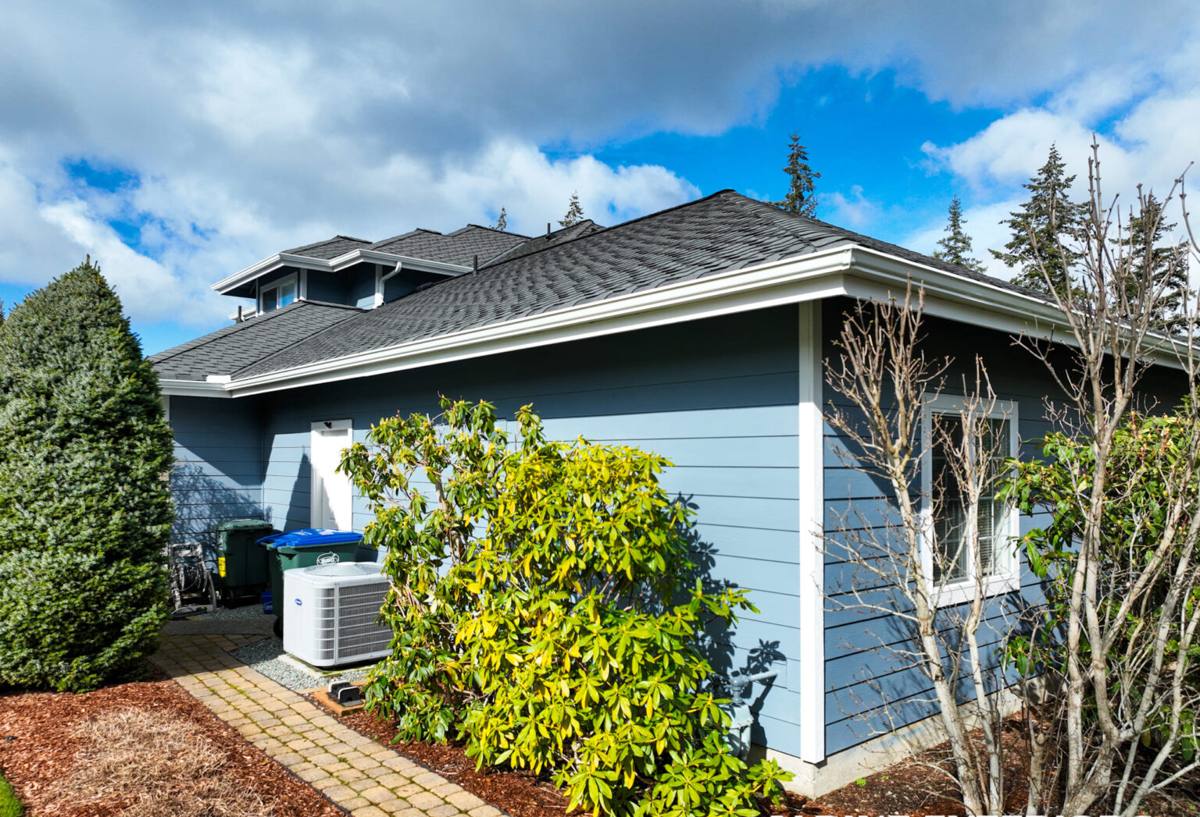
Why Everson's Climate Is Hard on Asphalt Shingle Roofs
Moss and Organic Growth
Whatcom County's long, wet shoulder seasons give moss and lichen months at a time to get established on a roof. Shingles hold moisture longer than metal or tile, and moss roots work their way under the shingle mat, lifting tabs and breaking the seal that keeps water out. Roofs that sit under trees or on north-facing slopes with less sun exposure are hit hardest, but even open, sunny roofs in this area will grow moss eventually without some intervention.
Driving Rain and Wind
Rain here rarely falls straight down. Wind off the valley and the Sound pushes rain sideways and up under shingle edges, especially at eaves, valleys, and anywhere two roof planes meet. A roof system relying on the shingles alone to shed water — without a properly lapped underlayment and correctly flashed transitions — will eventually leak, usually not in a dramatic way but as a slow stain that shows up on a ceiling months after the water started getting in.
Salt Air and Temperature Swings
Western Whatcom County's proximity to salt water means metal components on a roof — flashing, nails, vents — need to be rated for a marine-influenced environment, not just standard interior-grade hardware. Combined with the freeze-thaw swings that come with a few cold snaps each winter, low-grade fasteners and flashing corrode and loosen faster here than they would further inland, which is one more reason material choice matters as much as the shingle itself.
What a Correct Asphalt Shingle Installation Involves
A shingle roof is a system, not just a layer of shingles. Skipping or shortcutting any one part of the system is usually where the leaks that show up two or three winters later come from.
Tear-Off vs. Overlay
We tear off down to the deck on almost every job in this climate. Overlaying new shingles on top of old ones traps moisture between layers, hides deck damage that needs to be addressed, and shortens the life of the new roof. A tear-off also lets us inspect the sheathing underneath for soft spots or rot before anything new goes down — which matters more here than in drier climates, because a wet deck stays wet.
Underlayment
Synthetic underlayment, run correctly with proper laps, is the roof's real waterproofing layer — shingles are the wear layer on top of it. In valleys, at eaves, and around any penetration (chimneys, vents, skylights), we use self-adhered ice-and-water membrane, which seals around fasteners and holds up better against wind-driven rain than felt or standard synthetic underlayment alone.
Flashing
Flashing at chimneys, sidewalls, valleys, and roof-to-wall transitions is where most shingle roof leaks actually originate — not in the open field of shingles. Correct step flashing, counter-flashing, and valley metal, properly integrated with the underlayment (not just caulked over old flashing), is non-negotiable on any reroof we do.
Ventilation
Balanced intake and exhaust ventilation keeps the attic dry and temperature-stable, which protects the shingles from the underside and prevents moisture from condensing in the attic during Whatcom County's cold, damp winters. A roof can be installed perfectly and still fail early if the attic underneath it is trapping moisture.
Choosing a Shingle for This Climate
Not every asphalt shingle product is built the same, and the differences matter more in a wet, moss-prone climate than they would somewhere dry. Here's how the common options compare for a home in the Everson area:
| Shingle Type | Typical Lifespan Here | Moss Resistance | Relative Cost |
|---|---|---|---|
| 3-tab (standard) | 12–18 years | Low — no algae/moss treatment | Lowest |
| Architectural / laminate | 20–30 years | Moderate to good with algae-resistant (AR) granules | Mid-range |
| Algae-resistant premium laminate | 25–30+ years | Best available in asphalt — copper-infused granules resist growth | Higher |
| Impact-rated laminate | 25–30+ years | Good, plus added resistance to debris and hail damage | Highest |
For most Everson homes, we recommend an algae-resistant architectural shingle. The upfront cost is higher than a basic 3-tab, but the difference in how long it stays clean and sealed in this climate more than makes up for it over the life of the roof. We'll go over the specific manufacturer options and warranty terms during your estimate rather than push one brand — the right call depends on your roof's exposure, slope, and how much shade it gets.
Signs a Roof Needs Attention
Whatcom County's weather doesn't always announce roof problems clearly — a slow leak can go unnoticed for a season. Here's what we tell homeowners in this area to watch for:
- Granules collecting in gutters or at downspout outlets — a sign shingles are wearing thin
- Moss or dark streaking building up on north-facing or shaded slopes
- Shingle edges curling, cupping, or lifting, especially after windy weather
- Soft spots or sagging when walked on (we check this, not something to test yourself)
- Daylight visible through the attic roof deck, or damp insulation near the roofline
- Water stains on interior ceilings, particularly near chimneys, skylights, or valleys
- Missing or visibly damaged shingles after a windstorm
Any one of these on its own isn't necessarily an emergency, but it's worth a look before the next wet season rather than after.
Our Process, Start to Finish
- On-site inspection and estimate. We look at the current roof, the deck condition where visible, attic ventilation, and any problem areas, then give you a written estimate with no pressure to sign that day.
- Material selection. We walk through shingle options, colors, and warranty coverage based on your roof's specific exposure — not a one-size-fits-all recommendation.
- Scheduling around the weather. Roofing in Whatcom County means working around rain windows. We schedule tear-off and dry-in to happen the same day whenever possible so the deck isn't left exposed overnight.
- Tear-off and deck inspection. Old roofing comes off, and we check the sheathing for rot or soft spots before anything new goes down.
- Underlayment, flashing, and shingle installation. Ice-and-water membrane at vulnerable areas, synthetic underlayment across the field, correct flashing at every transition, then shingles installed to manufacturer spec.
- Ventilation check. We confirm intake and exhaust venting is balanced before closing out the job.
- Cleanup and magnetic nail sweep. Job site and yard cleared of debris and stray fasteners.
- Final walkthrough. We go over the finished roof with you and answer any questions before calling the job complete.
Maintaining a Shingle Roof in Whatcom County
A well-installed shingle roof still needs some upkeep in this climate to hit its full lifespan. A few habits go a long way:
- Keep gutters clear so water isn't backing up under the eaves during heavy rain
- Trim back overhanging branches to cut down on shade, debris, and moss growth
- Have moss treated or gently removed before it builds up thick enough to lift shingles
- Schedule a roof check after any major windstorm, not just on a fixed yearly schedule
- Address small leaks or missing shingles promptly rather than waiting for the next dry stretch
Repair or Replace?
Not every roof problem in Everson means a full replacement. If the roof is under 15 years old, the deck is sound, and the damage is localized — a section of storm damage, a failed flashing detail, a few compromised shingles — a targeted repair is usually the right call and the more cost-effective one. Replacement makes more sense when the shingles are broadly worn across the whole roof, the deck has moisture damage in multiple areas, or repairs would end up costing a meaningful fraction of a full reroof anyway. We'll give you a straight answer on which situation you're in rather than defaulting to the bigger job.
Why It Matters to Hire a Crew That Already Works in Everson
Roofing crews that mainly work drier climates sometimes install to a generic spec that doesn't hold up to sustained Pacific Northwest rain and moss pressure. A crew that regularly works Whatcom County roofs already knows which flashing details fail first in this weather, which shingle lines actually perform against moss here, and how to schedule tear-off around a valley that can turn wet with little warning. That local experience shows up in fewer callbacks and a roof that's still performing well a decade or more later — not just in how the job looks the day it's finished.
If you're weighing a repair, a full reroof, or just want a straight assessment of where your roof stands, we're glad to come take a look. Reach out for a free, no-pressure estimate using the form below.