 Custer
 Cherry Point's Climate Is Hard on Windows in Specific Ways
Cherry Point sits close enough to the water that salt-laden air is a daily fact of life, not an occasional storm event. Add Whatcom County's long, wet fall-through-spring stretch and the moss and algae growth that comes with it, and you've got a combination that wears out windows faster than it does in drier inland parts of the state. This isn't a scare story — it's just what marine-influenced climates do to building materials over years of exposure.
Three things drive most of the window problems we see out here: salt air accelerating corrosion on hardware and fasteners, wind-driven rain finding any weak point in flashing or sealant, and near-constant moisture that keeps sills, sashes, and trim damp longer than they'd stay in a drier climate. None of that is unusual or alarming — it's just the baseline a window has to be built and installed to handle if it's going to last.
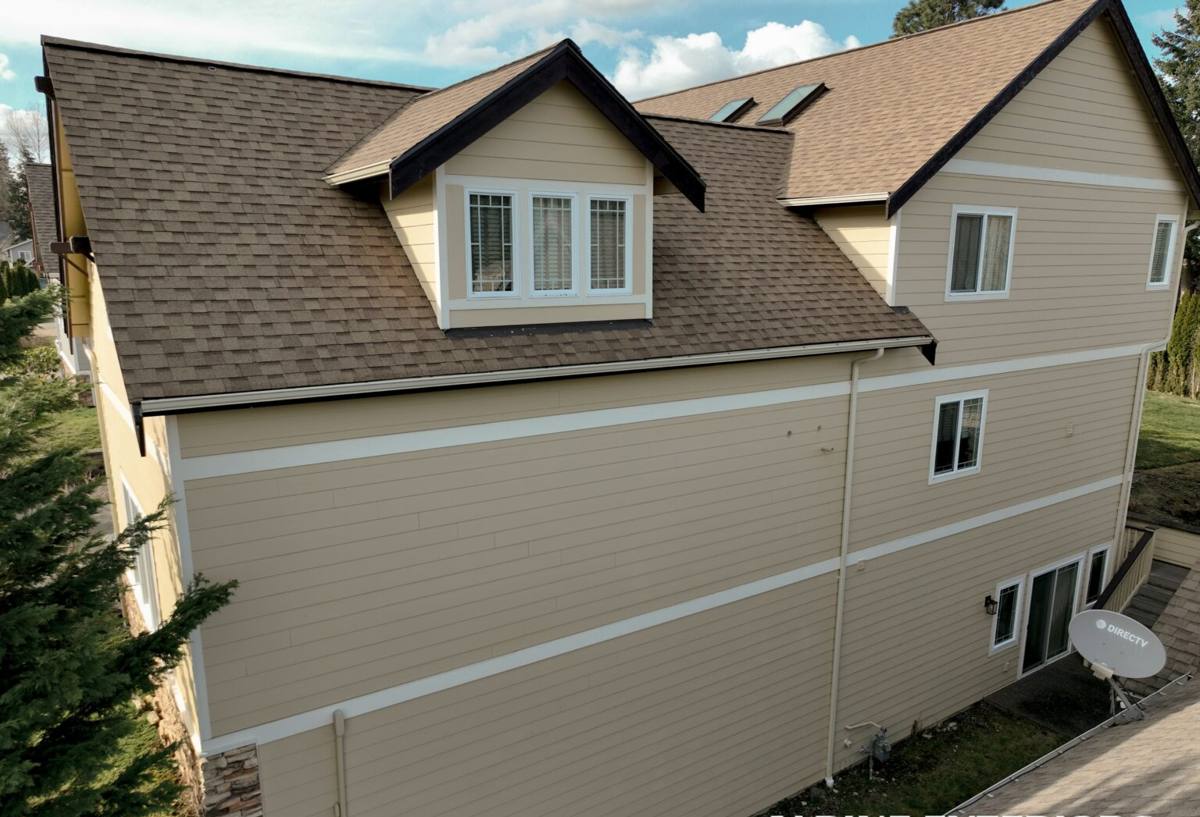
Signs a Cherry Point Home's Windows Are Losing the Fight
Most window failure out here doesn't happen all at once. It shows up gradually, and homeowners often live with it for a year or two before deciding to deal with it. Here's what we typically hear about or find during an inspection:
- Cloudy or fogged glass between the panes — a sign the seal on a dual-pane unit has failed and moisture has gotten between the layers
- Sashes that stick, drag, or won't stay up without a prop, often from swollen wood or corroded hardware
- Visible green or black growth on the exterior sill, trim, or lower frame corners
- A draft you can feel with your hand near the frame edge on a windy day
- Soft or discolored wood at the bottom corners of the frame or sill — usually the first place rot shows up
- Metal hardware (latches, hinges, cranks) that's pitted, rusted, or hard to operate
- Noticeably higher heating bills in winter with no other obvious cause
Any one of these on its own might not mean much. Two or three together, especially on the weather-facing side of the house, usually mean the window has been fighting the climate for a while and is losing.
What a Correct Custom Window Job Actually Involves
"Custom" doesn't just mean a non-standard size — though a lot of Cherry Point homes do have older, oddly-sized openings that off-the-shelf windows won't fit cleanly. It means the window, the flashing, and the installation method are all matched to the specific opening and the specific exposure that opening faces. A window on the weather side of a house near open water needs more attention to flashing detail than the same window on a sheltered wall, even if they're the same product.
Frame Material: What We Recommend and Why
Frame material matters more here than in a lot of the state, because salt air and constant moisture punish some materials faster than others. We install what fits the home and the budget, but here's the honest tradeoff breakdown we walk homeowners through:
| Material | How it holds up in salt air / high moisture | Maintenance | Typical cost tier |
|---|---|---|---|
| Vinyl | Good — won't rust or rot, but can become brittle over many years of UV and salt exposure | Low — occasional cleaning | Lower |
| Fiberglass | Excellent — very stable, resists corrosion and doesn't expand/contract much with temperature | Low | Higher |
| Wood-clad | Good on the exterior if the cladding is sound, but any breach lets moisture into the wood core | Higher — needs the cladding and seals checked periodically | Higher |
| Aluminum | Weakest choice here — aluminum conducts cold and is prone to corrosion pitting near salt air over time | Moderate | Lower to moderate |
We don't push one material on every job. A vinyl window installed correctly with good flashing will outlast a premium window installed poorly. But for homes with direct, unshielded exposure toward the water, we do steer people away from aluminum frames and toward vinyl or fiberglass, and we'll say so plainly rather than let a homeowner find out the hard way five years in.
Glazing and Weatherization Details That Matter Here
For Cherry Point specifically, a few glazing and sealing choices earn their keep:
- Dual-pane (or triple-pane on especially exposed walls) glazing with a warm-edge spacer, which resists seal failure from constant temperature and moisture cycling better than older metal spacers
- Low-E coatings, which help with both winter heat retention and the glare off open water on clear days
- Corrosion-resistant hardware — stainless or coated fasteners and hinges instead of standard steel, which pits quickly in salt air
- A properly lapped flashing system (not just caulk) at the head, jambs, and sill, so wind-driven rain has a drainage path instead of a place to collect
Sealant alone is never the answer to keeping water out of a window opening. Caulk fails; flashing that's installed to shed water downward and outward doesn't depend on a bead of sealant staying perfect for twenty years.
How Our Process Works
- On-site inspection — we look at existing window condition, framing, exposure direction, and any signs of moisture damage already present around the opening
- Honest assessment — we tell you which windows genuinely need replacement, which could reasonably wait, and why, rather than upselling a full-house job when it's not warranted
- Measurement and product selection — sizing the opening precisely (especially important on older or custom-sized Cherry Point homes) and matching frame material, glazing, and hardware to that wall's actual exposure
- Removal and inspection of the opening — once the old window is out, we check the sill, jambs, and sheathing for hidden rot or moisture damage before anything new goes in
- Correct flashing and installation — proper flashing sequence, shimming, insulation, and air sealing around the new unit, not just caulk and trim
- Final check and walkthrough — operation, seal, and finish check before we call the job done
That fourth step — checking what's behind the old window — is one people skip when they're in a hurry, and it's exactly where problems in a marine climate tend to hide. Finding soft sheathing or a slow leak before it's covered back up saves real money down the line.
What Drives the Cost of a Window Job Out Here
| Factor | Why it matters in Cherry Point |
|---|---|
| Frame material | Fiberglass and quality vinyl cost more upfront but hold up better against salt air over time |
| Number and size of openings | Larger or custom-sized windows (common in older homes) cost more to source and install than standard sizes |
| Condition behind the old window | Hidden rot or water damage found during removal adds repair work before the new window can go in |
| Exposure and flashing complexity | Weather-facing walls need more careful, more labor-intensive flashing work than sheltered walls |
| Glazing package | Low-E coatings and triple-pane options add cost but pay back in comfort and lower heating bills |
We're not going to quote a number here that means nothing without seeing the actual openings — costs vary too much by size, count, and condition to be honest about a fixed range. What we will do is give you a written, itemized estimate after a walkthrough, so you know exactly what you're paying for and why.
Why It Matters That We Already Work Cherry Point
A crew that's replaced windows on homes with this exact exposure — same wind direction, same salt air, same moss patterns — isn't guessing at what will hold up. We've seen which flashing details actually keep water out on a weather-facing wall, which hardware pits early in this air, and which frame choices age well versus which ones become a maintenance headache. That's not something you get from a general contractor who does one job in the area and moves on.
It also means we're not learning your climate on your dime. A contractor unfamiliar with marine exposure might install a perfectly good window with a generic sealant-only approach that works fine in a drier climate and fails here within a few winters. We build for the exposure your home actually faces.
Maintenance That Extends the Life of New Windows
A correctly installed window in this climate still benefits from basic upkeep. It's not a lot of work, but skipping it shortens the window's life:
- Rinse salt residue off frames and glass a few times a year, especially after windy weather off the water
- Keep moss and algae wiped or brushed off sills and lower frame areas before it spreads or holds moisture against the surface
- Check weep holes (the small drainage openings at the bottom of the frame) periodically to make sure they're not clogged with debris or moss
- Look at exterior caulk lines once a year and touch up any that have cracked or pulled away
- Operate hardware occasionally through the wet season so hinges and latches don't seize up
None of this requires a professional visit every year — it's the kind of thing that takes twenty minutes a couple times a year and meaningfully extends how long a window performs well.
If you're dealing with drafty, fogged, or sticking windows on a Cherry Point property, or planning ahead before the next wet season sets in, we're happy to take a look. Estimates are free, there's no pressure, and you'll get a straight answer about what actually needs doing — use the form below to get started.