 Custer
 Window Replacement Built for Sumas Conditions
Sumas sits in one of the wetter corners of Whatcom County, and the windows on a home here do more work than most homeowners realize. Between marine air pushing in off the Salish Sea, driving rain that comes in sideways during fall and winter storms, and a moss season that seems to stretch longer every year, window frames, sills, and seals take a steady beating. A window that would hold up fine in a dry climate can fail early here if it isn't installed with this specific weather pattern in mind.
Window replacement isn't just a cosmetic upgrade. Done right, it's one of the more effective ways to stop moisture problems at the source, cut down on drafts, and keep a home comfortable through the wet months without fighting condensation on the glass every morning. Done wrong — with the wrong flashing detail, a rushed seal, or a window that isn't rated for this much sustained moisture exposure — it can create bigger problems than the ones it was meant to fix.
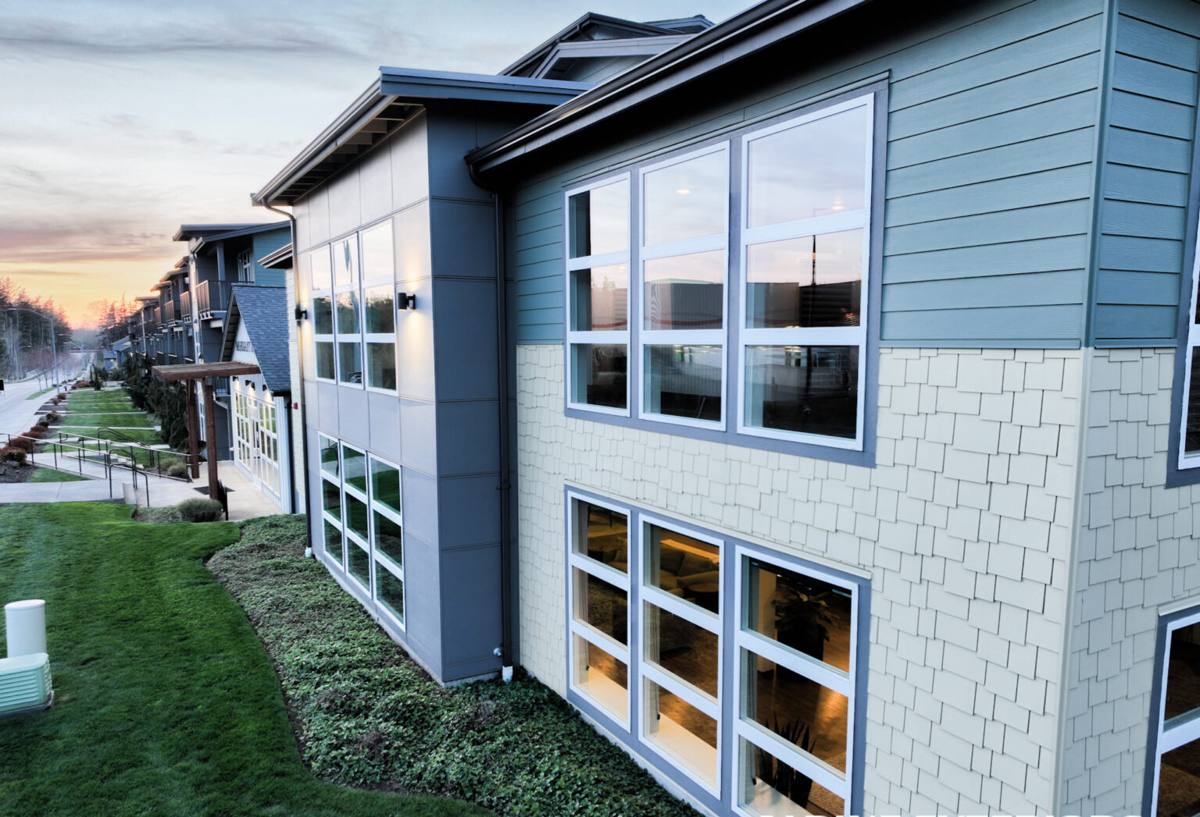
Signs a Sumas Home Needs New Windows
Windows rarely fail all at once. They show warning signs first, and in this climate those signs tend to show up as moisture problems before they show up as comfort problems.
What to Watch For
- Fogging or a milky haze between panes on double-pane windows — a sign the seal has failed and the insulating gas has escaped
- Soft, discolored, or spongy wood at the sill or bottom corners of the frame
- Moss or dark green growth on the exterior sill, casing, or the siding directly around the window
- Drafts you can feel with a hand near the frame on a windy day
- Difficulty opening, closing, or locking the window, especially after the frame has swelled from moisture
- Visible daylight or gaps between the frame and the surrounding wall from outside
Any one of these on its own might just mean a repair. Several of them together on the same window, especially on north- or west-facing walls that catch the worst of the weather, usually mean the window has reached the end of its useful life.
What a Correct Window Replacement Actually Involves
Swapping a window sounds simple, but the parts that determine whether it lasts fifteen years or thirty happen where you can't see them once the trim goes back on.
Removal and Inspection
Before a new window goes in, the old one comes out carefully so we can see the condition of the rough opening. In a climate this wet, it's common to find some degree of hidden moisture damage to the framing or sheathing around older windows, especially ones that were never properly flashed to begin with. That framing needs to be sound, repaired, or replaced before anything new goes in — otherwise you're sealing a problem behind a nice new window instead of fixing it.
Flashing and Weather Barrier Integration
This is the step that matters most for a home dealing with driving rain. The window needs to be integrated into the home's weather-resistive barrier with proper flashing at the sill, jambs, and head, layered so that water is always directed outward and downward — never trapped behind the siding. A window that's caulked in without correct flashing will usually look fine for a year or two before moisture starts working its way in behind it.
Insulation and Air Sealing
The gap between the new window frame and the rough opening gets sealed with an appropriate low-expansion insulating material, not just stuffed with whatever's on hand. Overfilled gaps can bow the frame; underfilled gaps leave a cold, drafty edge that shows up as a chilly spot near the window all winter.
Interior and Exterior Finish
Trim, sill work, and caulking get finished out to match the home, and every exterior joint gets sealed with a caulk rated for sustained wet exposure — not a bargain product that will crack and let water back in within a couple of seasons.
Choosing the Right Window for This Climate
There's no single "best" window for every home, but there are real trade-offs worth understanding before you pick one, especially in an area that sees this much sustained moisture.
| Frame Material | Moisture Behavior | Maintenance | Typical Trade-Off |
|---|---|---|---|
| Vinyl | Won't rot or corrode; handles wet climates well | Low — occasional cleaning | Limited color options; can look less premium on higher-end homes |
| Fiberglass | Very stable in wet, temperature-swinging conditions; minimal expansion/contraction | Low | Higher upfront cost than vinyl |
| Wood | Attractive but vulnerable to rot if any seal fails | High — regular repainting/resealing | Best suited to covered or protected wall sections |
| Wood-clad (wood interior, metal or vinyl exterior) | Exterior face resists moisture; interior keeps traditional look | Moderate | Cladding seams need careful installation to stay watertight |
| Aluminum | Durable but conducts cold and can condense heavily | Low | Poor insulator unless thermally broken |
Glass Packages
Double-pane windows with a low-E coating are the standard baseline for this region and perform well for most homes. Triple-pane adds another layer of insulation and sound dampening, which some homeowners value on busier roads or larger north-facing walls, but it comes at extra cost and weight. For most Sumas homes, a quality double-pane, low-E, argon-filled unit strikes the right balance between performance and cost — we'll talk through whether triple-pane makes sense for your specific walls and exposure.
Our Window Replacement Process
- On-site assessment — we look at every window being considered, check the framing condition, and note exposure (which walls take the worst weather)
- Measurement and product selection — exact measurements are taken and we walk through frame material and glass options based on that specific opening
- Ordering — windows are ordered to spec; lead times vary by manufacturer and season
- Removal — old windows come out, and the opening is inspected for hidden damage before anything new goes in
- Installation — new window set, shimmed level and plumb, flashed and sealed to the weather barrier
- Insulation and finish — gaps sealed, trim and caulking finished on both interior and exterior
- Walkthrough — every window is opened, closed, and locked to confirm smooth operation before we consider the job done
Cost Factors for Window Replacement
Every home is different, so we won't quote a number without seeing the job, but these are the factors that actually move the price up or down.
| Factor | Why It Matters |
|---|---|
| Number and size of windows | More or larger openings mean more material and labor |
| Frame material | Vinyl is typically the most budget-friendly; fiberglass and wood-clad cost more upfront |
| Glass package | Triple-pane and specialty coatings add cost over standard double-pane low-E |
| Condition of the rough opening | Hidden rot or framing damage found during removal adds repair time before install |
| Accessibility | Second-story or hard-to-reach windows take more time and equipment |
| Trim and siding tie-in | Matching existing trim profiles or repairing siding around the opening adds labor |
| Disposal | Hauling and disposing of old windows is typically included but varies by volume |
Why a Crew That Already Works in Sumas Makes a Difference
Window replacement in this part of Whatcom County isn't quite the same job as it is in a drier inland climate. A crew that regularly works Sumas and the surrounding area already knows which walls on a given lot orientation take the worst of the driving rain, how much moisture damage is typical to find once an old window comes out, and which flashing details actually hold up through a full wet season rather than just looking good on installation day.
That familiarity also means fewer surprises. We're not guessing at how a house in this area was likely built or what condition the framing is probably in behind older windows — we've seen it, repeatedly, and we plan for it. It also means we're around after the job is done. If a question comes up once the rain really sets in, you're calling a crew that's still local and still reachable, not a company that worked the area once and moved on.
Living With New Windows Through a Whatcom County Winter
A properly installed window shouldn't need much from you, but a little seasonal attention keeps it performing the way it should for years.
- Wipe down sills and tracks periodically to prevent moss and algae from getting a foothold in wet months
- Check exterior caulking once a year, ideally before the fall rains start, and touch up anything that's cracked or pulled away
- Keep gutters and downspouts clear so runoff isn't sheeting directly down the wall and across window heads
- Trim back vegetation that holds moisture against the exterior wall near windows
- Operate locking hardware a few times through the winter — locks that seat firmly help maintain the compression seal that keeps drafts and moisture out
- If you notice fogging between panes or a new draft, address it early rather than waiting — seal failures don't fix themselves
If your windows are showing their age or you're just tired of fighting drafts and condensation every winter, we're happy to take a look and give you a straightforward, no-pressure estimate. Use the form below to get started.