 Custer
 Siding Replacement in Lynden: What This Climate Actually Demands
Lynden sits in the same weather pattern as the rest of Whatcom County — long wet winters, driving rain that comes in sideways off frequent windstorms, and a moss season that can stretch from October well into spring. Add in the salt-tinged air that moves inland off the Salish Sea on a regular basis, and you've got a combination that's harder on exterior siding than most homeowners realize until they're dealing with the damage. Siding here isn't just cosmetic. It's the single layer standing between your framing and months of near-constant moisture exposure.
That's why siding replacement in Lynden isn't a project to treat like a paint job. It's a systems decision — what the siding is made of, how it's installed, how it handles water at every seam and penetration, and whether it can shrug off a wet Pacific Northwest winter year after year without inviting rot behind it.
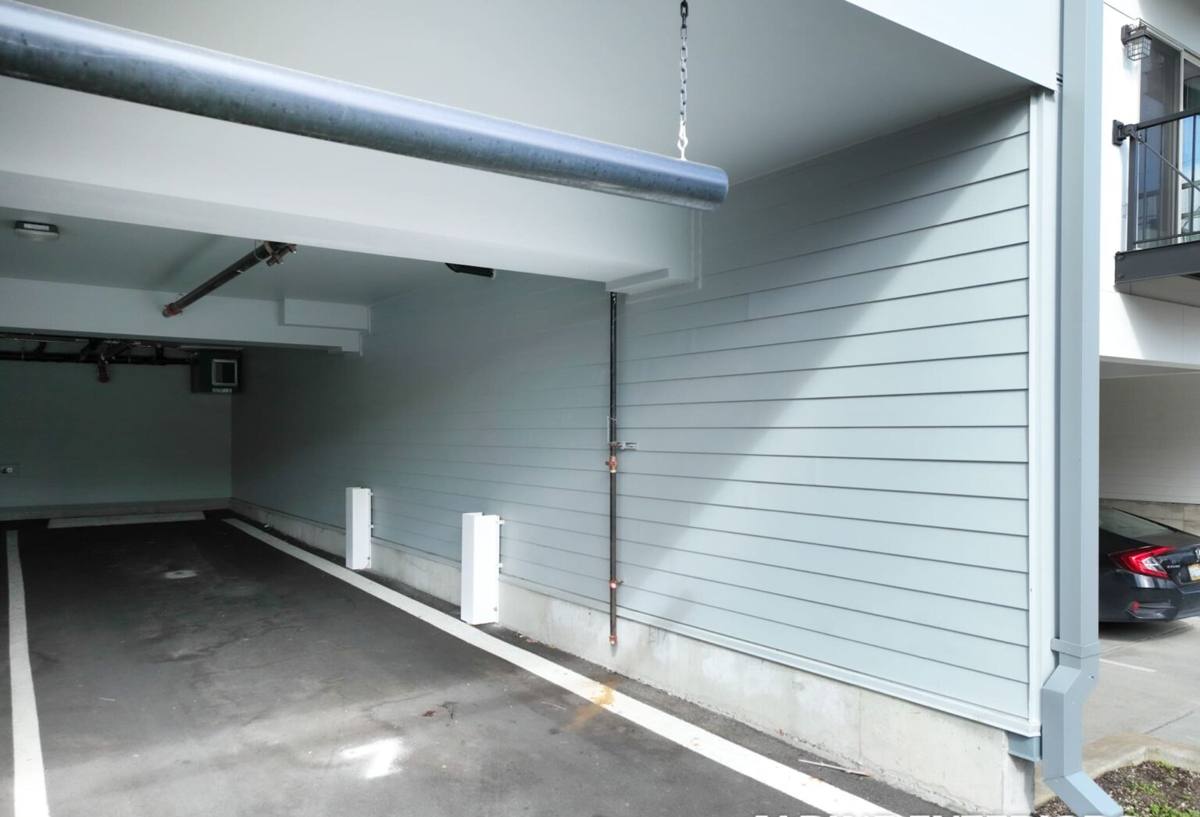
Signs Your Lynden Home Needs Siding Replacement, Not Just a Patch
A lot of siding problems in this area get patched instead of properly addressed, which usually just delays a bigger repair. Here's what tells us a home actually needs replacement rather than a spot fix:
- Soft or spongy spots when you press on the siding, especially near the bottom courses or around window trim
- Persistent moss or algae growth that comes back within weeks of cleaning
- Visible warping, buckling, or cupping on wood-based or engineered wood panels
- Paint that won't hold — bubbling, peeling, or needing repainting every 3-4 years instead of the usual 8-10
- Gaps opening up at seams, corners, or trim boards that weren't there a few years ago
- A musty smell along interior walls that back up to exterior siding
Any one of these on its own might be a minor fix. Several together, especially on a home over 15-20 years old, usually means the underlying material or the original install has reached the end of what it can handle in this climate.
Why Moss Season Matters More Than People Think
Moss doesn't just look bad — it holds moisture directly against the siding surface for weeks at a time. On materials that aren't dimensionally stable or that absorb water at the edges, that constant damp contact accelerates rot and finish failure. In Lynden's moss season, siding that can't shed water quickly and dry out between rain events is siding that's aging faster than it should.
Why We Install Only James Hardie Fiber Cement Here
We don't install vinyl, LP SmartSide, primed spruce, cedar, or other fiber cement brands like Cemplank or Allura. That's a deliberate standard, not a sales pitch, and it comes directly from what holds up in Whatcom County weather.
Wood-based products — cedar, primed spruce, and engineered wood siding like LP SmartSide — can perform well in drier climates, and they have real advantages in appearance and cost. But they depend on an intact factory finish and flawless field caulking to keep water out at every cut edge and seam. In a climate with this much sustained rain and moss growth, any small failure point becomes an entry route for moisture, and once water gets behind wood-based siding, rot spreads before it's visible from outside. Vinyl sidesteps the rot issue but has its own trade-offs — it can warp or distort with temperature swings, fades over time with no way to refinish it short of replacement, and its seams and J-channels give driving rain more places to work behind the panel over the years.
James Hardie fiber cement is non-combustible, doesn't rot, and is engineered specifically for climates like ours — the HZ5 product line is built for exactly this kind of freeze-thaw and moisture cycling. The ColorPlus factory finish is baked on and warrantied against peeling and cracking far longer than field-applied paint holds up, which matters when you're not repainting siding every few years in a climate that punishes finishes. It's also heavier and more dimensionally stable, so it doesn't telegraph every seasonal expansion and contraction the way vinyl or wood can.
What a Correct Siding Replacement Job Actually Involves
Replacing siding well is mostly about what happens before the new panels ever go up. A rushed tear-off and reinstall is how homes end up with the exact same moisture problems five years later, just hidden behind new material.
Tear-Off and Sheathing Inspection
Every full replacement starts with removing the old siding down to the sheathing and actually looking at what's underneath. In Lynden, this is where we most often find the real story — soft sheathing around old window flashing, rot at the bottom plate, or trim that was never properly flashed to begin with. This step gets skipped by crews trying to move fast, and it's the single biggest reason siding jobs fail early.
Weather-Resistive Barrier and Flashing
A correctly installed water-resistive barrier, with properly lapped and taped seams, is what actually keeps bulk water out of the wall assembly — the siding itself is the first line of defense, not the last. Window and door flashing needs to integrate with that barrier in the right shingle-lap order so water sheds down and out, never behind the barrier. This detail work is invisible once the job is done, which is exactly why it's worth asking about before hiring anyone.
Installation to Manufacturer Spec
James Hardie has specific fastening patterns, clearances, and caulking requirements, and following them is what keeps the warranty valid and the siding performing as designed. That includes proper clearance at grade and roof lines, correct nail placement and depth, and factory-recommended gaps at butt joints to allow for material movement.
Our Process for a Lynden Siding Replacement
- On-site assessment — we walk the exterior, check for soft spots, look at trim and flashing condition, and talk through what we find
- Written estimate — scope, material, and cost laid out clearly, no surprise add-ons buried in fine print
- Tear-off and sheathing check — old siding comes off, sheathing gets inspected and repaired where needed before anything new goes up
- Barrier and flashing install — weather-resistive barrier and flashing details done to spec, checked before siding covers them up
- James Hardie installation — panels, trim, and accessories installed to manufacturer fastening and clearance requirements
- Final walkthrough — we go over the finished job with you before calling it done
Nothing here is unusual — it's just the steps done in the right order, without skipping the parts that don't show up in a quick visual inspection after the job's finished.
Cost Factors for Siding Replacement in Lynden
Every home is different, but the variables that move the price are consistent. Rather than quote a number that won't match your specific house, here's what actually drives cost up or down:
| Factor | Why It Matters |
|---|---|
| Sheathing condition | Rot found during tear-off means repair or replacement before new siding can go on — this is the most common source of scope changes |
| Home size and complexity | More corners, gables, and trim detail means more labor and material waste factor |
| Siding profile | Lap siding, panel systems, and shingle-style Hardie products differ in material and install time |
| Trim and accessory scope | Full trim replacement alongside siding costs more upfront but avoids mismatched old trim against new siding |
| Access and site conditions | Multi-story sections, tight lot lines, or landscaping that limits staging can add labor time |
We walk through these specifics during the on-site estimate so you know exactly what's driving your number, not just a bottom-line figure.
Why a Crew That Already Works Lynden Matters
A lot of siding problems we see in Lynden trace back to installers who don't build for this specific climate — either out-of-area crews unfamiliar with how much rain and moss exposure this area gets, or installers using fastening and flashing details that work fine in a drier climate but fall short here. Being based in Custer means we're working on homes in this weather pattern constantly, and we see how different materials and installation details actually hold up over years, not just what looks good on install day.
That local pattern recognition matters most in the details that don't show up on a spec sheet — how much clearance to leave at grade given how wet the ground stays here, which flashing sequences actually shed water in sustained driving rain, and where moss tends to establish itself first on a given elevation. It's the difference between a job that looks right when it's finished and one that's still performing correctly in year twelve.
Maintaining Your New Siding in a Wet Climate
James Hardie fiber cement is low-maintenance compared to wood or vinyl, but "low-maintenance" doesn't mean "no maintenance," especially with Lynden's moss season working against you every year. A little attention keeps it performing the way it's designed to:
- Rinse siding down once or twice a year to clear pollen, dust, and early moss growth before it establishes
- Keep gutters clear so overflow doesn't run down the siding face repeatedly during heavy rain
- Trim back shrubs and trees so foliage isn't holding moisture against the siding surface
- Check caulking at trim joints and penetrations every couple of years and touch up as needed
- Address any impact damage or chips in the ColorPlus finish promptly to prevent moisture intrusion at that spot
None of this is labor-intensive, but skipping it entirely is how even good siding ages faster than it should in this climate.
Get a Straight Answer on Your Lynden Home
If your siding is showing signs of wear, or you're just planning ahead before it becomes an urgent repair, we're happy to take a look and give you an honest read on what your home actually needs. Reach out for a free, no-pressure estimate — we'll walk the exterior with you, point out what we find, and lay out your options in plain terms using the form below.