 Custer
 Why Composite Decking Fits Semiahmoo's Coastal Climate
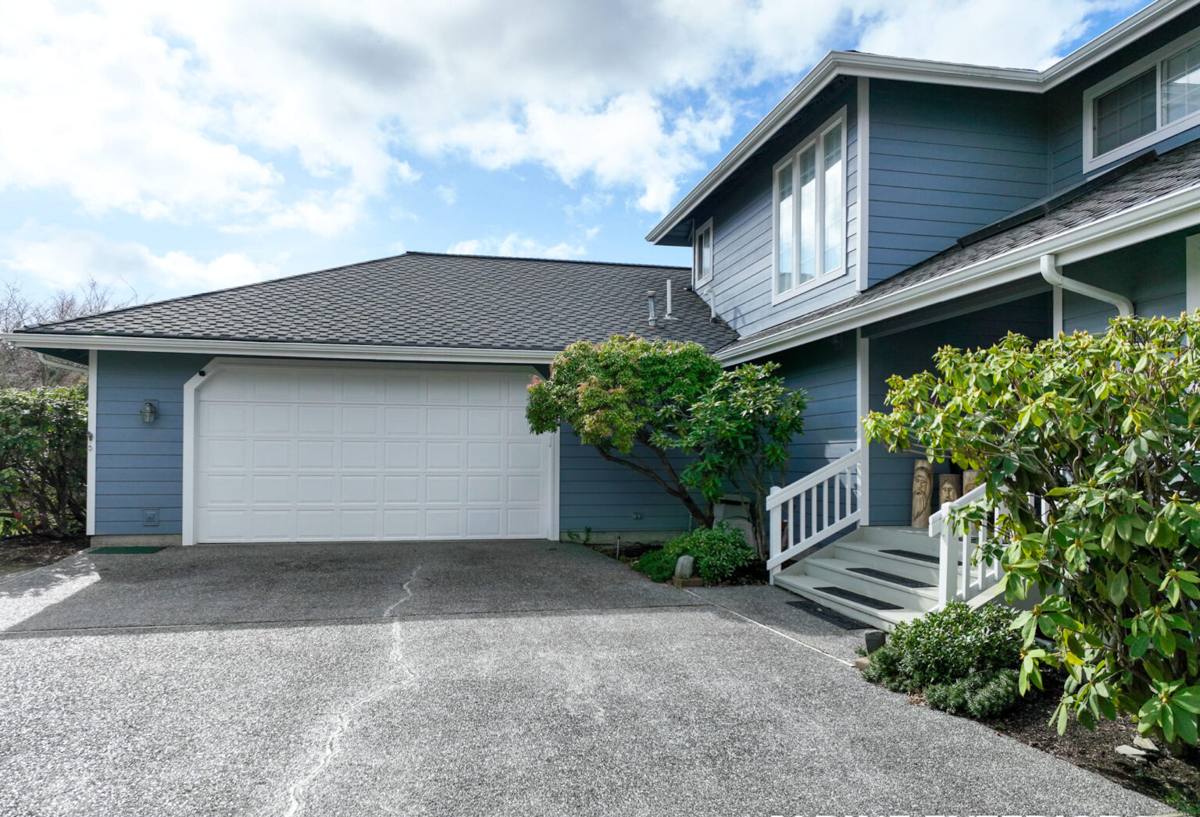
Semiahmoo sits right on the water, and homes here take a different kind of weathering than the same house would ten miles inland. Salt-laden air rolls in off the bay and settles on every exposed surface, driving rain comes in sideways for months at a stretch, and the mild, shaded winters give moss and algae a long season to get established on anything horizontal. Wood decking in this environment needs re-staining and sealing every year or two just to hold its own, and any gap in that schedule shows up fast as splitting, cupping, or soft spots underfoot. Composite decking was built for exactly this kind of exposure — it doesn't need annual sealing, it won't rot from the inside out, and the color runs through the cap instead of sitting on top waiting to peel. That's why composite has become the default choice for new decks and deck replacements on this stretch of the Whatcom County coastline.
What Salt Air, Rain, and Moss Actually Do to a Deck Here
Salt Air and Hardware
The fasteners, brackets, and flashing holding a deck together take more abuse from salt air than the decking boards themselves ever will. Standard zinc-coated screws and joist hangers can start showing rust streaks within a couple of seasons this close to the water, well before the composite boards show any wear at all. Once a fastener starts corroding it weakens, and a weakened fastener in a structural connection is not something you want to find out about by feel, on a rainy night, with weight on the deck.
Standing Water and Rot at the Frame
Composite boards themselves don't rot, but almost every deck still has a wood-framed substructure underneath — joists, beams, posts — and that frame is exactly as vulnerable to Pacific Northwest rain as any other piece of lumber. A deck built without enough slope, without gaps between boards for water to drain through, or without proper flashing where it meets the house will trap moisture against that frame long after the surface looks bone dry. That's where deck failures actually begin, and it's almost never visible until the damage is well along.
Moss and Algae on the Surface
Composite decking resists staining and won't feed rot the way wood does, but it isn't immune to surface growth. In shaded corners, under overhangs, or on the north side of a house, algae and moss can take hold on any decking material if debris and moisture are left to sit, and a long, damp Whatcom County winter gives them plenty of time to do it. The fix isn't a different material — it's correct board spacing that lets air move underneath, combined with periodic cleaning.
What a Correct Composite Deck Build Actually Involves
The Substructure Comes First
A composite deck is only as good as what's underneath it. We check joist spacing against the manufacturer's span tables for the specific board being installed — composite decking often calls for tighter joist spacing than the old 16-inch standard used for wood, especially on diagonal or angled layouts. On a rebuild, we inspect the existing framing directly rather than assuming it's sound because the old boards looked fine on top.
Fasteners and Hardware Rated for Marine Exposure
For anything on or near the water in Semiahmoo, we use stainless steel or marine-grade coated fasteners and structural hardware, not the standard-grade materials that hold up fine on an inland deck. It costs a bit more up front. It's cheap insurance against the corrosion that otherwise shows up in year three or four instead of year fifteen.
Ledger Flashing and Water Management
Where the deck attaches to the house, the ledger board and its flashing are the single most common source of hidden water damage on any deck, wood or composite. We flash that connection to shed water away from the house framing, not toward it, and we don't skip this step to save an hour — it's the part of the job nobody sees again once the boards go down, which is exactly why it has to be right the first time.
Spacing, Gapping, and Airflow
Manufacturers specify a gap between boards for expansion and drainage, and we follow it — not tighter for a cleaner look, not wider to stretch material. We also hold proper clearance between the decking and the ground or any skirting below so air can actually move through the substructure, which is what keeps moss and mildew from building up underneath where nobody's cleaning.
Where Decking Meets the House: The Detail Most Contractors Miss
Because siding is our main trade, we look at the ledger-to-house connection differently than a deck-only crew might. That joint has to tie into the home's weather-resistive barrier and siding correctly, not just get caulked and covered. A deck flashed without regard for how the siding above it sheds water can push moisture behind the wall assembly instead of away from it — a problem that often isn't discovered until siding or trim starts failing in that exact spot years later. Because we install and repair siding on these same homes, we build the deck-to-house transition to work with the wall system, not against it, and we can flag and fix any siding or trim issues we find at that connection point while we're already there.
Choosing the Right Composite Board for a Semiahmoo Lot
There isn't one "best" composite board for every home — the right choice depends on sun exposure, how close the deck sits to the water, and how much upkeep you actually want to do. Here's how the main categories compare for a coastal Whatcom County property:
| Decking Type | Moisture & Salt Resistance | Maintenance | Typical Cost Range* | Best Fit |
|---|---|---|---|---|
| Capped composite | High — protective shell resists moisture and staining | Low, occasional wash | $$–$$$ | Most Semiahmoo homes, everyday use decks |
| PVC decking | Highest — fully synthetic, no wood fiber core | Low | $$$ | Full sun/waterfront exposure, pool surrounds |
| Uncapped wood-plastic composite | Moderate — surface can absorb some moisture over time | Moderate, periodic cleaning | $$ | Budget-conscious builds, covered or protected decks |
| Natural wood | Low in this climate without upkeep | High — annual sealing and staining | $ | Homeowners committed to a wood look and its maintenance |
*Actual pricing depends on board width, color, railing system, and site conditions — we'll give you real numbers for your project during the estimate, not a generic per-square-foot guess.
Permits and Waterfront Considerations in Whatcom County
Because Semiahmoo sits along the shoreline, some properties here fall under Whatcom County's shoreline management rules in addition to standard building permits — setback and buffer requirements can apply that wouldn't come up on a deck a few miles inland. We check this during the estimate, before any material is ordered, so there are no surprises partway through the project. If a permit is required, we handle the application and coordinate the inspection as part of the job, not as an extra step you have to manage yourself.
Our Process, Start to Finish
- Site visit — walk the site, assess sun, wind, and water exposure, inspect existing framing on a rebuild, and measure for the actual layout.
- Material selection — walk through composite options based on exposure and budget, not the highest-margin product on the truck.
- Permit check — confirm whether county or shoreline permitting applies and handle the paperwork if it does.
- Framing and prep — repair or build the substructure to span tables, install ledger flashing, set fasteners rated for the exposure.
- Decking installation — hidden-fastener systems where appropriate, correct board gapping, and any picture-framing or trim detail you've asked for.
- Final walkthrough — check level and secure railings, clean the site, and go over the manufacturer's warranty and care requirements with you.
Maintaining a Composite Deck Through Moss Season
Composite decking cuts maintenance dramatically compared to wood, but "low-maintenance" isn't "no-maintenance," especially with a moss season that runs long here. A simple seasonal routine keeps a composite deck looking new for its full warranty life instead of just its first few years.
- Sweep debris — needles, leaves, seed pods — off the deck regularly; trapped organic matter feeds moss and algae, the board surface itself does not.
- Rinse with a garden hose and a soft-bristle brush a couple of times a year; avoid pressure washers on composite, which can etch or streak the surface.
- Use a cleaner made for composite decking on any algae or mildew spots, and skip bleach-heavy products that can dull color over time.
- Keep gutters and downspouts clear so roof runoff isn't dumping extra water directly onto or under the deck.
- Trim back overhanging branches to cut down on shade and debris load over north-facing or tree-covered sections.
- Check railings and fastener caps once a year for looseness — hardware is usually the first thing to show wear in salt air, even when the decking still looks new.
Why Local Experience in Semiahmoo Matters
A lot of what makes a deck last here isn't in the product brochure — it's knowing which corners of a lot take the worst wind-driven rain, which fastener grade actually holds up a block from the water instead of just meeting code minimum, and which framing details fail first on this stretch of coastline. We work on homes throughout Custer and the surrounding Whatcom County coast, including Semiahmoo, and we build every deck assuming it has to survive salt air and a genuinely wet season, not the milder conditions a lot of national decking guidance is written around.
If you're planning a new deck or replacing one that's showing its age, we'll come take a look, walk you through what your specific site needs, and put together a straightforward estimate — no pressure, no upsell. Use the form below to get started.