 Custer
 Siding Repair in Nooksack: A Different Set of Problems Than Most Guides Assume
Most siding repair advice online is written for a generic house in a generic climate. Homes in the Nooksack area near Custer don't get that luxury. This is Whatcom County — a place where salt-laden air off the Salish Sea, long stretches of driving rain, and a moss season that can run from October through May all work on exterior siding at the same time. A repair that would hold up fine in a drier inland climate can fail here in a fraction of the time if it isn't done with this specific environment in mind.
This page is about one job, done right, in one area: siding repair for homes in and around Nooksack and Custer. Not a full replacement pitch, not a generic list of siding tips — just what actually needs to happen when a section of siding on a Whatcom County home is damaged, deteriorating, or letting moisture where it shouldn't.
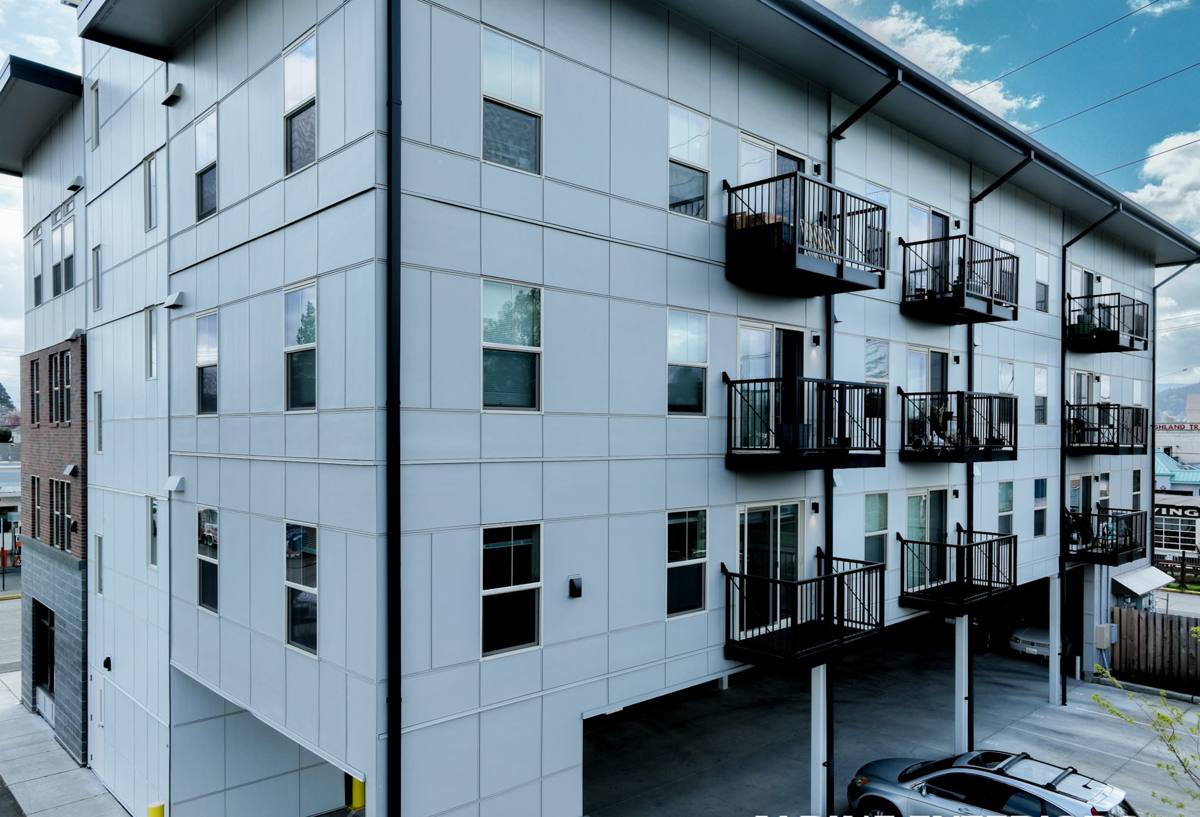
What This Climate Does to Siding Over Time
Understanding the damage pattern matters because it changes what an honest repair looks like.
Salt Air
Homes closer to the water pick up airborne salt that accelerates corrosion on fasteners, flashing, and any exposed metal trim. Salt also holds moisture against surfaces longer than plain rainwater does, which keeps siding damp for extended stretches even after a storm has passed.
Driving Rain
Whatcom County doesn't just get rain — it gets wind-driven rain that hits siding at an angle and works its way behind laps, around butt joints, and through any gap in caulking or flashing that's been neglected. Vertical rain is manageable. Driving rain finds every weak point in an installation.
Moss and Algae Season
Shaded north- and west-facing walls, tree cover, and the sheer number of damp months in a year all favor moss and algae growth on siding surfaces. Beyond the cosmetic problem, moss holds moisture against the material and can work into seams, accelerating rot in wood-based products and staining even durable materials if left unaddressed for years.
Common Siding Damage We See in the Nooksack Area
Not every damaged section needs the same fix, and figuring out which category a problem falls into is the first real step of any repair.
- Moisture intrusion at butt joints and corners — the most common failure point on lap siding, especially where caulking has dried out or was never installed correctly.
- Soft or delaminating panels — typically wood-based or composite siding that has absorbed water over multiple wet seasons.
- Cracked or split boards — from impact, age, or freeze-thaw cycling on already-compromised material.
- Persistent moss and algae staining — a maintenance issue on its own, but often a sign that a wall isn't drying out properly between rain events.
- Failed caulk and sealant joints — UV exposure and constant damp-dry cycling break down sealants faster here than in drier climates.
- Rust streaking from fasteners — more common near the coast, where salt air accelerates corrosion on nails and trim screws that weren't rated for the exposure.
What a Correct Repair Actually Involves
A repair that just covers the visible damage without addressing the cause is a repair you'll be paying for again in a few years. Doing it correctly means going a step further every time.
Diagnose Before You Patch
Visible damage is often a symptom, not the problem itself. A cracked board near a downspout might be secondary to a gutter that's overflowing onto the wall. A soft section near grade might point to inadequate clearance between siding and the ground, letting splash-back soak the bottom courses every time it rains.
Check What's Behind the Siding
Any repair involving moisture damage should include a look at the water-resistive barrier and sheathing behind the affected siding, not just the siding itself. If water has been getting behind the cladding, replacing the surface material without addressing the barrier underneath just resets the clock on the same failure.
Match the Material and the Finish
A patch that doesn't match the surrounding siding in profile, texture, or color sticks out and often performs differently than the original material, which can create new points of stress at the seams between old and new.
Reflash, Don't Just Recaulk
Caulk is a maintenance item, not a substitute for proper flashing. Where a repair opens up a joint, corner, or penetration, correct flashing detail should go back in before anything gets sealed and painted over.
Repair or Replace? How We Make That Call
Homeowners in the Nooksack area often ask whether a damaged section is worth repairing at all, or whether it's a sign to plan for a larger project. There's no single answer — it depends on a few honest factors.
| Factor | Favors Repair | Favors Replacement |
|---|---|---|
| Extent of damage | Isolated to one or two sections | Recurring across multiple walls |
| Age of existing siding | Well within expected service life | Near or past the material's typical lifespan |
| Sheathing condition | Dry, sound wood behind the siding | Soft or water-stained sheathing found during inspection |
| Original material | Durable material, isolated failure | Material prone to repeat moisture problems (untreated wood, some composites) |
| Cosmetic match | New section will blend acceptably | Discontinued profile or faded color makes matching impossible |
When the damage is contained and the wall assembly underneath is sound, a targeted repair is the honest recommendation — there's no reason to push a full re-side on a homeowner who doesn't need one. When the pattern points to systemic moisture problems or material that's simply reached the end of its useful life, we say so plainly.
Why Material Choice Matters Even in a "Small" Repair
We install James Hardie fiber cement siding exclusively, and that shapes how we approach repair work too. When a repair calls for new material — a replacement course, a corner section, a patched-in panel — we use Hardie fiber cement rather than a substitute product, even for a small job. Fiber cement doesn't absorb water the way wood-based or some composite sidings do, which matters enormously in a climate where boards can stay damp for days after a storm. It also holds its factory-applied ColorPlus finish without the recoating cycle that field-painted repairs eventually need.
If an existing home already has non-fiber-cement siding — wood, vinyl, or an engineered wood product — we'll still repair what's there when a targeted fix makes sense. But if the damage is widespread enough that a homeowner is weighing a full re-side, we'll talk honestly about what a switch to Hardie would mean for long-term moisture performance and maintenance, rather than just patching the same material back in and hoping the next repair is further out.
Our Process for Nooksack-Area Siding Repairs
- On-site inspection — we look at the damaged section and the wall assembly around it, not just the spot the homeowner pointed out.
- Moisture check — where rot or softness is present, we check how far it extends before writing a scope of work.
- Honest scope and estimate — a clear description of what's being repaired, what material will be used, and why.
- Correct removal — damaged material and any compromised flashing or barrier come out cleanly, without disturbing sound siding around it.
- Repair and reflash — new material goes in with proper flashing, fastening, and sealant detail suited to this region's rain exposure.
- Finish match — color and profile matched as closely as the original material allows.
- Cleanup and walkthrough — debris removed, repair reviewed with the homeowner before we call it done.
Why a Crew That Already Works in Whatcom County Matters
Siding repair isn't just about materials — it's about recognizing damage patterns specific to this area on sight. A crew that repairs siding across a lot of different climates might miss that a stain pattern here is moss-related rather than mildew, or underestimate how much clearance a repair needs at grade given how much standing moisture this region holds through the wet season. Working regularly in and around Custer and the greater Nooksack area means we're not guessing at how salt air, rain direction, or moss growth will affect a repair five years down the line — we're accounting for it from the first inspection.
Local also means being realistic about scheduling around the wettest months, since siding repair work depends on dry conditions to do it correctly. A crew unfamiliar with the region's weather patterns may not build that into a timeline; a crew that works here every season already has.
Keeping a Repair From Becoming a Repeat Job
Once a repair is done, a little routine attention goes a long way toward making sure it's the last one that section needs for a long time.
- Rinse moss and algae growth off siding before it has a chance to hold moisture against the surface long-term.
- Keep gutters clear so overflow isn't running down the wall instead of through the downspout.
- Maintain clearance between siding and soil, mulch, or plantings so splash-back and trapped moisture don't build up at the bottom courses.
- Inspect caulking at joints and penetrations annually — it's a maintenance item, not a one-time fix.
- Address small issues (a loose board, a cracked corner) before another wet season turns them into a larger repair.
If you've got a section of siding on a Nooksack or Custer-area home that needs attention, we're happy to take a look and give you a straightforward assessment — no pressure, no upsell, just an honest read on what it needs. Reach out for a free estimate using the form below.