 Custer
 New Roof Installation in Ferndale, Washington
Ferndale sits close enough to the Strait of Georgia and the Nooksack River delta that its roofs live under a different set of stresses than roofs twenty miles inland. Salt-tinged air off the water, long stretches of low-intensity driving rain, and a moss season that can run eight or nine months a year all add up over the life of a roof. A new roof installation here isn't just "put shingles on a house" — it's a set of decisions about materials, ventilation, and detailing that either work with those conditions or fight them for the next 20-30 years.
We're a Custer-based crew, and Ferndale is inside our regular service area, not a place we drive to occasionally. That matters more than it sounds like it should, because a roof's real performance shows up in how it handles the specific weather pattern of the neighborhood it's on, not the weather pattern of a manufacturer's test lab three states away.
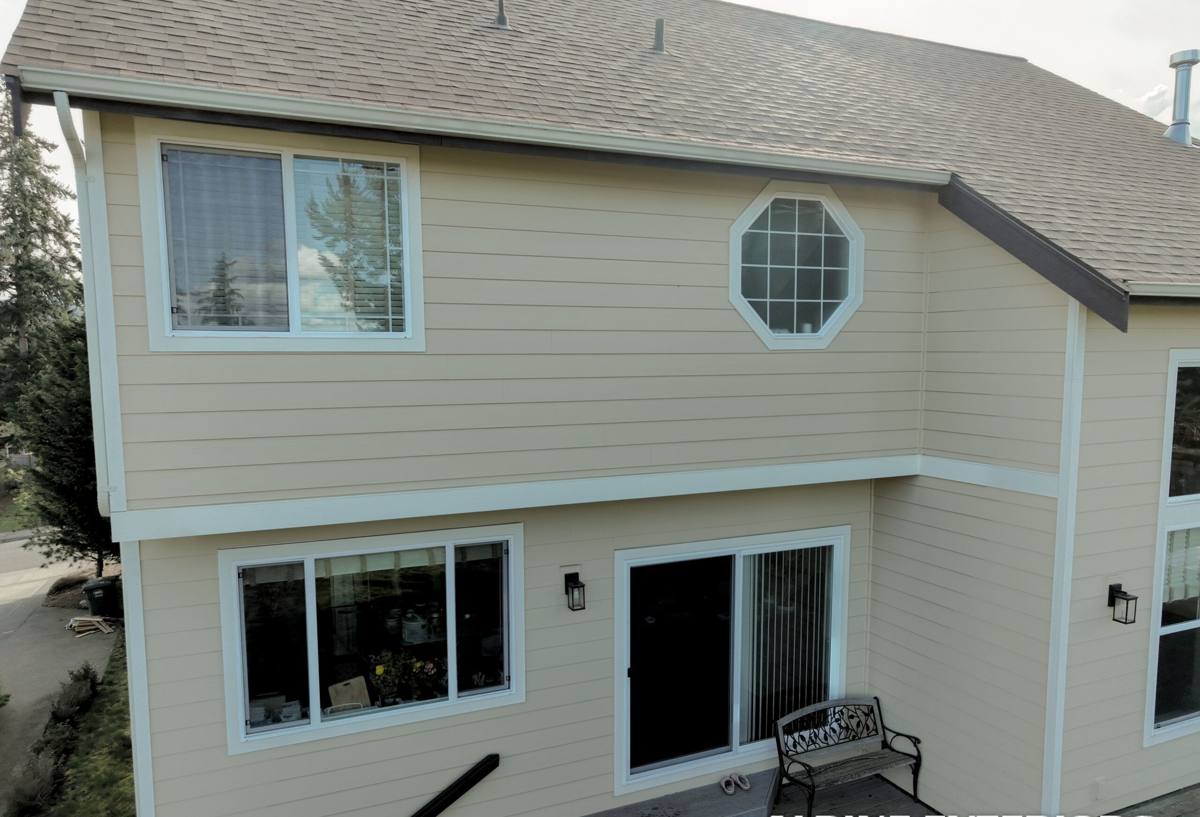
What Ferndale's Climate Actually Does to a Roof
Salt air and metal fasteners
Proximity to Bellingham Bay and the Strait means airborne salt is a real factor, even a few miles inland. Salt accelerates corrosion on exposed fasteners, flashing, and vent stacks. Roofs built with bargain-grade galvanized fasteners or thin aluminum flashing tend to show rust streaks and pitting years before the shingles themselves are worn out. The fix isn't exotic — it's simply specifying corrosion-resistant fasteners and flashing metals from the start, instead of retrofitting after staining shows up.
Driving rain, not just total rainfall
Whatcom County doesn't get dramatic downpours as often as it gets long, wind-driven rain that pushes water sideways and upward under normal circumstances a roof would shed easily. That kind of weather finds every gap in flashing, every under-lapped shingle course, and every place where an installer cut a corner on underlayment overlap. It's why detail work at valleys, chimneys, skylights, and wall-roof intersections matters more here than in drier climates.
Moss and moisture retention
Shade, humidity, and mild temperatures make Ferndale and the rest of Whatcom County prime moss territory. Moss holds moisture against the roof surface, lifts shingle edges as it grows, and shortens the life of asphalt shingles in particular. A new roof installed without moss-resistant strategy will typically need moss treatment or removal within a few years — and repeated pressure washing to fight it does its own damage to shingle granules over time.
What a Correctly Installed Roof Looks Like Here
A roof built for this climate isn't a different product line so much as a different set of choices layered onto standard materials:
- Ice-and-water shield or high-quality synthetic underlayment at eaves, valleys, and penetrations — not just the minimum code requirement
- Corrosion-resistant flashing and fasteners at all metal-to-roof transitions
- Balanced intake and exhaust ventilation so moisture doesn't build up in the attic and work its way back into the deck from underneath
- Zinc or copper strips near the ridge on shingle roofs, where moss pressure is heaviest, to slow regrowth without chemical treatment
- Proper starter strip and nailing pattern so wind-driven rain can't work its way under the first courses at eaves and rakes
- Sealed and properly lapped step flashing at any wall intersections, chimneys, or dormers
None of this is unusual or premium-tier work — it's what a roof needs to actually perform in this specific climate rather than just pass a quick visual inspection.
Material Options for Ferndale Homes
Most Ferndale roofs we work on are asphalt composition shingle, with a smaller number of standing-seam metal roofs and a handful of cedar or synthetic shake. Each has real trade-offs in this climate, and we'll talk through them honestly rather than pushing whatever's most profitable to install.
| Material | Moss resistance | Salt air durability | Typical lifespan here |
|---|---|---|---|
| Asphalt composition shingle | Moderate — needs zinc strips or periodic treatment | Good, with corrosion-resistant fasteners | 20-30 years |
| Standing-seam metal | Excellent — sheds moss naturally | Very good with proper coating; needs marine-grade fasteners near the water | 40-50+ years |
| Cedar shake | Poor without diligent maintenance — holds moisture | Fair; needs regular treatment | 20-25 years with upkeep |
| Synthetic/composite shake | Good | Good | 30-40 years |
Asphalt shingle remains the most common choice because it balances upfront cost with reasonable performance, provided the moss-resistance details above are actually installed rather than skipped. Metal is a strong option for homeowners planning to stay long-term and wanting to largely opt out of the moss fight altogether.
A note on cedar shake
Cedar has real visual appeal and plenty of homeowners in this area still want it. Our honest professional position is that in a climate with this much sustained moisture and moss pressure, cedar shake requires a level of ongoing maintenance — cleaning, treatment, occasional shingle replacement — that many homeowners underestimate at the time of installation. We'll install it if that's the look you want, but we'll walk you through the maintenance commitment up front rather than let it be a surprise in year five.
Signs a Ferndale Roof Needs Full Replacement, Not Another Repair
- Granule loss heavy enough that you're finding shingle grit in gutters every time it rains
- Moss established at the ridge and working down multiple courses, not just a light surface film
- Curling, cupping, or cracked shingles across large sections rather than one isolated spot
- Soft or spongy decking felt underfoot in the attic, especially near valleys or old flashing
- Repeated leaks in different locations each season, rather than one recurring spot that a targeted repair could fix
- A roof already past 20-25 years old on asphalt shingle, where the underlayment beneath is likely as worn as the shingles themselves
If only one section shows wear — say, a north-facing slope that stays shaded and holds moss while the rest of the roof looks fine — a targeted repair or partial re-roof may make more sense than full replacement. We'll tell you that directly if that's what the roof shows, rather than defaulting to the larger job.
Our Installation Process
1. On-site assessment
We walk the roof and the attic, not just the ground-level view. Attic ventilation, decking condition, and existing moisture damage all factor into the plan before we quote anything.
2. Material and detail plan
We spec underlayment, flashing metal, fastener type, and ventilation changes specifically for the exposure of your roof — a shaded north slope near mature trees gets different moss-resistance treatment than an open south-facing slope catching more sun and drying faster.
3. Tear-off and deck inspection
Full tear-off lets us actually see the decking, which is where hidden moisture damage from old, undersized flashing usually shows up. Any soft or rotted decking gets replaced before anything new goes down — installing new roofing over a compromised deck just hides the problem for a few more years.
4. Underlayment and flashing first
This is where most of the long-term performance in this climate is actually decided. We prioritize proper ice-and-water membrane at vulnerable points and correctly lapped, corrosion-resistant flashing before a single shingle or panel goes on.
5. Roofing installation
Shingles, metal panels, or shake are installed to manufacturer specification for nailing pattern and exposure, with the moss-resistance details (zinc strips, etc.) built in rather than treated as an optional add-on.
6. Final walkthrough
We review the finished roof with you, confirm ventilation is balanced, and go over any maintenance recommendations specific to your property's shade, tree cover, and exposure.
Cost Factors for a Ferndale Roof Replacement
| Factor | Why it moves the price |
|---|---|
| Roof size and pitch | More square footage and steeper pitches mean more material and labor time |
| Number of layers to tear off | Removing an existing layer (or two) adds disposal and labor cost versus a bare deck |
| Decking condition | Rotted or soft plywood/sheathing found during tear-off requires replacement before roofing can proceed |
| Material choice | Asphalt shingle is the most budget-friendly; metal and cedar cost more upfront |
| Roof complexity | Valleys, dormers, skylights, and multiple roof planes all add flashing detail and labor |
| Ventilation upgrades | Adding or correcting intake/exhaust ventilation is a smaller add-on cost that pays off in shingle lifespan |
We won't quote a number here without seeing your roof — anyone who does is guessing. What we can say is that a properly detailed roof for this climate typically costs somewhat more upfront than the cheapest available bid, because the underlayment, flashing, and ventilation work that actually protects against salt air and driving rain isn't visible once the job is done, and it's the first thing a lower bid tends to cut.
Why a Local Crew Matters for This Job
A roofing crew that regularly works Ferndale and the rest of Whatcom County has already seen what happens to roofs here over 10, 15, 20 years — which details actually hold up against this specific rain pattern and which ones look fine on install day and fail early. That's different from general roofing knowledge that isn't calibrated to marine, moss-heavy conditions. Being based in Custer also means we're not driving in from out of the area for warranty callbacks or storm-damage checks — we're already local, which keeps response times reasonable if something needs attention after the job is done.
Maintenance After Installation
Even a well-installed roof in this climate benefits from a bit of ongoing attention:
- Clear debris and needles from valleys and behind chimneys each fall, before the wet season sets in
- Keep gutters clear so water isn't backing up under the eave edge during driving rain
- Watch for early moss growth at the ridge and address it before it spreads down the slope
- Trim back tree branches that keep a section of roof shaded and slow to dry
- Have the roof looked at after any major windstorm, since lifted or cracked flashing isn't always visible from the ground
None of this is heavy maintenance — it's the kind of seasonal attention that lets a correctly installed roof reach its full expected lifespan instead of falling short of it.
If your Ferndale roof is showing moss, granule loss, or age, we're happy to come take a look and give you a straightforward, no-pressure estimate on what a replacement would actually involve for your specific roof. Use the form below to get started.