 Custer
 Roof Replacement in Lynden: Built for This Climate, Not a Generic One
Lynden sits far enough inland to feel a little different from the coast, but it still gets the same wet, gray Whatcom County winters, the same wind off the Strait, and the same long stretch of moss season that every roof in this corner of Washington has to survive. A roof replacement here isn't just about swapping old shingles for new ones. It's about choosing materials and installation details that hold up to months of standing moisture, sudden windstorms, and salt-tinged air drifting in from the water. We've replaced roofs across this area long enough to know which shortcuts fail first and which details actually matter.
This page focuses on one job: full roof replacement for homes in and around Lynden. Not repairs, not gutters, not siding — just what a correct roof replacement looks like when it's done for this specific climate and this specific community.
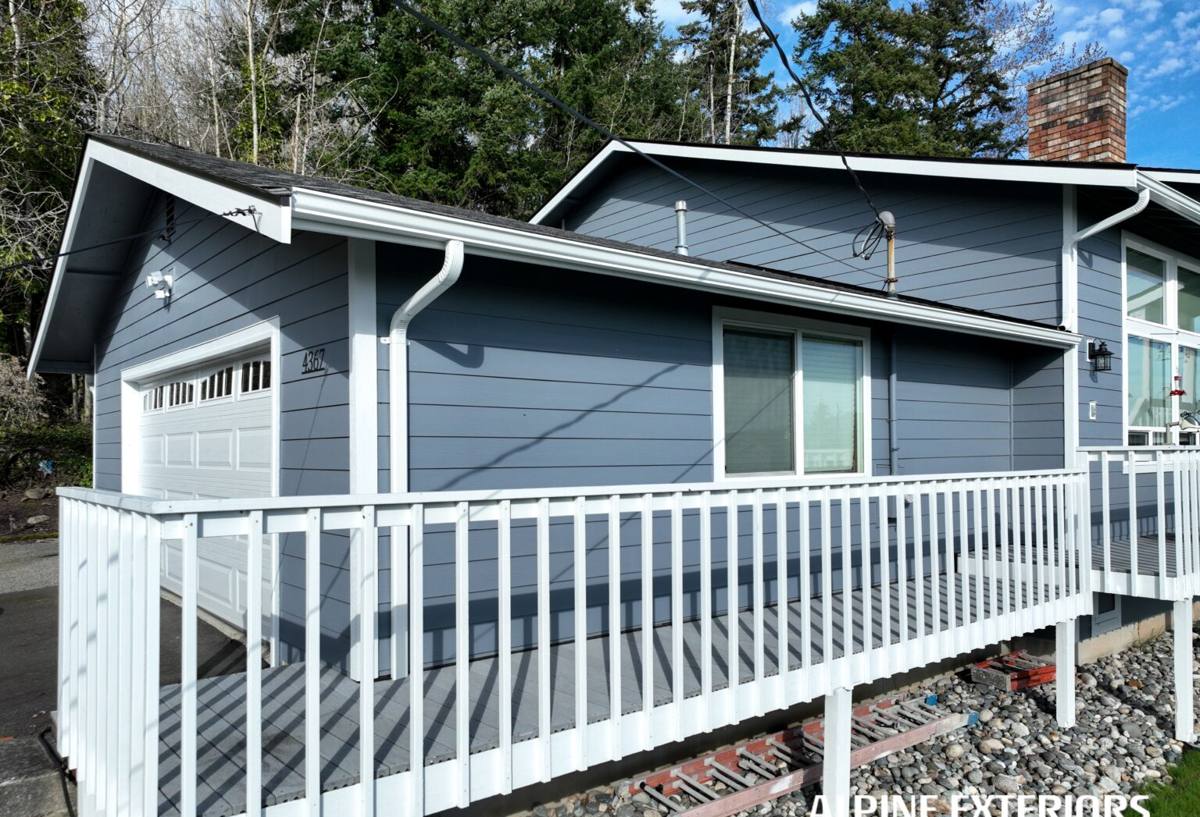
What Lynden's Climate Actually Does to a Roof
Three things drive almost every premature roof failure we see in this part of Whatcom County:
Moss and Sustained Moisture
Lynden gets long stretches of overcast, damp weather, especially from late fall through spring. Roofs that sit under tree cover or on north-facing slopes stay wet for days at a time. That moisture is exactly what moss needs to establish. Once moss takes hold, it holds water against the roofing material, lifts shingle edges, and works its way under flashing. A roof that isn't detailed to shed water fast and dry out between rain events will grow moss years before it should.
Driving Rain and Wind-Driven Water
Storms coming off the water don't just drop rain straight down — wind pushes it sideways, up under shingle tabs, and into any gap in flashing or underlayment. A roof that would be fine in a calmer climate can leak here simply because the water isn't falling the way the original installer assumed it would.
Salt Air and Corrosion
Even away from the immediate coastline, salt-laden air travels inland on Whatcom County's weather patterns. Over years, that air accelerates corrosion on exposed metal — nails, flashing, vents, and fasteners. A roof with the wrong metal or under-protected fasteners will show rust streaks and failing flashing well before the shingles themselves wear out.
None of this means Lynden needs exotic materials. It means the standard materials have to be installed with these specific stresses in mind, not installed the same way you'd install a roof in a dry inland climate.
What a Correct Roof Replacement Includes
A roof replacement done right in this area is built in layers, and every layer matters. Skipping or shortcutting any one of them is where most roof failures actually start — not with the shingles themselves, but with what's underneath them.
- Full tear-off to the deck. Layering new shingles over old is a shortcut that traps moisture and voids most manufacturer warranties. We remove everything down to the sheathing so we can actually see the deck condition.
- Deck inspection and repair. Any soft, rotted, or delaminated sheathing gets replaced before anything new goes down. Roofing over a compromised deck just hides a bigger problem.
- Ice-and-water shield at vulnerable points. Eaves, valleys, and roof-to-wall transitions get self-adhering waterproof membrane, not just felt. These are the spots where wind-driven rain and moss-trapped moisture cause the most damage.
- Synthetic underlayment across the field. More consistent water resistance than old-style felt, and it holds up better through a wet install season, which matters here more than most places.
- Corrosion-resistant flashing and fasteners. Given the salt air, we don't cut corners on metal quality around chimneys, sidewalls, and valleys — that's where premature rust shows up first.
- Balanced ventilation. Intake and exhaust venting sized correctly keeps the attic dry and temperature-stable, which reduces condensation buildup that can rot a deck from underneath, independent of what the weather is doing outside.
- Proper shingle or panel installation to manufacturer spec. Correct nail placement, exposure, and starter courses aren't optional details — they're what determine whether the roof performs in wind and heavy rain, and whether the warranty is actually valid if something goes wrong later.
Choosing the Right Roofing Material for a Lynden Home
There's no single "best" roofing material — the right choice depends on your home's slope, exposure to tree cover, budget, and how long you plan to own the house. Here's how the common options actually compare for this climate:
| Material | Moss/Moisture Resistance | Typical Lifespan | Trade-offs |
|---|---|---|---|
| Architectural asphalt shingles | Good, with proper ventilation and periodic cleaning | 25–30 years | Best value; needs occasional moss treatment to hit full lifespan |
| Standing seam metal | Excellent — sheds water fast, little surface for moss to grip | 40–50+ years | Higher upfront cost; requires a crew experienced with metal detailing |
| Synthetic/composite shingles | Very good | 30–40 years | Higher material cost than asphalt; fewer local install crews carry it |
| Cedar shake | Poor without diligent maintenance | 20–30 years with upkeep | High moisture and moss maintenance burden in this climate; we're upfront with clients about that before they commit |
For most Lynden homes, a quality architectural asphalt shingle with correct underlayment and ventilation delivers the best balance of cost and performance. Metal roofing earns its higher price tag on homes with heavy tree cover or steep, hard-to-maintain slopes where shedding moss quickly outweighs the upfront cost.
Signs a Lynden Roof Needs Replacing, Not Patching
Not every roof problem means a full replacement — but in this climate, certain signs mean patching is just delaying a bigger cost:
- Granule loss heavy enough that shingles look bald or patchy, especially on south- and west-facing slopes
- Moss established at the shingle edges or in valleys, not just on the surface
- Soft spots or sagging when walked on the deck, which usually means moisture has reached the sheathing
- Curling, cracking, or missing shingles concentrated in one area rather than scattered
- Daylight visible through the attic decking, or musty smell/staining in the attic after rain
- Repeated leaks in different spots after previous patch repairs
If your roof is showing isolated wear, a repair might genuinely be the right call — we'll tell you that if it's true. Replacement makes sense when the underlying deck or underlayment is compromised, or when the roof is old enough that patching one area just means the next failure is somewhere else.
Our Roof Replacement Process
1. On-Site Inspection and Honest Assessment
We walk the roof, check the attic from inside when possible, and look specifically for the moisture and moss patterns common to this area. You get a clear picture of condition before any decision gets made.
2. Written Estimate with Material Options
You'll see the actual scope — tear-off, deck repair allowance, underlayment type, flashing, ventilation plan, and material choice — spelled out, not bundled into a vague number.
3. Scheduling Around Weather
We plan installs to avoid extended rain windows where possible and use waterproof underlayment and staged tear-off techniques so your home isn't left exposed if weather moves in faster than forecast.
4. Tear-Off, Deck Repair, and Installation
Full removal, deck inspection with photos of anything that needs replacing before we proceed, then installation to manufacturer specification — the details that actually determine whether the warranty holds and whether the roof performs in year fifteen the way it did in year one.
5. Final Walkthrough
We review the finished roof with you, confirm ventilation and flashing details, and make sure you know what routine maintenance (if any) the material you chose actually needs going forward.
Why a Crew That Already Works Lynden Matters
Roofing crews unfamiliar with this specific stretch of Whatcom County sometimes install roofs the way they would in a drier or less moss-prone region — technically to code, but not optimized for what actually shortens a roof's life here. A crew that already works Lynden knows which slopes and tree-line setups need extra moss prevention detailing, which flashing metals hold up against the salt air over decades rather than years, and how to sequence a tear-off around this area's wet-season weather windows without leaving a deck exposed. That local pattern recognition is the difference between a roof that needs attention again in eight years and one that goes the full 25-plus.
Maintenance That Protects Your Investment
A correctly installed roof still benefits from basic upkeep in this climate:
- Keep gutters clear so water isn't backing up under the eave edge
- Trim back overhanging branches to reduce shade and debris that feed moss growth
- Have moss growth treated early, before it works under shingle edges
- Schedule a periodic visual check after major windstorms for lifted or displaced shingles
None of this is expensive or frequent — it's a once-or-twice-a-year attention item that keeps a well-installed roof performing for its full expected lifespan.
If your roof is showing wear, aging out, or you're just planning ahead, we're happy to take a look and give you a straight answer about what it actually needs. Fill out the form below for a free, no-pressure estimate.