 Custer
 Deck Repair in Lynden: Built for What Whatcom County Weather Does to Wood
Lynden sits close enough to the water and to the open farmland west of town that decks here take a beating most homeowners underestimate. Salt-laden air drifts in off the Strait and Puget Sound, driving rain comes in sideways for months at a stretch, and a long, gray moss season settles in every fall and doesn't let go until late spring. None of that is dramatic on its own. It's the accumulation, year after year, that turns a solid deck into a soft, slick, structurally questionable one if it isn't repaired at the right time.
A deck repair done right in this part of Whatcom County isn't just about swapping a rotten board. It's about understanding where water actually collects on a Lynden-area deck, what that moisture does to fasteners and framing over a five- or ten-year span, and which repairs actually hold up through another wet season instead of failing again in eighteen months.
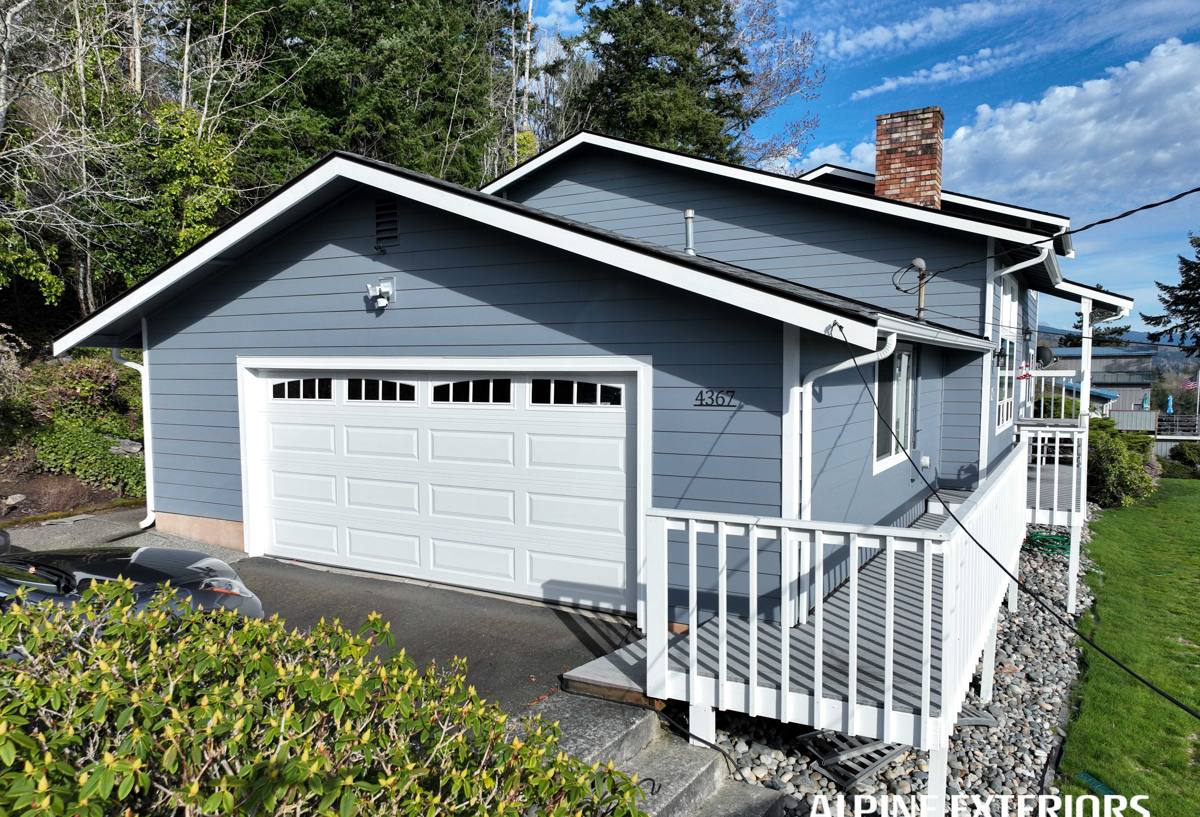
Signs Your Deck Needs Repair, Not Replacement
Most decks we look at in this area don't need to be torn out. They need targeted repair work aimed at the parts that actually fail first. Here's what we check for on a typical visit:
- Soft or spongy spots underfoot, especially near the house or along board edges
- Green or black staining that doesn't wash off, a sign moss and algae have taken hold below the surface
- Rust streaks running down from screws or nail heads
- Gaps opening up between boards, or boards that have started to cup or crown
- Railings or posts that flex or wiggle when you lean on them
- Visible daylight or a gap where the deck's ledger board meets the house
- Stair stringers that feel bouncy or uneven
Any one of these on its own is usually a repair. Several of them together, especially around the ledger board or main support posts, is when we start talking about a more involved rebuild of that section.
Common Deck Problems We See Around Lynden
Ledger Board and Rim Joist Rot
The ledger board is where the deck attaches to the house, and it's the single most important connection on the whole structure. In a climate with this much driving rain, the flashing behind the ledger board is what keeps water from wicking into the house framing. When that flashing was installed poorly, or wasn't installed at all, water gets trapped between the deck and the wall for years before anyone notices. By the time staining or softness shows up on the siding above the deck, the ledger board and the rim joist behind it are often already compromised.
Post Bases and Footings
Deck posts that sit directly on concrete, or on hardware that's lost its galvanizing, tend to wick moisture up from the base year-round. In wetter parts of a Lynden yard, especially anywhere runoff collects, this shows up as soft, punky wood at the bottom eight to twelve inches of the post long before the rest of the structure looks bad.
Decking Boards and Moss Buildup
Horizontal surfaces are where moss and algae take hold fastest, and once a film builds up on the boards, the wood underneath stays damp far longer after every rain. That constant dampness is what breaks down wood fiber and corrodes fasteners, not the rain itself. Boards with heavy moss growth are also a real slip hazard, particularly on stairs.
Railings and Fasteners
Standard exterior screws and nails corrode faster this close to salt air than most homeowners expect. A railing that feels loose is often not a loose bracket, it's fasteners that have rusted and lost their grip in the wood. This is a cheap fix if it's caught early and an expensive one if the post itself has started to rot around the corroded hardware.
Repair vs. Full Rebuild: How We Decide
We'd rather repair a deck properly than sell someone a full rebuild they don't need. The decision usually comes down to how much of the structural framing is affected versus the surface and finish materials.
| Factor | Usually Repairable | Usually Needs Rebuild |
|---|---|---|
| Decking boards | Isolated soft or split boards | Widespread rot across most of the surface |
| Ledger board | Minor gap, flashing needs correction | Soft wood behind flashing, rim joist affected |
| Posts and footings | One or two posts showing base rot | Multiple posts compromised, footings undersized or shifted |
| Railings | Loose fasteners, minor wobble | Posts rotted at the base, code-noncompliant spacing or height |
| Framing/joists | Localized rot near one connection | Rot pattern across multiple joists |
Age matters too. A twenty-year-old deck with failing ledger flashing is a different conversation than a five-year-old deck with the same issue, because the older structure has usually taken on moisture in more places over time, even where it isn't visible yet.
What a Correct Deck Repair Involves
A repair that actually lasts through the next several wet seasons follows the same process regardless of how small the visible problem looks:
- Full inspection, not just the reported problem area. We check the ledger connection, post bases, and framing even if the homeowner called about one soft board, because moisture problems rarely stay isolated.
- Probe testing on wood that looks questionable. A screwdriver or awl tells us more about actual wood condition than a visual look ever will.
- Removal of affected material only. We don't tear out more than needs to come out, but we don't stop short of solid wood either.
- Correcting the moisture source, not just the symptom. If bad flashing caused the rot, we fix the flashing. Replacing a board over the same unresolved flashing problem just buys a year or two.
- Matching or upgrading fasteners and hardware to a corrosion-rated grade appropriate for this coastal-influenced air, not standard interior-grade hardware.
- Reassembly and a final check of the whole structure for level, secure railings, and proper attachment before we call it done.
Materials: What We Use and Why
Whatcom County's mix of salt air, rain, and moss narrows down what actually performs well outdoors here. We lean toward pressure-treated lumber rated for ground contact on structural framing, and stainless or hot-dip galvanized fasteners anywhere the connection will stay wet longer than a day or two after rain. For decking surfaces, both quality cedar and composite boards have a place, and the right choice depends on the homeowner's priorities.
Cedar has a natural look and resists rot reasonably well on its own, but it still needs periodic cleaning and refinishing to keep moss from gaining a foothold, especially on a deck that sits in shade for part of the day. Composite decking costs more upfront and doesn't need staining, but it isn't maintenance-free either. It still needs regular cleaning, because algae and moss will grow on composite surfaces just as they will on wood if the boards stay damp and shaded. We'll walk through the honest trade-offs of each with you rather than push whichever one has a bigger margin.
Maintenance That Actually Matters After a Repair
A repair is only as good as the upkeep that follows it, particularly through moss season. A few habits make a real difference in how long a repaired deck stays sound:
- Sweep or blow off standing debris after storms rather than letting it sit and hold moisture
- Clean moss and algae off decking and stairs at least once before winter and again in early spring
- Check that gutters and downspouts aren't dumping runoff onto or near the deck
- Look at the ledger board area once a year for any new gaps, staining, or soft spots
- Reseal or restain wood decking on the manufacturer's recommended schedule, not just when it looks faded
None of this takes long, and it's far cheaper than letting a small moisture problem turn into a structural one over another couple of wet seasons.
Why It Matters to Hire a Crew That Already Works in Lynden
Deck failure patterns in this part of Whatcom County aren't the same as what you'd see in a drier climate, and a crew that mostly works inland or in a different region can miss the specific spots where Lynden decks tend to fail first, like ledger flashing behind lap siding or post bases in yards with poor drainage. Knowing the local pattern means we know where to look first, which keeps the inspection efficient and the estimate accurate instead of padded to cover uncertainty. It also means we're not guessing at material choices, we're using what's actually held up on decks in this specific climate.
If you've got a deck in Lynden that's showing soft spots, moss buildup, wobbly railings, or anything else on that list above, we're happy to come take an honest look. There's no pressure and no cost to get a straight answer on whether you're looking at a simple repair or something bigger, along with a clear estimate before any work starts. Use the form below to request your free estimate.