 Custer
 Deck Repair Built for Sumas Conditions
Sumas sits right up against the Whatcom County line, and decks out here take a beating that homeowners in drier parts of the state never have to think about. Long stretches of driving rain, short winter days that keep wood damp for weeks at a time, and a moss season that can run from October through May all work against any deck that isn't built or maintained with that reality in mind. Add in the marine air that moves through this part of Washington and you get a slow, steady corrosion problem on top of the moisture problem. Most deck failures we see in this area aren't dramatic — they're the result of small maintenance gaps that had years to compound.
This page is specifically about deck repair for homes in and around Sumas. If your deck is sound but showing wear, or you've got a soft spot, a wobbly rail, or standing water that won't drain, this is the service you need and the information that should shape how it gets fixed.
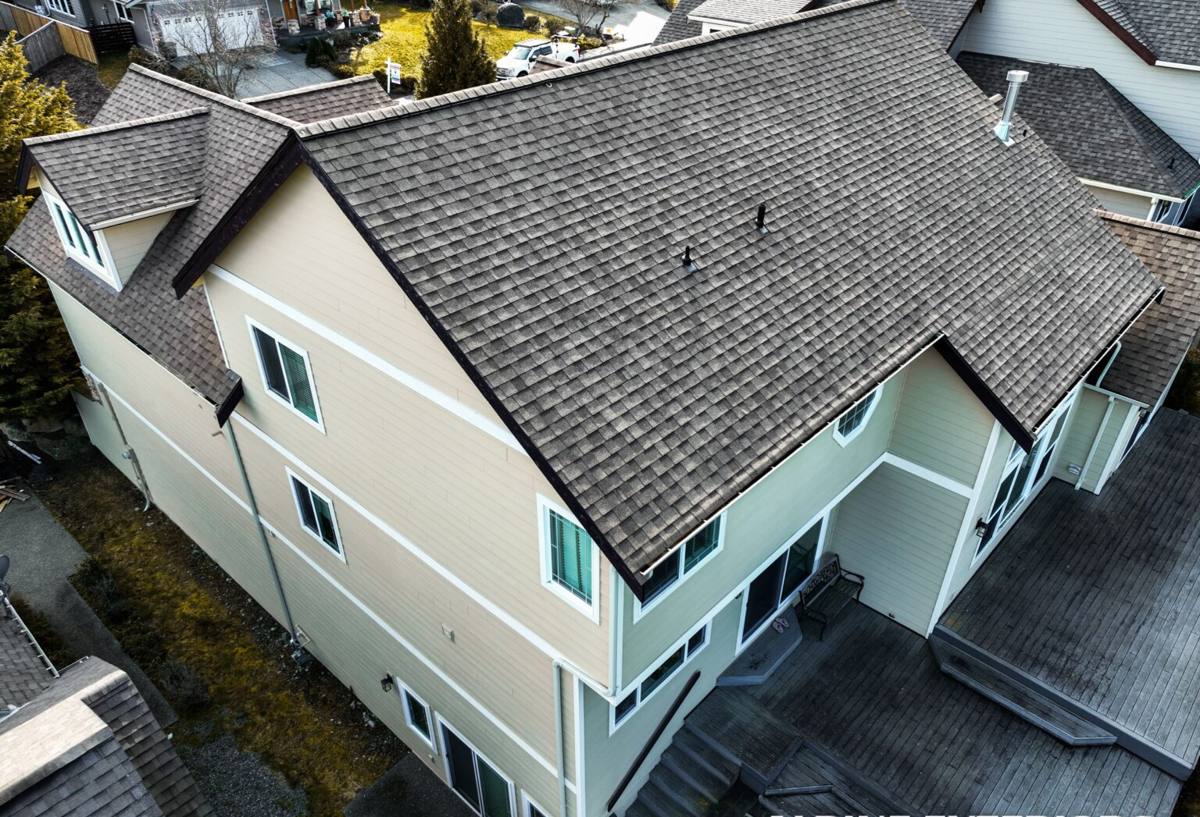
Common Deck Problems We See in This Area
The repairs we get called out for in Sumas tend to fall into a handful of categories, almost all traceable back to moisture that had somewhere to sit instead of somewhere to go.
Ledger Board and Flashing Failures
The ledger board — where the deck attaches to the house — is the single most important structural connection on most decks, and it's also the most common place for hidden rot to start. If the flashing behind it was installed poorly, or wasn't installed at all, water gets behind the board and rot spreads before anyone sees a sign of it from the outside.
Soft or Spongy Decking Boards
Wood decking that sits under standing water or wet leaves for long stretches — which happens often given how much rain this area gets — will soften and eventually rot from the top down or the underside up, depending on drainage.
Loose, Wobbly, or Undersized Railings
Older decks in Whatcom County were frequently built to codes that have since been tightened, or built without full attention to code at all. Railing posts that were never properly through-bolted, or that have simply rotted at the base, are one of the most common safety issues we find during a repair visit.
Corroded Fasteners and Hardware
Even away from the immediate coastline, the marine air that moves through Whatcom County carries enough moisture and salt to accelerate corrosion on nails, screws, and joist hangers that weren't rated for exterior or coastal-adjacent use. Rust stains bleeding out around fasteners are a reliable sign that the hardware underneath is failing.
Moss and Algae Buildup
Moss doesn't just look bad — it holds moisture directly against wood and finishes, which speeds up decay and makes boards slick and dangerous underfoot. A deck that goes untreated through even one full moss season here can end up needing repairs it wouldn't have needed in a drier climate.
What a Correct Deck Repair Actually Involves
A repair that just replaces the boards you can see and skips everything underneath isn't a repair — it's a temporary patch. Doing it right means checking the whole system, not just the surface.
- Inspecting the ledger board and flashing for hidden rot, not just visible damage
- Checking joists and beams underneath for soft spots, especially near the ledger and at board ends
- Confirming railing posts are through-bolted into framing, not just screwed into decking
- Replacing corroded fasteners with stainless or coated hardware rated for our climate
- Correcting drainage or gaps so water sheds off the deck instead of pooling on it
- Matching or properly finishing new lumber so repairs don't stand out or weather differently
We treat every repair call as a chance to check the structure, not just fix the symptom that got someone to pick up the phone.
Repair or Replace? How We Help You Decide
Not every deck problem calls for full replacement, and not every deck is worth saving as-is. The honest answer usually comes down to how much of the structural system is affected versus the surface.
| Factor | Points Toward Repair | Points Toward Replacement |
|---|---|---|
| Ledger board condition | Solid, properly flashed | Rotted or never flashed correctly |
| Framing (joists/beams) | Sound, isolated soft spots | Widespread rot or undersized for span |
| Decking boards | Scattered bad boards | Most boards cupped, soft, or splitting |
| Railings | Loose but structurally attached | Posts rotted at base or not code-compliant |
| Age of deck | Under 15-20 years, built well | Older, outdated framing methods |
Most decks in Sumas fall somewhere in the middle of that table, which is exactly why an in-person inspection matters more than a guess based on age or square footage alone.
Our Deck Repair Process
1. On-Site Inspection
We walk the entire deck, probe suspect areas with a screwdriver or awl, and check underneath where possible. This is where we find the hidden ledger or joist issues that don't show from the top.
2. Straight Answer on Scope
You get a clear explanation of what's actually wrong, what it will take to fix it correctly, and where we drew the line between repair and replace — with reasoning, not just a number.
3. The Repair Itself
Damaged framing and decking come out, hidden problems get addressed while everything's already open, and new material goes in matched to the existing structure where possible.
4. Hardware and Finish
Fasteners and connectors get upgraded to hardware suited for our wet, humid climate, and any exposed wood gets sealed or finished so the repair doesn't become next year's callback.
Materials and Why We Choose Them
Material choice matters more here than in drier climates, because the margin for error with moisture is smaller. We lean toward decking and hardware with a track record for handling repeated wet-dry cycles without cupping, splitting, or corroding prematurely. For structural repairs, pressure-treated lumber rated for ground contact or exterior exposure is non-negotiable at the framing level — it's not a place to save money, since a framing failure is a safety issue, not a cosmetic one. For fasteners, stainless steel or heavy hot-dip galvanized hardware costs more up front than standard coated screws, but in an area with this much sustained moisture and marine air, the difference in service life is significant enough that we treat it as standard practice rather than an upgrade.
Signs Your Sumas Deck Needs Repair Now
Some deck problems can wait for a scheduled repair. Others shouldn't wait through another wet season. If you're seeing any of the following, it's worth having someone look before it gets worse or becomes a safety issue.
- Boards that feel spongy, springy, or soft when you walk on them
- Railings that flex, wobble, or feel loose when you lean on them
- Rust streaking down from screws or around metal connectors
- Gaps opening up where the deck meets the house
- Moss or dark staining that keeps coming back no matter how often it's cleaned
- Water pooling on the surface instead of draining off
- Visible daylight or separation at stair stringers or post bases
Why Hire a Crew That Already Works in Sumas
A deck repair here isn't the same job as a deck repair in a dry inland climate, and it shows in the details — how flashing is detailed against the ledger, which fasteners hold up over time, and how much drainage slope actually matters once moss and standing water enter the picture. A crew that already works throughout this corner of Whatcom County has seen how local decks age, which shortcuts fail first, and what actually holds up through another wet season rather than what looks fine on install day. That's the difference between a repair that lasts and one you'll be calling about again in a year or two.
After the Repair: Keeping It That Way
A well-executed repair still needs basic upkeep in this climate. Clearing leaves and debris before they mat down and hold moisture, keeping an eye out for returning moss, and re-sealing or refinishing exposed wood on a reasonable schedule will do more to protect your investment than almost anything else. We're glad to walk you through a maintenance schedule that fits your specific deck and materials once the repair is done.
If you're dealing with a soft board, a shaky rail, or you just want an honest opinion on where your deck stands, we're happy to take a look. Request a free, no-pressure estimate using the form below and we'll get back to you with a straight answer.