 Custer
 Building a Deck That Can Actually Handle Cherry Point
Cherry Point sits close enough to the water that homes here deal with a different set of pressures than a deck built ten miles inland in Whatcom County. Salt-laden air moves off the strait and settles on everything outdoors, driving rain comes in sideways during fall and winter storms, and the shoulder seasons stay damp long enough for moss and algae to get a foothold on any horizontal surface that doesn't drain and dry quickly. A deck built without those three factors in mind will show it within a couple of years — fasteners bleeding rust, boards cupping, and a slick green film that makes the whole thing unsafe to walk on in the wet months.
Composite decking, installed correctly, is one of the more sensible answers to that combination. It's not a magic material that ignores the climate, but it removes several of the failure points that wood decking struggles with out here, and it holds up to routine cleaning without the yearly refinishing cycle a lot of homeowners get tired of.
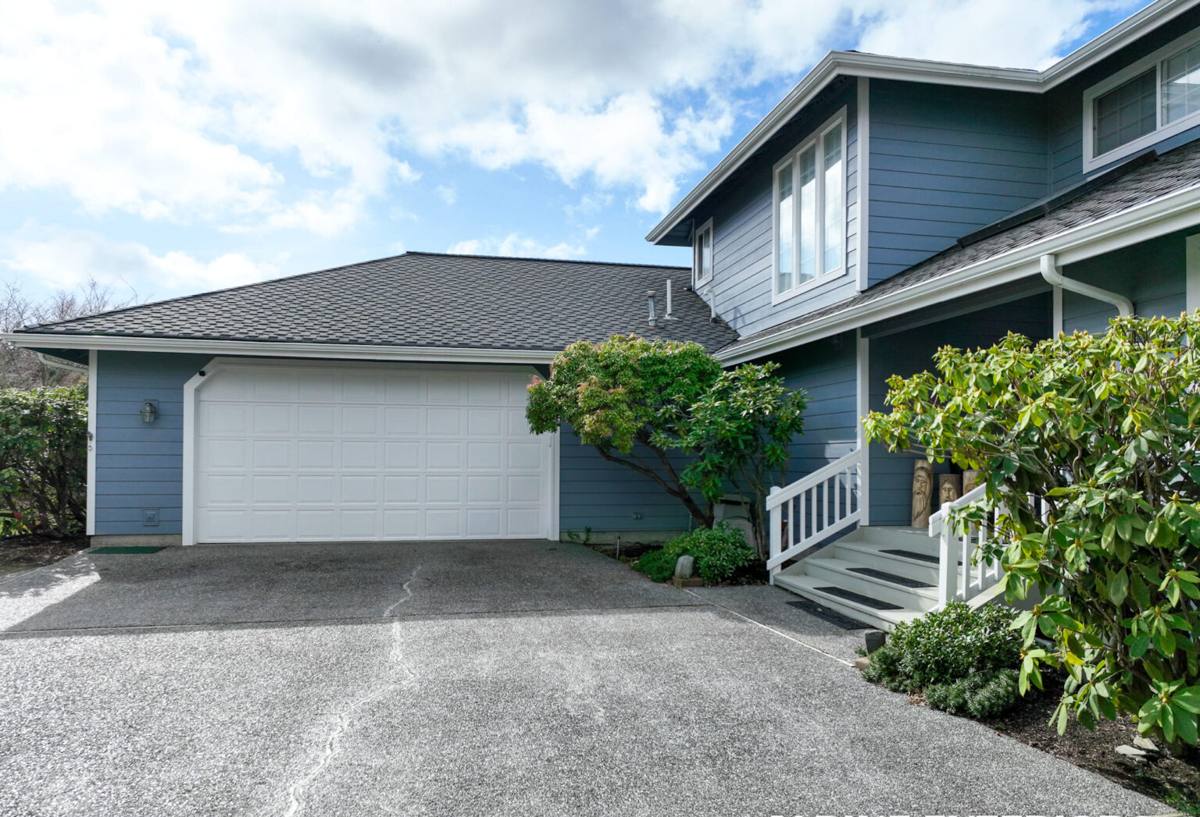
What Cherry Point's Climate Actually Does to a Deck
Salt Air and Corrosion
Airborne salt is hard on metal. Screws, joist hangers, post bases, and railing brackets that aren't rated for coastal exposure will corrode faster here than the same hardware would in a dry inland town. Once a fastener starts rusting, it weakens, stains the surrounding decking, and eventually needs to be replaced — usually after it's already done some damage to the board around it.
Driving Rain and Moisture Cycling
Rain that comes in at an angle gets up under railings, around post wraps, and into any gap that wasn't flashed or sealed with that in mind. The bigger issue is the cycle: wood soaks up that moisture, swells, dries out when the sun does show up, and shrinks again. Repeated over a few winters, that cycle is what causes cupping, splitting, and loose fasteners in traditional wood decking.
Moss and Algae Season
Whatcom County's long wet stretch from fall through spring gives moss and algae plenty of time to establish on any deck surface that holds moisture or sits in shade. Wood is porous, so those spores get a grip in the wood grain itself, not just on the surface — which is why a wood deck that isn't power-washed and treated on a schedule can look years older than it is.
Why Composite Decking Fits This Location
Composite boards are made from a blend of wood fiber and plastic, capped (on most modern products) with a protective outer shell. That cap layer is the part that matters most for a Cherry Point install — it doesn't absorb water the way raw wood does, so the swell-shrink cycle that damages wood decking is largely eliminated. It also gives moss and algae less to grab onto, since there's no open wood grain for spores to root into. That doesn't mean composite decking is maintenance-free — it still needs to be kept clean — but the maintenance is periodic washing rather than sanding, staining, and sealing every year or two.
Composite also doesn't splinter, which matters for a deck that's going to see bare feet in summer, and it holds its color better under UV exposure than a stained wood surface does, even with the extra cloud cover our region gets compared to drier climates.
What a Correct Installation Actually Involves
Substructure and Ventilation
The composite boards get most of the attention, but the framing underneath is what determines how long the whole system lasts. In a damp climate like this, the substructure needs enough airflow underneath to let moisture escape rather than sit trapped against the joists. Joist spacing also matters more with composite than with wood — composite boards can flex differently under load, so we follow the manufacturer's spacing requirements rather than the wider spacing that's sometimes acceptable with dimensional lumber.
Fasteners and Hardware
Every fastener and connector on a coastal-exposed deck should be corrosion-resistant hardware rated for the job — stainless or coated fasteners, hidden fastener systems where the product calls for them, and structural connectors that won't be the first thing to fail. This is one of the areas where a cut corner doesn't show up for a year or two, then shows up as rust streaks and a loose railing all at once.
Flashing and Ledger Details
Where the deck attaches to the house — the ledger board — is the single most common source of hidden water damage on any deck, composite or wood. Proper flashing at that connection, plus flashing tape and correct fastener placement, keeps driving rain from working its way behind the ledger and into the house structure over time. It's not a visible detail once the deck is finished, which is exactly why it's worth asking a contractor how they handle it.
Board Selection
Not all composite products perform the same in a wet, salt-exposed climate. We look at the cap material, the manufacturer's stated moisture and mold resistance, and the warranty structure before recommending a specific product for a Cherry Point job — a board that's a great fit for a dry inland deck isn't automatically the right call two miles from the water.
Composite vs. Other Decking Materials Here
| Material | Performance in Salt Air & Rain | Moss/Algae Resistance | Upkeep |
|---|---|---|---|
| Composite (capped) | Strong — doesn't absorb water like wood | Good — minimal open grain to colonize | Periodic washing, no staining or sealing |
| Pressure-treated wood | Fair — needs consistent sealing to resist moisture cycling | Fair — grain holds moss/algae without regular treatment | Annual cleaning, staining/sealing every 1-3 years |
| Cedar | Fair — naturally rot-resistant but still absorbs moisture | Fair — better than PT wood but still porous | Regular sealing to maintain appearance and resistance |
| PVC decking | Strong — fully synthetic, doesn't absorb moisture | Good — similar to composite | Low, but higher material cost |
We don't install every product on this list on every job — the right choice depends on budget, the look a homeowner wants, and how the deck will be used. But for most Cherry Point homes, capped composite hits the balance between upfront cost, appearance, and the low-maintenance performance this climate rewards.
How We Approach a Cherry Point Deck
- Site assessment — we look at sun/shade exposure, drainage, wind and salt exposure, and the condition of any existing structure before recommending a plan.
- Product selection — we walk through composite options with moisture and coastal exposure in mind, not just color and price.
- Substructure build or reinforcement — framing, ventilation, and connector hardware sized and rated for this exposure.
- Flashing and waterproofing — especially at the ledger connection, before a single deck board goes down.
- Decking and railing installation — following manufacturer spacing and fastening specs, not shortcuts.
- Final walkthrough — we go over basic care so the deck actually holds up through the wet season ahead.
What Drives the Cost of a Composite Deck
| Factor | Why It Matters |
|---|---|
| Deck size and shape | Square footage and the number of angles, stairs, or level changes affect both material and labor |
| Substructure condition | New framing vs. reinforcing or replacing an existing structure changes scope significantly |
| Board and railing product tier | Composite lines vary in cap quality, warranty length, and price per square foot |
| Site access and elevation | Sloped lots or limited access near the water can add labor time |
| Hardware and fastening system | Coastal-rated hardware and hidden fastener systems cost more than standard-grade options |
We won't quote a number without seeing the site — there's too much variation between a simple ground-level deck and a raised deck with stairs and custom railing. What we can promise is a straightforward estimate that spells out what you're paying for, not a lowball number that grows once the work starts.
Keeping a Composite Deck Looking Right in This Climate
Composite cuts down on maintenance, it doesn't eliminate it. In a location dealing with salt air, driving rain, and a long moss season, a little routine care goes a long way toward protecting the investment.
- Sweep or rinse off salt residue, pollen, and debris regularly, especially after storms
- Wash the deck surface with mild soap and water a couple of times a year to prevent moss and algae buildup before it takes hold
- Keep gutters and downspouts clear so runoff doesn't dump extra water onto the deck surface
- Trim back overhanging vegetation to reduce shade and moisture retention on the boards
- Check railing hardware and fasteners periodically for early signs of corrosion
- Address any standing water or drainage issues under the deck before they become a bigger problem
Why It Matters to Hire a Crew That Already Works Cherry Point
A lot of decking problems in coastal Whatcom County trace back to a build that followed a generic install guide instead of accounting for the site. A crew that already does this work around Custer and Cherry Point isn't guessing about how much salt exposure or driving rain the deck needs to handle — they've seen what fails here and what holds up. That shows up in the hardware chosen, the flashing details, the board spacing, and the honest conversation about which products are actually worth the money for this specific location.
If you're planning a new deck or replacing one that hasn't held up, we're happy to come take a look and give you a straightforward, no-pressure estimate — just fill out the form below.