 Custer
 Siding Replacement Built for Cherry Point's Marine Climate
Cherry Point sits close enough to the water that salt air is simply part of daily life here. Combine that with Whatcom County's long, wet winters and the moss and algae growth that comes with months of shade and standing moisture, and you've got one of the tougher siding environments in the state. Homes in this area don't fail because owners neglected them — they fail because the siding installed originally was never engineered for this specific combination of salt, driving rain, and prolonged damp. Replacing siding here isn't a cosmetic project. It's a chance to correct a mismatch between the product and the environment it's been sitting in for twenty or thirty years.
This page covers what a siding replacement job actually needs to look like for a Cherry Point property — not a generic overview, but the specifics that matter for homes exposed to Puget Sound weather patterns day in and day out.
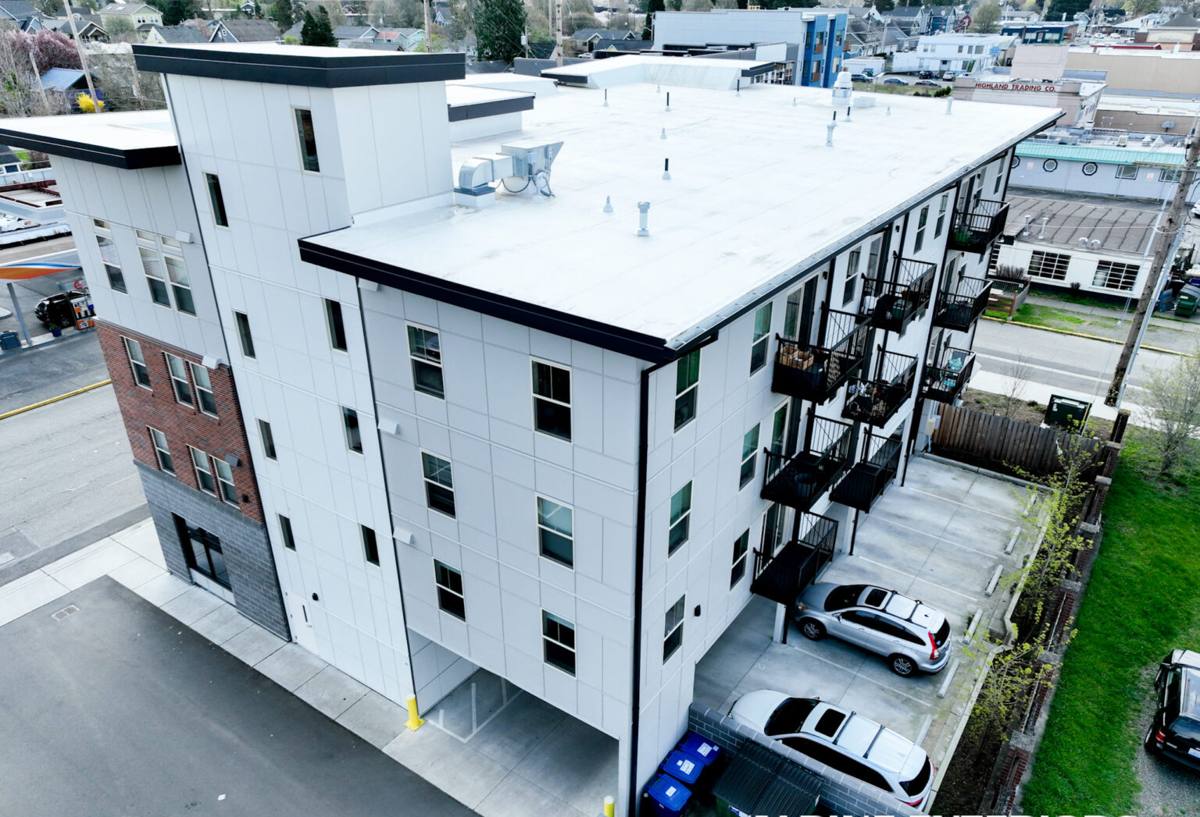
What Cherry Point's Climate Actually Does to Siding
Salt Air and Corrosion
Airborne salt doesn't just affect metal fasteners and flashing — it accelerates the breakdown of paint films and caulking, and it settles into porous or fibrous siding materials over time. Wood-based products absorb it along with moisture, which speeds up rot from the inside out. Any replacement plan for this area has to account for salt exposure on every component, not just the siding panel itself: fasteners, trim, flashing, and caulk all need to hold up to it too.
Driving Rain
Storms coming off the water don't fall straight down — they drive sideways into walls, which means lap joints, butt seams, and every penetration (hose bibs, vents, light fixtures) take on water pressure that a calm-weather installation never has to resist. A siding system that's merely "water resistant" in a lab test can still let moisture in when rain is being pushed horizontally against a wall for hours at a stretch.
Moss and Algae Season
Shaded north walls, tree cover, and near-constant humidity give moss and algae a long growing season in this part of Whatcom County — often close to year-round on the sides of a house that don't get much sun. Moss holds moisture against the siding surface, which is exactly the condition that rots wood-based products and stains porous ones permanently. The siding material and its finish both need to resist that, not just be scrubbed clean once a year.
Signs a Cherry Point Home Needs Siding Replacement
- Soft or spongy spots when you press on the siding, especially near the bottom courses or around windows
- Persistent black or green staining that comes back within a season or two of cleaning
- Visible cupping, warping, or separation at seams — common on older wood or engineered wood products in salt air
- Paint that's chalking, peeling, or needing repainting more often than every 8-10 years
- Caulk lines that are cracked or pulling away from trim and corners
- Rising heating bills or noticeable drafts, which can point to failed sheathing or insulation behind the siding
- Visible rust streaking from fasteners bleeding through the surface
What a Correct Siding Replacement Job Involves
Tear-Off and Inspection
Full replacement starts with removing the old siding entirely, not overlaying new material on top of it. That's the only way to find out what's actually happening underneath — soft sheathing, hidden rot around windows, or moisture trapped behind a house wrap that's failed. In a salt-air, high-rainfall area, skipping this step means burying problems that will resurface within a few years.
Water-Resistive Barrier and Flashing
Given how much wind-driven rain this area sees, the weather-resistive barrier and flashing details around windows, doors, and penetrations matter as much as the siding itself. Proper lapping (upper layers over lower, always shedding water downward) and correctly integrated flashing at every opening are what actually keep water out — the siding is the second line of defense, not the first.
Fastener and Hardware Selection
In a salt-exposed environment, fastener corrosion resistance isn't optional. Stainless or hot-dip galvanized fasteners rated for the application, correct nailing patterns, and proper embedment all affect how long the whole system lasts — cutting corners here shows up as rust streaks and loosened panels within a handful of years.
Siding Material and Factory Finish
This is where the product choice matters most. We install James Hardie fiber cement exclusively, using their climate-engineered HZ product lines, which are formulated specifically for high-moisture, marine-exposure regions like this one. It's non-combustible, doesn't absorb water the way wood-based or wood-fiber products do, and comes with a factory-applied ColorPlus finish that's baked on under controlled conditions rather than field-painted — which matters directly for moss and algae staining, since a consistent factory finish resists staining and holds color far longer than field-applied paint exposed to constant damp.
Installation to Manufacturer Spec
Hardie's performance and warranty both depend on installation matching their specifications exactly — correct clearances from grade and roofing, correct fastener spacing, correct caulking at joints. A technically sound product installed off-spec still fails early. This is as much about the installer's discipline as it is about the material.
Why We Standardized on James Hardie for This Area
We don't install every siding product on the market, and that's intentional. Vinyl siding is inexpensive and low-maintenance in mild climates, but it can warp under the intense summer sun some walls face and doesn't hold up structurally the way fiber cement does over decades. Wood-based and wood-fiber composite products can look good initially, but they're organic materials at their core, and in an environment with this much sustained moisture and moss growth, that means an ongoing maintenance burden — resealing, repainting, and watching for edge swelling — that most homeowners here don't want to sign up for. Primed wood species like cedar or spruce require diligent, repeated maintenance to keep water out, which is a hard ask in a climate that stays wet for months at a time.
James Hardie fiber cement is non-combustible, dimensionally stable, and engineered specifically for high-moisture regions through its HZ5 product line. The factory ColorPlus finish means less repainting, better resistance to moss and algae staining, and a transferable warranty that holds up when the installation is done correctly. That combination — durability against salt air, moisture resistance against driving rain, and a finish that resists the staining this area is known for — is why it's the only product we put on Cherry Point homes.
Cost Factors for a Cherry Point Siding Replacement
| Factor | Why It Affects Cost |
|---|---|
| Extent of hidden damage | Rot or moisture damage found during tear-off requires sheathing repair before new siding goes on |
| Home size and wall complexity | More corners, dormers, and penetrations mean more flashing and trim work |
| Siding profile and accessories | Trim boards, corner treatments, and accent details add material and labor |
| Access and site conditions | Tree cover, tight lot lines, or difficult staging near the water can extend timelines |
| Existing paint or coating removal | Some older siding systems require extra prep or disposal handling |
Every property is different, and the only way to get an accurate number is a walk-around inspection — we're not going to quote a number here that doesn't reflect your specific home.
Our Process for Cherry Point Homes
- On-site inspection, including a look at siding, trim, flashing, and any visible moisture damage
- Written estimate covering material, tear-off, repairs if needed, and installation
- Full tear-off and inspection of sheathing and water-resistive barrier
- Repair of any damaged framing or sheathing found underneath
- Installation of James Hardie fiber cement to manufacturer spec, including proper flashing and fastening
- Final walkthrough so you know exactly what was done and why
Why Local Experience with This Area Matters
A crew that's worked in Cherry Point and around Custer already knows which wall orientations take the worst of the driving rain, where moss tends to build up fastest, and how salt exposure shows up differently here than it does even a few miles inland. That's not something you can fully compensate for with a generic install — it changes which details get extra attention, from flashing at the most exposed elevations to fastener choice. Hiring a crew already familiar with Whatcom County's coastal conditions means fewer surprises and a job that's built for the actual environment your home sits in, not a textbook one.
If your Cherry Point home is showing signs of siding wear — staining that won't stay clean, soft spots, or paint that keeps failing — we're happy to take a look. Reach out for a free, no-pressure estimate using the form below.