 Custer
 Asphalt Shingle Roofing Built for the California Creek Area
The homes around California Creek in Custer sit in a stretch of Whatcom County that takes a real beating from the weather, even by Pacific Northwest standards. You're close enough to the water to catch salt-laden air off the Salish Sea, exposed to long stretches of driving rain off the water, and shaded enough by fir and cedar cover in places that moss gets a foothold on roofs that don't get much sun. None of that makes asphalt shingle roofing a bad choice here — it's still the most practical, cost-effective option for the large majority of homes in this area. But it does mean the roof has to be installed with this specific climate in mind, not treated the same as a roof going up in a dry inland town.
This page is about one thing: asphalt shingle roofing, done right, for houses in and around California Creek. Not a general overview of every roofing material — just what actually matters for homes in this specific pocket of Custer.
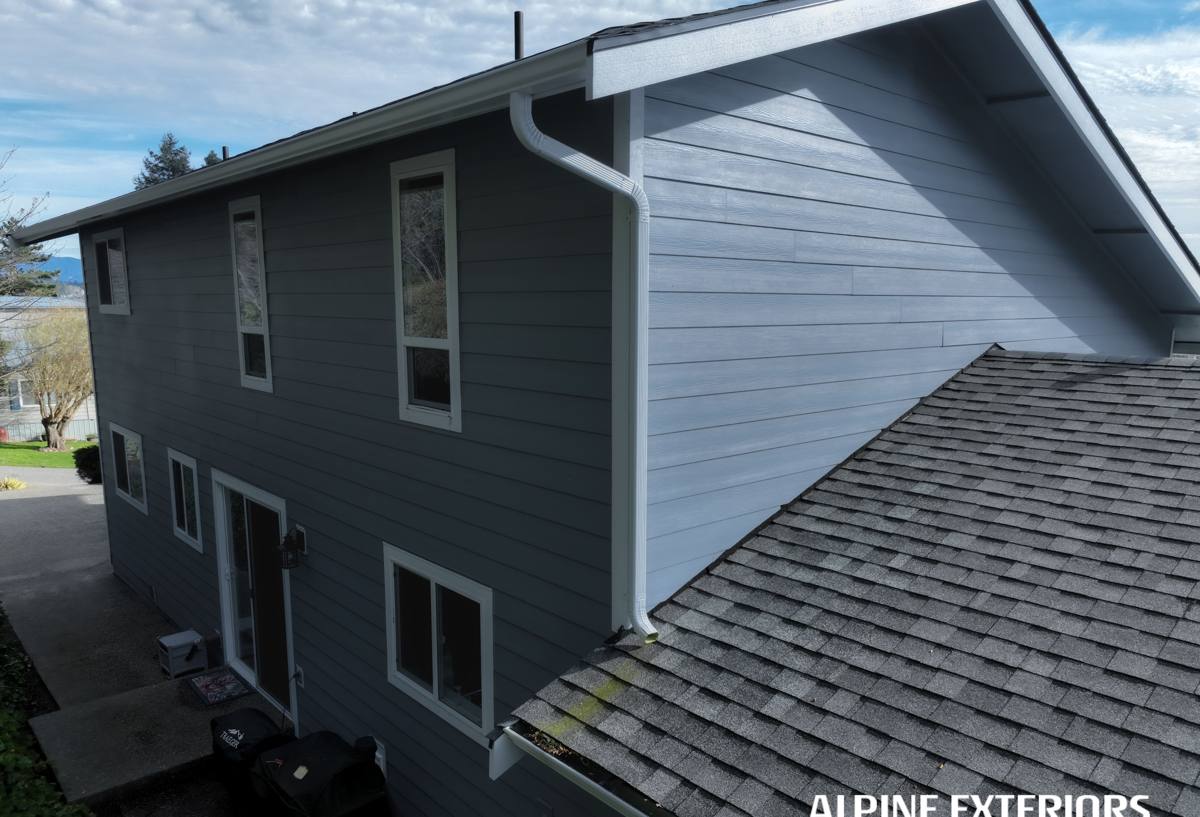
What Salt Air, Driving Rain, and Moss Season Actually Do to a Roof
Every roofing material fails differently depending on what it's fighting. Around California Creek, an asphalt shingle roof is dealing with three things at once, and they compound each other.
Moss and Organic Growth
Whatcom County's mild, wet winters and shaded lots are close to ideal conditions for moss. Once moss establishes itself on a shingle roof, it holds moisture against the shingle surface far longer than open air ever would, and its root structure works into the granule layer and shingle mat over time. A roof that looks fine from the ground can already have moss working under the tab edges. North-facing slopes and sections under tree cover are the most exposed, and those are common layouts on lots near the creek.
Wind-Driven, Sustained Rain
This isn't an area that gets brief, hard downpours and then clears up. Rain here tends to settle in for days, often pushed sideways by wind off the water. That kind of exposure finds every weak point in flashing, underlayment laps, and nail patterns that a quick summer shower never would. A roof that's "good enough" in a drier climate can leak here within a season or two if it wasn't detailed for sustained wind-driven moisture.
Salt Air and Metal Corrosion
Proximity to the water means airborne salt settles on exposed metal — roofing nails, flashing, vent stacks, drip edge — faster than it would further inland. Corroded fasteners and flashing are one of the more common root causes we find on older roofs in this area, even when the shingles themselves still have some life left. It's a slower failure mode, which is exactly why it gets missed.
What a Correctly Built Asphalt Shingle Roof Needs Here
A roof that's going to hold up around California Creek needs a few specific things that matter more here than they would in a milder climate.
Underlayment
Standard felt underlayment is a minimum, not a target, in an area with this much sustained rain. A synthetic underlayment with strong lap adhesion, or a self-adhered membrane at eaves and valleys, gives the roof a real second line of defense if wind-driven water gets under a shingle tab — which it eventually will, on any roof, during a bad storm.
Ventilation and Moisture Management
A roof deck that stays damp underneath is a roof deck that rots and feeds moss growth from below as much as above. Balanced intake and exhaust ventilation keeps the attic space dry and the underside of the deck at a stable temperature, which matters as much for shingle lifespan as anything happening on the surface.
Flashing and Fastener Material
Given the salt exposure, corrosion-resistant flashing and fasteners aren't a luxury upgrade — they're the difference between flashing that lasts the life of the roof and flashing that needs attention again in ten years. This is one of the areas where cutting corners on materials shows up early, not late.
Shingle Wind and Impact Rating
Whatcom County sees real wind events, particularly in the fall and winter. Shingles with a solid wind rating and proper nailing pattern (not just proper nail count, but correct placement within the nailing zone) are what actually keep tabs sealed down through a windstorm, rather than just meeting a manufacturer minimum on paper.
Comparing Asphalt Shingle Options for This Climate
Not every asphalt shingle product is built the same way, and the right choice depends on your roof's exposure, budget, and how long you plan to stay in the home. Here's an honest breakdown of the main categories we see requested most often.
| Shingle Type | Typical Lifespan | Best Fit For | Trade-Offs |
|---|---|---|---|
| 3-Tab Asphalt | 15–20 years | Budget-conscious replacements, rental or resale-focused properties | Lower wind rating, less algae resistance, thinner profile shows deck imperfections |
| Architectural (Laminate) Asphalt | 25–30 years | Most owner-occupied homes in this area | Higher upfront cost than 3-tab, but better wind performance and appearance |
| Algae-Resistant Architectural | 25–30 years | Shaded lots, north-facing slopes, homes near tree cover | Slight cost premium; doesn't eliminate moss, but slows the algae staining that often comes with it |
| Impact-Resistant (Class 4) | 30+ years, often with insurance discount eligibility | Homeowners prioritizing long-term durability over lowest upfront cost | Highest material cost of the group; check with your insurer on actual premium impact |
For most California Creek homes, an architectural shingle with algae resistance is the practical middle ground — it handles the moss pressure better than a standard product without pushing the budget into impact-rated territory unless there's a specific reason to go there.
How Our Process Works
We keep the process straightforward because a roof replacement shouldn't feel like a mystery to the homeowner.
- On-site inspection. We look at the deck, existing flashing, ventilation setup, and any signs of moss or moisture damage before quoting anything.
- Honest scope. If the deck needs repair, or ventilation needs correcting, we tell you before the work starts, not after tear-off when you have no options.
- Tear-off and deck check. Old material comes off and the deck gets inspected directly — this is the only reliable way to catch hidden rot or soft spots.
- Underlayment and flashing first. This is where most long-term roof problems in this climate actually start, so it gets the same attention as the shingles themselves.
- Shingle installation. Correct nailing pattern, proper exposure, and attention to valleys, penetrations, and edges — the details that determine whether a roof performs in a real windstorm.
- Final walkthrough. We go over the finished roof with you before we consider the job done.
Roof Replacement vs. Repair — When Each Makes Sense
Not every roof around California Creek needs full replacement, and we won't tell you it does. Isolated leaks around a single penetration, a section of storm-damaged shingles, or moss buildup caught early can often be addressed with targeted repair. Full replacement makes more sense when the shingle mat itself has become brittle, when moss and moisture damage have spread across multiple slopes, when the deck shows soft spots in more than one area, or when the roof is already past its expected lifespan and repairs would just be delaying the inevitable at diminishing returns. A straightforward inspection is usually enough to tell which situation you're actually in.
Maintenance That Actually Matters Here
A well-installed roof still needs some upkeep in this climate, particularly around moss and debris. This is the short list we'd give any homeowner in the area:
- Clear gutters and valleys of needles and debris at least twice a year — clogged valleys are one of the most common causes of interior leaks we see
- Have moss physically removed (not just chemically treated) before it spreads across a full slope
- Check attic ventilation isn't blocked by insulation or storage — poor airflow accelerates deck moisture problems
- Look at exposed flashing and vent boots every year or two for early signs of corrosion or cracking
- After any significant windstorm, do a visual check from the ground for lifted or missing tabs
- Trim back tree limbs that keep sections of the roof in constant shade — less sun means more moss
Why Hiring a Crew That Already Works California Creek Matters
A roofing crew that works this specific area regularly isn't guessing about how the climate here behaves — they've already seen which slopes hold moss, where wind-driven rain tends to find its way in, and how fast salt air works on exposed metal in this particular stretch of Whatcom County. That's not something you get from a crew that mostly works drier, inland jobs and treats every roof the same way. It shows up in the details: where extra underlayment gets used without being asked, which fasteners get specified without an upcharge conversation, and how ventilation gets checked as a matter of course rather than an afterthought.
It also matters for accountability. A crew based in the area is still around next season if something needs a second look, and has a reputation in the community worth protecting.
Get a Straightforward Estimate
If you're dealing with an aging roof, visible moss, or just want an honest read on where your current roof stands, we're happy to take a look. There's no pressure and no obligation — just a clear assessment from a crew that knows what asphalt shingle roofs around California Creek actually need to hold up. Fill out the form below to schedule a free estimate.