 Custer
 Why Blaine Homes Need a Different Approach to Metal Roofing
Blaine sits right where the Salish Sea meets the northern edge of Whatcom County, and that location shapes everything about how a roof ages here. You've got salt-laden marine air moving in off the water, long stretches of driving rain that comes in sideways as much as it comes straight down, and a moss season that can run most of the year in shaded, north-facing sections of a roof. A metal roof that's installed correctly can handle all of that for decades. One that's installed with shortcuts — the wrong fastener, a skipped underlayment step, flashing that wasn't detailed for wind-driven rain — will show problems years before it should, usually in the form of streaking, fastener corrosion, or leaks at the penetrations.
We work on homes throughout Whatcom County, and Blaine's exposure to open water and prevailing coastal weather puts it in its own category. This page is about what that means in practice, not just marketing language about "durability."
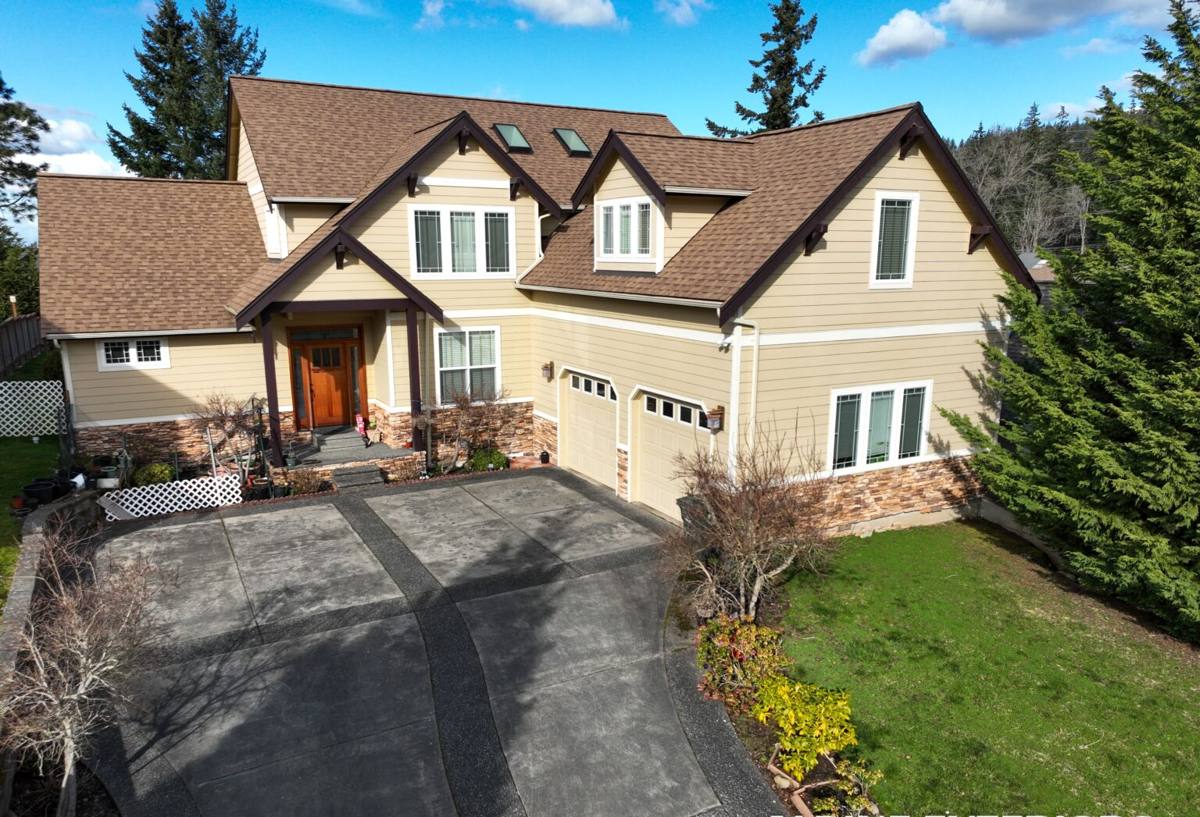
What Salt Air and Coastal Exposure Actually Do to a Roof
Salt air isn't just a nuisance for cars and outdoor furniture — it's chemically corrosive to unprotected or poorly finished metal. Airborne salt accelerates oxidation, and once it works into a fastener head, a cut edge, or a scratch in a panel's coating, corrosion can start well before the rest of the roof shows its age. This is why the finish system and fastener spec matter more in Blaine than they would twenty miles inland.
Three exposure factors that shape material choice here
- Salt-laden air: favors coated steel or aluminum systems with a proven marine-grade finish over bare or lightly coated metal.
- Wind-driven rain: puts more stress on seams, laps, and flashing details than vertical rainfall does — water gets pushed uphill and sideways under poorly sealed edges.
- Persistent moss and moisture in shaded areas: keeps roof surfaces damp longer, which matters for underlayment choice and ventilation, even on a metal roof that won't rot the way wood shakes do.
Metal Roofing Systems: What Fits a Blaine Home
Not every metal roofing product is built the same way, and the differences matter more in a coastal, high-moisture climate than they would in a dry inland region. Here's how the common options compare for a home in this area.
| System | How it's fastened | Coastal performance | Best fit |
|---|---|---|---|
| Standing seam | Hidden clips, no exposed fasteners on the field | Best resistance to wind-driven rain and salt corrosion at fastener points | Full re-roofs, homes with direct water exposure or higher wind loading |
| Exposed-fastener panel | Screws driven through the panel face with rubber washers | Adequate if fasteners are correctly specified and gaskets are inspected regularly; washers are the weak point over time | Outbuildings, budget-conscious re-roofs, lower-exposure roof planes |
| Metal shingles/shakes | Interlocking panels, concealed fasteners | Good weather resistance with the visual profile of traditional shingles | Homes wanting a metal roof's durability without the standing-seam look |
For homes with direct exposure to open water or prevailing wind, we generally steer clients toward standing seam because it has no exposed fastener heads for salt air to attack and its raised seams shed wind-driven rain rather than letting it pool at a screw head. That's a professional judgment based on how each system behaves over 20-30 years in this climate, not a claim that exposed-fastener panels are a bad product — they're simply more maintenance-sensitive in a coastal setting.
What a Correct Metal Roof Installation Actually Involves
Metal roofing looks simple from the ground, which is part of why it's so easy to install poorly and not notice for a few years. A correct installation in this climate involves several layers working together, not just the visible panels.
The layers that matter most here
- Deck condition: the roof deck has to be sound and dry before anything goes down; trapped moisture under a metal roof doesn't evaporate the way it might under other materials.
- Underlayment: a synthetic or self-adhered underlayment rated for the fastening method and climate, giving a secondary water barrier if wind-driven rain ever gets past the panel laps.
- Fastener spec: corrosion-resistant fasteners matched to the panel metal — mixing incompatible metals accelerates galvanic corrosion, which is a real risk in salt air.
- Flashing details: valleys, chimneys, vent penetrations, and eaves are where most metal roof leaks actually originate — not the panel field.
- Ventilation: proper intake and exhaust airflow keeps moisture from condensing on the underside of the panels, which matters in a climate with this much ambient humidity.
Skipping or rushing any one of these doesn't usually cause an immediate failure — it causes a slow one. That's the pattern we see most often on re-roof inspections: a roof that looked fine for five or six years and then started leaking at a valley or penetration that was never properly detailed.
How Our Process Works
1. On-site assessment
We start by walking the roof and the attic space where accessible, checking deck condition, existing ventilation, and any areas already showing moss growth, staining, or moisture intrusion. We also look at exposure — which roof planes face the prevailing wind and rain, since that affects both material recommendation and flashing priorities.
2. Honest scope and material discussion
We walk through the system options that make sense for the home's exposure and budget, and we explain the trade-offs in plain terms — not just what looks good, but how each option holds up specifically in Blaine's conditions over the long run.
3. Tear-off and deck prep (when needed)
If we're replacing an existing roof, we remove old material down to the deck, check for damage or rot from prior moisture intrusion, and repair or replace decking before anything new goes on.
4. Underlayment and flashing installation
This is where most of the long-term water resistance actually gets built in. We take extra care at valleys, penetrations, and eaves — the spots most vulnerable to wind-driven rain.
5. Panel installation
Panels go down with fasteners and spacing matched to the manufacturer's spec and the roof's exposure category, with attention to consistent seam alignment and proper overlap direction relative to prevailing wind.
6. Final inspection and walkthrough
We inspect every seam, fastener, and flashing point before calling the job finished, and we walk the homeowner through what maintenance (if any) the system needs going forward.
Maintenance in a Moss-Prone, Salt-Air Environment
One of the real advantages of a correctly installed metal roof is how little routine maintenance it needs compared to composition shingles or wood shakes — moss has a much harder time getting a foothold on a smooth metal surface, and there's no shingle granule loss to worry about. That said, "low maintenance" isn't "no maintenance," especially this close to the water.
- Rinse off accumulated debris and organic buildup in shaded valleys once or twice a year — moss spores can still take hold in trapped needles and leaf litter even on metal.
- Keep gutters and downspouts clear so water isn't backing up against eave flashing during heavy rain events.
- Have fastener heads and washers (on exposed-fastener systems) checked periodically, since these are the first point of wear in a salt-air environment.
- Watch for any staining or streaking at flashing points, which is often the earliest visible sign of a developing leak.
- Trim back overhanging branches that keep sections of the roof shaded and damp longer than the rest.
What Metal Roofing Costs and What Drives the Range
Metal roofing costs more upfront than asphalt shingles, but the honest comparison has to include lifespan, maintenance, and how each material actually performs in this specific climate. Rather than quote a number that won't mean much without seeing your roof, here's what actually moves the price up or down.
| Factor | Effect on cost |
|---|---|
| Panel system (exposed-fastener vs. standing seam) | Standing seam runs higher due to labor and hidden-clip hardware, but offers better coastal performance |
| Roof complexity (valleys, dormers, penetrations) | More cuts, flashing, and detail work drives labor time up |
| Existing deck condition | Rot or damage found during tear-off adds repair cost before installation can proceed |
| Panel material (steel vs. aluminum vs. other) | Material and finish grade affect both price and long-term corrosion resistance |
| Access and roof pitch | Steep or hard-to-access roofs require more safety setup and time |
We give firm, itemized numbers after seeing the roof in person — anything quoted sight unseen is a guess, and guesses in this climate tend to be wrong in the homeowner's favor until the invoice arrives.
Why Hiring a Crew That Already Works in Blaine Matters
Roofing crews without regular experience in this specific stretch of Whatcom County sometimes apply detailing and material choices that work fine in drier or less exposed areas but fall short here. Knowing which roof planes in this area typically take the worst of the wind and rain, how aggressively moss establishes itself in shaded northern exposures, and which fastener and flashing choices actually hold up against salt air isn't something you get from a general roofing background — it comes from doing the work here repeatedly and seeing how different approaches age over time. That local pattern recognition is often the difference between a roof that needs attention in year six and one that doesn't need attention for decades.
Get a Straight Answer on Your Roof
If you're planning a new metal roof or replacing an aging one on a Blaine-area home, we're glad to take a look and give you an honest read on what your roof actually needs — no pressure, no inflated scope. Fill out the form below to schedule a free estimate.